
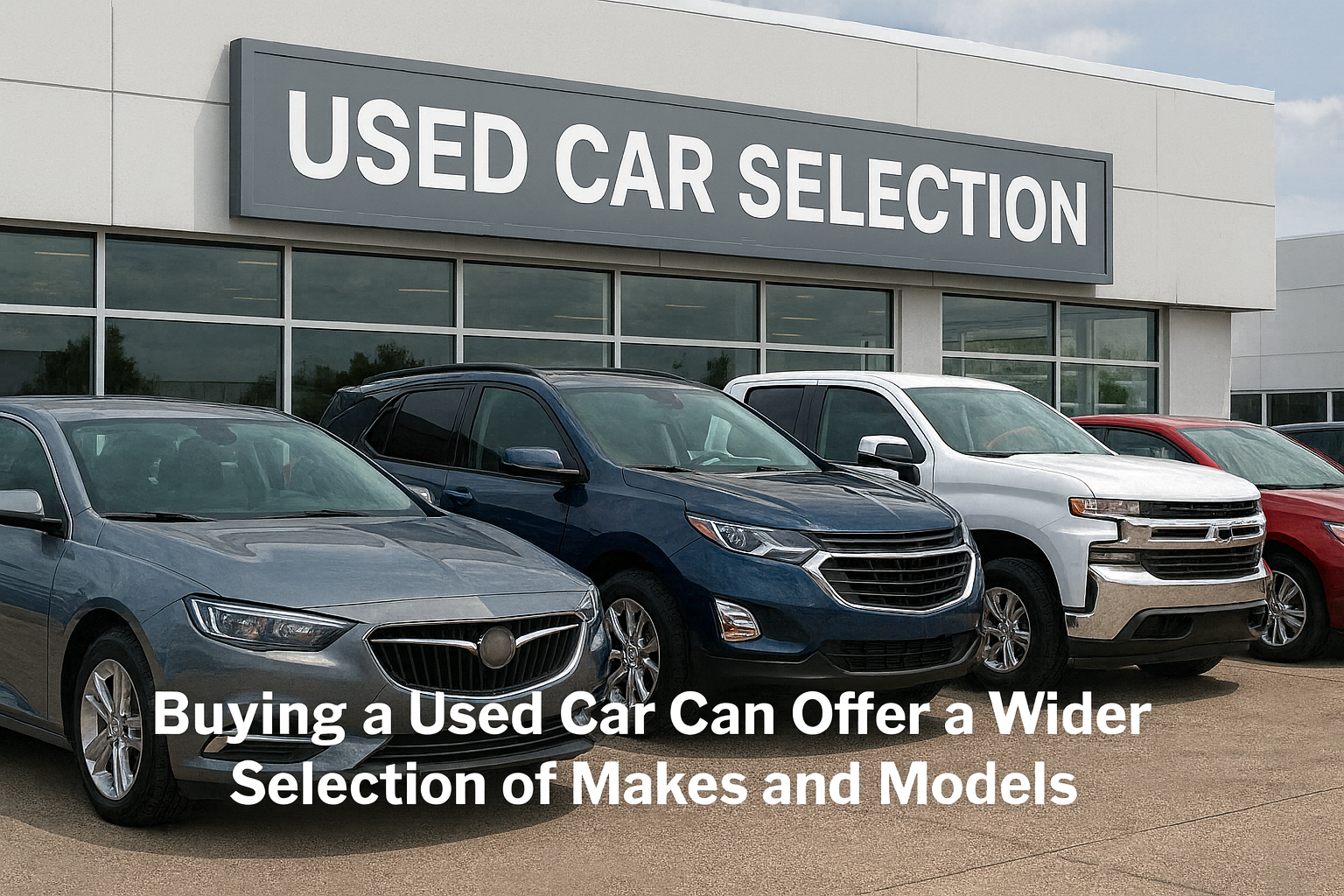
Why Buying a Used Car Can Offer a Wider Selection of Makes and Models
When it comes to purchasing a vehicle, buyers often face the dilemma of choosing between new and used cars. While new models come with the latest features and warranties, buying a used car can provide a wider selection of makes and models, making it a popular choice for many. In this blog post, we will explore the many advantages of buying a used vehicle and how it can help you find the perfect car that meets your needs.
Why Is Buying a Used Car a Smart Choice?
A used car delivers many perks that you won’t typically find with a brand-new vehicle. One of the primary advantages is the cost savings. Used cars are typically less expensive than their new counterparts, allowing buyers to save money while still getting a reliable vehicle.
Additionally, with the used car market offering a diverse selection of makes and models, buyers have the freedom to choose from various options. This wider selection can include everything from popular models to discontinued vehicles that may no longer be available as new options.
- Cost savings compared to new cars
- Diverse selection of different makes and models
- Less depreciation within the first year
How Does the Used Car Market Offer a Wider Selection?
The used car market is vast and varied. Unlike the limited inventory of new cars from specific manufacturers, the used car market provides a broader range of options. Buyers can explore different makes, from luxury brands to economical choices, giving them the opportunity to find precisely what they want.
This wider selection allows buyers to consider various features and designs, catering to their specific needs and preferences. Whether you prefer an SUV, sedan, or hatchback, the used vehicle market has something for everyone.
What Are the Pros and Cons of Buying a Used Car?
When weighing the decision to buy a used car, it’s essential to consider both the pros and cons. The advantages include lower purchase prices, reduced insurance costs, and a wider selection of vehicles. However, some potential drawbacks may include less warranty coverage and the possibility of hidden defects.
Understanding these pros and cons can help you make an informed decision and ultimately lead you to the right choice for your situation.
- Pros:
- Lower overall cost
- Wider selection of makes and models
- Lower insurance rates
- Less depreciation
- Access to discontinued models
- Cons:
- Potential for hidden issues
- Limited or no warranty
- Higher maintenance costs
Why Is Choosing a Used Car a Smart Financial Decision?
Choosing a used car is often a smart financial decision for many buyers. Not only do used cars have a lower price tag, but they also usually come with lower insurance costs. As a buyer, you can save substantially when purchasing a pre-owned vehicle, especially considering that cars depreciate quickly during the first few years.
By opting for a used vehicle, you can also afford a higher-end model that may have been outside your budget if purchased new. This financial flexibility allows you to enjoy the benefits of premium features without the associated costs.
What Should You Look for When Shopping for a Used Car?
When shopping for a used car, it’s vital to know what to look for to ensure you are making a wise purchase. Start by researching the vehicle’s history, including maintenance records and accident history. A reliable used car is one that has been well-maintained and cared for.
It’s also important to consider factors such as mileage, condition, and model year. These elements will determine the car’s overall value and longevity, helping you choose a vehicle that meets your needs.
- Check the vehicle history report
- Look for maintenance records
- Consider mileage and wear and tear
How Can You Find the Perfect Used Car?
Choosing the perfect pre-owned car doesn’t have to be stressful.Start by identifying your needs, such as budget, size, and features. Once you have a clear idea, you can begin your search online or visit local used car dealerships.
It’s also beneficial to test drive multiple options to see which vehicle feels right for you. Don’t hesitate to ask questions and seek advice from trusted friends or family who may have experience with buying used cars.
What Are the Common Misconceptions About Used Cars?
Many misconceptions surround buying used cars, leading potential buyers to overlook excellent opportunities. A frequent misconception is that used cars can’t be trusted for reliability.However, with proper research and inspection, many used vehicles can provide years of dependable service.
Another misconception is that buying a used car means settling for less. In reality, the used car market offers a wide variety of high-quality vehicles, including luxury brands and discontinued models that may not be available new.
What Are Some Tips for First-Time Used Car Buyers?
If you’re a first-time used car buyer, consider these tips to make your experience smoother:
- Set a budget before you start shopping.
- Research the makes and models that interest you.
- Don’t rush; take your time to find the best deal.
- Get a mechanic to inspect the vehicle before purchase.
- Negotiate the price based on your research.
How Does Buying from a Used Car Dealership Benefit You?
Purchasing a vehicle from a used car dealership can provide added peace of mind. Reputable dealerships often offer warranties or guarantees on their vehicles, ensuring you have support should any issues arise post-purchase.
Dealers also typically provide a detailed history of the vehicle, giving you insight into its past and allowing you to make an informed decision. Additionally, buying from a dealership often gives buyers access to financing options that may not be available when purchasing privately.
What Are the Best Practices for Financing a Used Car?
When it comes to financing a used car, consider your options carefully. Start by checking your credit score, as this will influence the interest rates you receive. It’s also wise to shop around for financing offers from banks, credit unions, and dealership financing to find the best rates.
Be sure to factor in all costs, including insurance and maintenance, when creating your budget for monthly payments. This comprehensive approach will help you avoid financial strain in the long run.
What Are the Key Takeaways When Buying a Used Car?
- Buying a used car offers significant cost savings.
- The used car market provides a wider selection of makes and models.
- Understanding the pros and cons is crucial for informed decision-making.
- Choosing a reliable used vehicle requires research and inspection.
- Purchasing from a reputable used car dealership can provide additional peace of mind.
In conclusion, buying a used car can open the door to a wider selection of makes and models, providing buyers with the opportunity to discover the benefits of buying pre-owned vehicles. At Elmwood Auto Sales, a trusted used car dealer in Providence, RI, you can find the perfect used car that meets your needs and budget. Explore our wide inventory today and experience the advantages of buying a used vehicle for yourself!
What to Expect When Buying a Used Car from a Dealership
Buying a pre-owned vehicle can be both thrilling and challenging. Understanding what to expect when shopping at a used car dealership is crucial for making informed decisions. This blog post will guide you through the entire process, from selecting the right vehicle to negotiating the best deal. Whether you’re a seasoned car buyer or a first-time shopper, having the right information can enhance your shopping experience and help you find the perfect pre-owned vehicle.

What Types of Used Cars Are Available at Dealerships?
When you visit a used car dealership, you’ll find a wide variety of used vehicles, including sedans, SUVs, trucks, and even certified pre-owned options. Car dealerships often stock various makes and models, so you’re likely to find the type of car that suits your needs. The advantage of buying from a dealership is that they typically offer a selection of vehicles that have been inspected and may come with warranties.
Here are some types of used cars you might encounter:
- Sedans: Ideal for everyday commuting.
- SUVs: Great for families and outdoor enthusiasts.
- Trucks: Perfect for heavy-duty tasks and towing.
- Certified Pre-Owned: Offers added benefits like extended warranties and thorough inspections.
How Do I Get a Vehicle History Report?
Before making a purchase, it’s essential to understand the vehicle’s history. A vehicle history report provides crucial information about the car’s past, including accidents, service records, and ownership changes. Most reputable used car dealerships will provide this report for free, allowing you to make an informed decision.
You can also request a vehicle history report from reputable services like Carfax or AutoCheck. Simply provide the vehicle identification number (VIN) to access detailed records about the car you’re considering.
What Should I Expect During a Test Drive?
Taking a test drive is a crucial step in the car-buying journey. During this experience, you should evaluate the vehicle’s performance, comfort, and features. Pay attention to how the car handles, the responsiveness of the brakes, and any unusual noises. A thorough test drive can help you determine if the vehicle is the right fit for you.
Here are a few pointers to help you make the most of your test drive:
- Drive on different types of roads, including highways and local streets.
- Test features like air conditioning, audio systems, and navigation.
- Check the visibility and comfort of the seats.
What Are the Financing Options Available?
Understanding your financing options is crucial when buying a used car. Many dealerships offer financing packages that can make purchasing a vehicle more manageable. You can opt for dealer financing, where the dealership works with lenders to provide you with a car loan, or secure your financing through a bank or credit union.
It’s wise to compare offers from multiple lenders to ensure you get the best deal. Consider factors like the monthly payment, interest rates, and loan terms before making a decision.
What to Look for in a Warranty?
Warranties are an essential aspect of buying a used car from a dealership. They provide peace of mind by covering certain repairs and maintenance costs. Dealerships may offer a variety of warranty options, including limited warranties and extended warranties.
Here are a few key things to remember:
- Understand what the warranty covers and for how long.
- Check if the warranty is transferable if you decide to sell the car.
- Inquire about the process for filing claims and getting repairs done.
How to Negotiate the Best Price?
Negotiating the price is often a significant part of the car-buying process. Research the price of the car you want using resources like Kelley Blue Book to understand its market value. This knowledge will put you in a better position to negotiate effectively with the dealer.
When negotiating, consider the following:
- Start with a lower offer than what you are willing to pay.
- Be prepared to walk away if the deal doesn’t meet your expectations.
- Discuss any additional fees or costs upfront to avoid surprises.
What Is the Importance of a Pre-Purchase Inspection?
A pre-purchase inspection is a crucial step when buying a used vehicle. This inspection allows a qualified mechanic to assess the car’s condition, identifying any potential issues that may not be visible during a test drive. Investing in an inspection can save you money and headaches in the long run.
Here’s why a pre-purchase inspection is important:
- It helps reveal hidden issues that might result in expensive repairs later.
- It provides you with leverage in negotiations if repairs are needed.
- It gives you peace of mind about the car’s reliability.
How Do Trade-Ins Work at Used Car Dealerships?
Many used car dealerships offer trade-in options, allowing you to sell your old car as part of your new purchase. This process can simplify your car-buying experience and reduce the overall price. To ensure you get a fair value for your trade-in, research the current market value of your vehicle before visiting the dealership.
Here’s how the trade-in process typically works:
- Get an appraisal from the dealership.
- Review offers from other dealerships or private sellers to compare.
- Negotiate the trade-in value alongside your new purchase.
What Are the Benefits of Buying from a Used Car Dealership?
Purchasing a used car from a dealership comes with several advantages. Dealerships often provide warranties, certified pre-owned options, and financing assistance that private sellers may not offer. Additionally, buying from a dealer ensures that the vehicle has undergone inspections and is more likely to be in good condition.
Benefits include:
- Access to financing options and assistance with auto loans.
- Peace of mind with warranties and return policies.
- A wide selection of vehicles to choose from.
How Can I Ensure a Smooth Shopping Experience?
Preparing for your visit to a used car dealership can significantly enhance your shopping experience. Consider creating a checklist of the vehicles you’re interested in, along with their key features and price ranges. Arrive at the dealership with a clear idea of your budget and the kind of car you want.
Tips for a smooth experience include:
- Dress comfortably and be ready to spend some time at the dealership.
- Bring necessary documents, such as your driver’s license and proof of insurance.
- Keep an open mind and be willing to test drive multiple vehicles.
Points to Remember While Shopping for a Used Car from a Dealership
When shopping for a used car at a dealership, there are several key points to keep in mind. First, set a budget before you start looking. Determine how much you can afford, including the costs of insurance, registration, and maintenance. Next, research the specific make and model you are interested in, paying attention to reliability ratings and common issues.
Inspect the vehicle thoroughly for any signs of damage or wear. Look for service records to ensure it has been properly maintained. Don’t hesitate to ask the dealer about the car’s history report, which can reveal important information about past accidents or title issues.
Take the car for a test drive to assess its performance, handling, and comfort. Listen for unusual noises and pay attention to how it feels on the road. Additionally, consider getting a mechanic’s inspection to identify any hidden problems.
Finally, negotiate the price. Dealers often expect some haggling, so don’t be afraid to make an offer below the asking price. By keeping these points in mind, you can make a more informed decision when purchasing a used car.
Conclusion:
Shopping at a used car dealership can be a rewarding experience if you know what to expect. From the types of vehicles available to financing options and warranties, being well-informed can help you navigate the car-buying process effectively. If you’re in Providence, RI, consider visiting Elmwood Auto Sales, a trusted used car dealership. They offer a wide selection of used cars for sale, financing options, and exceptional customer service to help you find the perfect vehicle.
Frequently Asked Questions
1. What should I bring when visiting a used car dealership?
It’s advisable to bring your driver’s license, proof of insurance, a list of questions, and a budget plan. Consider bringing a trade-in vehicle’s title and any necessary paperwork as well.
2. How can I ensure I’m getting a good deal?
Research the market value of the vehicle you’re interested in using online resources. Compare prices at different dealerships and be prepared to negotiate based on your findings.
3. What kind of financing options are available?
Most used car dealerships offer financing through banks or credit unions. You can also inquire about in-house financing options. It’s wise to check your credit score beforehand and explore pre-approval options.
4. Am I allowed to take the car out for a test drive?
Yes, it’s always a good idea to request a test drive to evaluate the car’s performance. Pay attention to how it handles, check for any unusual noises, and ensure all features function properly.
5. Are there warranties available for used cars?
Many dealerships offer limited warranties on used cars, and you can also purchase extended warranties. Always ask about the coverage details and any additional costs that may be involved.
6. What should I do if I find a problem after purchasing the car? Contact the dealership immediately to discuss the issue. If the problem is covered under warranty, they should assist you. If not, you may need to consider repair options based on your agreement.