Buying a Used Car: Pros and Cons of Dealers and Private Sellers
Buying a used car is an important decision that deserves thoughtful planning—especially when deciding between a dealership and a private seller. Knowing the advantages and drawbacks of each option will help you choose wisely based on your preferences and budget.
What Are the Major Differences Between a Dealer and a Private Seller?
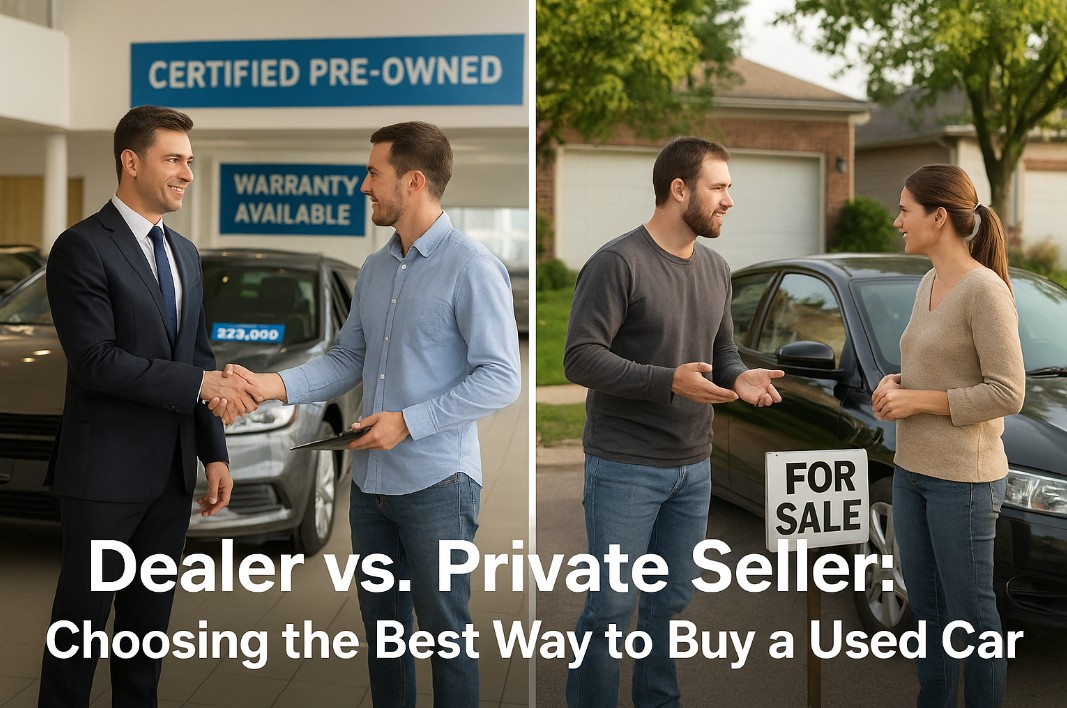
When deciding whether to buy a used car from a dealer or a private seller, it’s essential to know the primary differences. Dealers typically offer certified pre-owned vehicles, which come with warranties and assurance of quality. On the other hand, private sellers may provide lower prices but often lack the same level of assurance regarding the vehicle’s condition.
- Dealers may offer financing options, while private sellers usually require full payment up front.
- Dealerships often have a broader inventory, allowing you to compare various models in one place.
- Private sales can sometimes lead to better negotiation possibilities on the asking price.
What Are the Pros and Cons of Buying from a Dealer?
Buying from a dealer has its advantages and disadvantages. The primary benefit is the peace of mind that comes with purchasing a certified vehicle, often backed by a warranty. However, the price at a dealership can be higher compared to a private sale.
- Pros:
- Warranty coverage on many used cars.
- Reliable vehicle history reports.
- Financing options are available.
- Cons:
- Higher prices due to overhead costs.
- Potential pressure from salespeople.
- Less room for negotiation on pricing.
What Are the Advantages of Buying from a Private Seller?
Purchasing a car from a private seller can be appealing due to the potential for lower prices and direct negotiation. However, it’s crucial to conduct thorough research and inspections to ensure you’re making a sound investment.
- Lower prices compared to dealerships.
- Direct communication with the seller for negotiation.
- The possibility of purchasing a well-maintained vehicle from an individual who has taken good care of it.
How to Inspect a Used Car Before Buying?
Whether you’re buying from a dealer or a private seller, inspecting the car is vital. Here are some key steps to ensure the vehicle is in good condition:
- Check the exterior for dents, scratches, and rust.
- Inspect the tires for wear and tear.
- Test the brakes and listen for any unusual noises during a test drive.
- Look under the hood for any leaks or signs of poor maintenance.
- Request a vehicle history report for any accidents or title issues.
What Should You Ask the Seller?
Asking the right questions can help you gather crucial information about the used car. Here are some essential questions to consider:
- What is the vehicle’s maintenance history?
- Why are you selling the car?
- Has the car ever been in an accident?
- Are there any existing warranties, and are they transferable?
- Can I take the car for an independent inspection?
How to Negotiate the Price Effectively?
Negotiating the price is an integral part of the car-buying process. Here are some tips to help you get the best deal:
- Do your research on the fair market value of the car.
- Start with a lower offer and gradually increase your bid.
- Be prepared to walk away if the price doesn’t meet your budget.
- Highlight any issues you found during your inspection to leverage your negotiation.
What Financing Options Are Available?
Understanding your financing options is crucial for managing your budget when purchasing a used car. Dealers often provide financing through banks or credit unions, while private sellers typically expect cash payments. Consider the following:
- Dealers may offer special financing deals or incentives.
- Check your credit score to understand your financing options.
- Consider getting pre-approved for a car loan to streamline the process.
What About Warranties for Used Cars?
Warranties can significantly impact your purchase decision. Here’s what to keep in mind:
- Dealers often provide warranties or certified pre-owned options that cover specific repairs.
- Private sellers usually sell the car “as-is,” meaning you won’t have warranty coverage.
- Research third-party warranty options if buying from a private seller.
How to Determine the Fair Market Value of a Used Car?
Determining the fair market value is crucial for making an informed purchase. Use these strategies:
- Check online resources like Kelley Blue Book or Edmunds for vehicle pricing.
- Compare prices of similar vehicles in your area.
- Take into account the car’s condition, mileage, and any additional features.
Should You Buy from a Dealer or a Private Seller for Your Next Car?
Ultimately, the decision to buy from a dealer or a private seller depends on your preferences, budget, and comfort level. Weighing the pros and cons of each option can guide you to make the best choice for your needs.
- Dealers offer peace of mind with warranties and financing options.
- Private sellers can provide lower prices but require more diligence in inspection and research.
- Consider your priorities: do you value warranty and assurance, or are you looking for the best price?
Frequently Asked Questions
What should I consider when deciding between buying from a dealer or a private seller?
When considering whether to buy a car from a dealer or a private seller, it’s essential to weigh the pros and cons of each option. Dealers often provide warranties, certified pre-owned vehicles, and financing options, which can offer peace of mind. However, private sellers usually sell their cars at lower prices and may be more flexible with negotiation. Be sure to inspect the car thoroughly and ask for its history, regardless of where you buy it.
Are there advantages to purchasing a used car from a dealership?
Yes, purchasing a used car from a dealership has several advantages. Dealerships often offer certified pre-owned vehicles that come with warranties and have undergone inspections. Additionally, buying from a dealership may provide you with financing options and the ability to trade in your old vehicle. This can simplify the car-buying process, making it more convenient than dealing with private parties.
What are the risks of buying a used car from a private seller?
Buying a used car from a private seller can come with risks, as private sellers may not offer warranties or guarantees. There is a chance that the vehicle may have hidden issues or a problematic history that isn’t disclosed. It’s crucial to inspect the car thoroughly, ask for maintenance records, and possibly get a vehicle history report to mitigate risks associated with private sales.
How can I negotiate the price effectively when buying a used car?
To negotiate the price effectively, research the market value of the car you want to buy. Use online tools to check used car prices from dealerships and private sellers. When negotiating, start with a lower offer based on your research and be prepared to justify your price. Don’t hesitate to walk away if the asking price exceeds your budget, as this can often prompt the seller to lower their price.
What should I do if the car from a private seller doesn’t meet my expectations?
If the car from a private seller doesn’t meet your expectations after purchase, your options may be limited compared to buying from a dealership. Private sales are typically sold “as-is,” meaning you won’t have recourse for repairs or issues discovered post-sale. It’s essential to conduct a thorough inspection and test drive the car before finalizing the purchase to avoid dissatisfaction later.
How important is it to inspect a used vehicle before buying?
Inspecting a used vehicle before buying is crucial. Whether you’re purchasing from a dealer or a private seller, a thorough inspection can help identify potential issues and give you an idea of the car’s condition. Look for signs of wear, check the vehicle history report, and consider having a mechanic inspect the car to ensure you’re making a sound investment.
Conclusion: Key Takeaways for Buying a Used Car
- Understand the differences between buying from a dealer and a private seller.
- Inspect the car thoroughly and ask essential questions of the seller.
- Negotiate effectively to get the best price.
- Research financing options and warranty coverage available.
- Determine the fair market value to ensure a fair deal.
When you’re ready to purchase your next car, consider visiting Elmwood Auto Sales, a trusted used car dealership in Providence, RI. With a wide selection of certified vehicles, you can find the perfect car while enjoying the benefits of buying from a dealer, including warranty options and financing assistance.