Buying a Used Car: Pros and Cons of Dealers and Private Sellers
Buying a used car is an important decision that deserves thoughtful planning—especially when deciding between a dealership and a private seller. Knowing the advantages and drawbacks of each option will help you choose wisely based on your preferences and budget.
What Are the Major Differences Between a Dealer and a Private Seller?
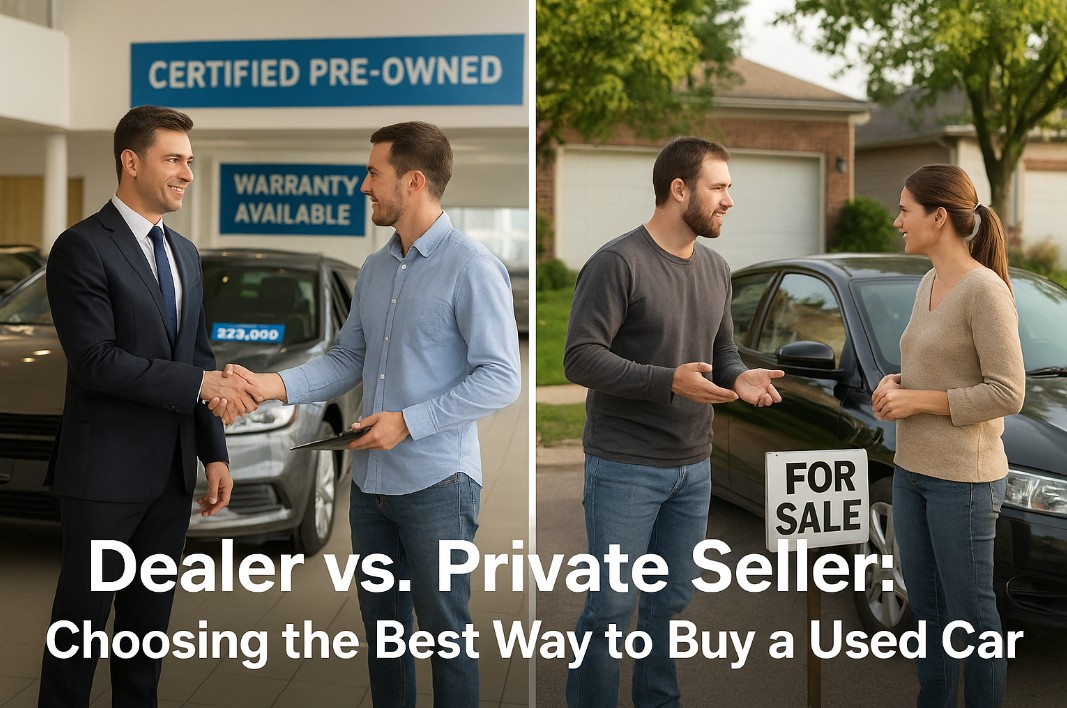
When deciding whether to buy a used car from a dealer or a private seller, it’s essential to know the primary differences. Dealers typically offer certified pre-owned vehicles, which come with warranties and assurance of quality. On the other hand, private sellers may provide lower prices but often lack the same level of assurance regarding the vehicle’s condition.
- Dealers may offer financing options, while private sellers usually require full payment up front.
- Dealerships often have a broader inventory, allowing you to compare various models in one place.
- Private sales can sometimes lead to better negotiation possibilities on the asking price.
What Are the Pros and Cons of Buying from a Dealer?
Buying from a dealer has its advantages and disadvantages. The primary benefit is the peace of mind that comes with purchasing a certified vehicle, often backed by a warranty. However, the price at a dealership can be higher compared to a private sale.
- Pros:
- Warranty coverage on many used cars.
- Reliable vehicle history reports.
- Financing options are available.
- Cons:
- Higher prices due to overhead costs.
- Potential pressure from salespeople.
- Less room for negotiation on pricing.
What Are the Advantages of Buying from a Private Seller?
Purchasing a car from a private seller can be appealing due to the potential for lower prices and direct negotiation. However, it’s crucial to conduct thorough research and inspections to ensure you’re making a sound investment.
- Lower prices compared to dealerships.
- Direct communication with the seller for negotiation.
- The possibility of purchasing a well-maintained vehicle from an individual who has taken good care of it.
How to Inspect a Used Car Before Buying?
Whether you’re buying from a dealer or a private seller, inspecting the car is vital. Here are some key steps to ensure the vehicle is in good condition:
- Check the exterior for dents, scratches, and rust.
- Inspect the tires for wear and tear.
- Test the brakes and listen for any unusual noises during a test drive.
- Look under the hood for any leaks or signs of poor maintenance.
- Request a vehicle history report for any accidents or title issues.
What Should You Ask the Seller?
Asking the right questions can help you gather crucial information about the used car. Here are some essential questions to consider:
- What is the vehicle’s maintenance history?
- Why are you selling the car?
- Has the car ever been in an accident?
- Are there any existing warranties, and are they transferable?
- Can I take the car for an independent inspection?
How to Negotiate the Price Effectively?
Negotiating the price is an integral part of the car-buying process. Here are some tips to help you get the best deal:
- Do your research on the fair market value of the car.
- Start with a lower offer and gradually increase your bid.
- Be prepared to walk away if the price doesn’t meet your budget.
- Highlight any issues you found during your inspection to leverage your negotiation.
What Financing Options Are Available?
Understanding your financing options is crucial for managing your budget when purchasing a used car. Dealers often provide financing through banks or credit unions, while private sellers typically expect cash payments. Consider the following:
- Dealers may offer special financing deals or incentives.
- Check your credit score to understand your financing options.
- Consider getting pre-approved for a car loan to streamline the process.
What About Warranties for Used Cars?
Warranties can significantly impact your purchase decision. Here’s what to keep in mind:
- Dealers often provide warranties or certified pre-owned options that cover specific repairs.
- Private sellers usually sell the car “as-is,” meaning you won’t have warranty coverage.
- Research third-party warranty options if buying from a private seller.
How to Determine the Fair Market Value of a Used Car?
Determining the fair market value is crucial for making an informed purchase. Use these strategies:
- Check online resources like Kelley Blue Book or Edmunds for vehicle pricing.
- Compare prices of similar vehicles in your area.
- Take into account the car’s condition, mileage, and any additional features.
Should You Buy from a Dealer or a Private Seller for Your Next Car?
Ultimately, the decision to buy from a dealer or a private seller depends on your preferences, budget, and comfort level. Weighing the pros and cons of each option can guide you to make the best choice for your needs.
- Dealers offer peace of mind with warranties and financing options.
- Private sellers can provide lower prices but require more diligence in inspection and research.
- Consider your priorities: do you value warranty and assurance, or are you looking for the best price?
Frequently Asked Questions
What should I consider when deciding between buying from a dealer or a private seller?
When considering whether to buy a car from a dealer or a private seller, it’s essential to weigh the pros and cons of each option. Dealers often provide warranties, certified pre-owned vehicles, and financing options, which can offer peace of mind. However, private sellers usually sell their cars at lower prices and may be more flexible with negotiation. Be sure to inspect the car thoroughly and ask for its history, regardless of where you buy it.
Are there advantages to purchasing a used car from a dealership?
Yes, purchasing a used car from a dealership has several advantages. Dealerships often offer certified pre-owned vehicles that come with warranties and have undergone inspections. Additionally, buying from a dealership may provide you with financing options and the ability to trade in your old vehicle. This can simplify the car-buying process, making it more convenient than dealing with private parties.
What are the risks of buying a used car from a private seller?
Buying a used car from a private seller can come with risks, as private sellers may not offer warranties or guarantees. There is a chance that the vehicle may have hidden issues or a problematic history that isn’t disclosed. It’s crucial to inspect the car thoroughly, ask for maintenance records, and possibly get a vehicle history report to mitigate risks associated with private sales.
How can I negotiate the price effectively when buying a used car?
To negotiate the price effectively, research the market value of the car you want to buy. Use online tools to check used car prices from dealerships and private sellers. When negotiating, start with a lower offer based on your research and be prepared to justify your price. Don’t hesitate to walk away if the asking price exceeds your budget, as this can often prompt the seller to lower their price.
What should I do if the car from a private seller doesn’t meet my expectations?
If the car from a private seller doesn’t meet your expectations after purchase, your options may be limited compared to buying from a dealership. Private sales are typically sold “as-is,” meaning you won’t have recourse for repairs or issues discovered post-sale. It’s essential to conduct a thorough inspection and test drive the car before finalizing the purchase to avoid dissatisfaction later.
How important is it to inspect a used vehicle before buying?
Inspecting a used vehicle before buying is crucial. Whether you’re purchasing from a dealer or a private seller, a thorough inspection can help identify potential issues and give you an idea of the car’s condition. Look for signs of wear, check the vehicle history report, and consider having a mechanic inspect the car to ensure you’re making a sound investment.
Conclusion: Key Takeaways for Buying a Used Car
- Understand the differences between buying from a dealer and a private seller.
- Inspect the car thoroughly and ask essential questions of the seller.
- Negotiate effectively to get the best price.
- Research financing options and warranty coverage available.
- Determine the fair market value to ensure a fair deal.
When you’re ready to purchase your next car, consider visiting Elmwood Auto Sales, a trusted used car dealership in Providence, RI. With a wide selection of certified vehicles, you can find the perfect car while enjoying the benefits of buying from a dealer, including warranty options and financing assistance.
What to Expect When Buying a Used Car from a Dealership
Buying a pre-owned vehicle can be both thrilling and challenging. Understanding what to expect when shopping at a used car dealership is crucial for making informed decisions. This blog post will guide you through the entire process, from selecting the right vehicle to negotiating the best deal. Whether you’re a seasoned car buyer or a first-time shopper, having the right information can enhance your shopping experience and help you find the perfect pre-owned vehicle.
What Types of Used Cars Are Available at Dealerships?
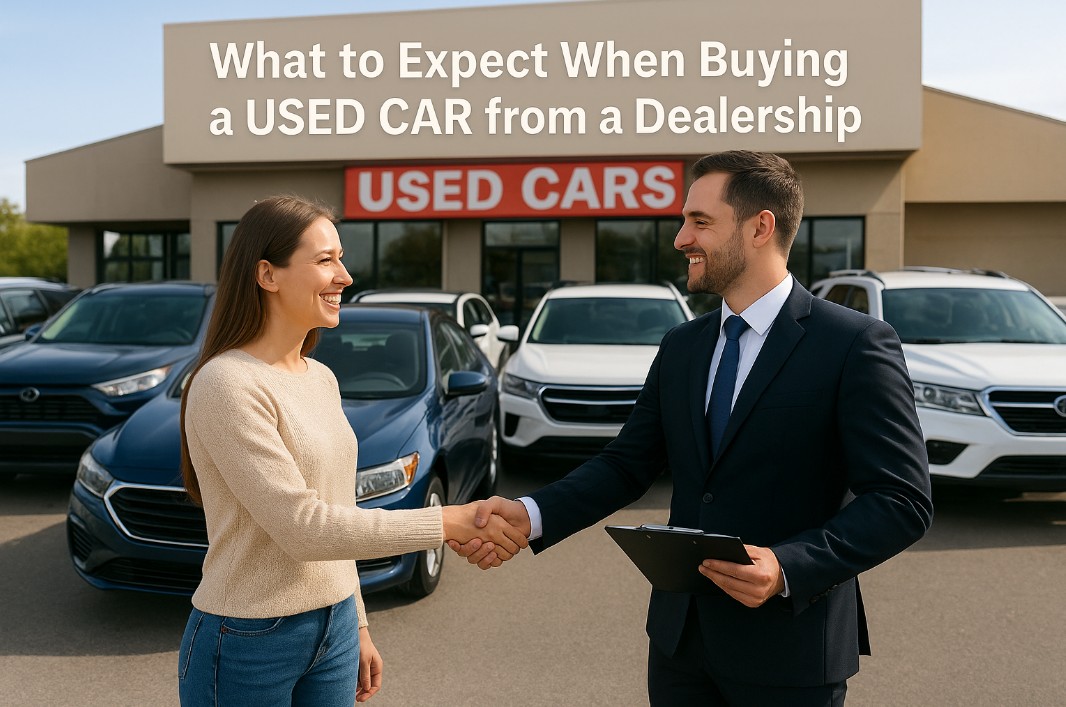
When you visit a used car dealership, you’ll find a wide variety of used vehicles, including sedans, SUVs, trucks, and even certified pre-owned options. Car dealerships often stock various makes and models, so you’re likely to find the type of car that suits your needs. The advantage of buying from a dealership is that they typically offer a selection of vehicles that have been inspected and may come with warranties.
Here are some types of used cars you might encounter:
- Sedans: Ideal for everyday commuting.
- SUVs: Great for families and outdoor enthusiasts.
- Trucks: Perfect for heavy-duty tasks and towing.
- Certified Pre-Owned: Offers added benefits like extended warranties and thorough inspections.
How Do I Get a Vehicle History Report?
Before making a purchase, it’s essential to understand the vehicle’s history. A vehicle history report provides crucial information about the car’s past, including accidents, service records, and ownership changes. Most reputable used car dealerships will provide this report for free, allowing you to make an informed decision.
You can also request a vehicle history report from reputable services like Carfax or AutoCheck. Simply provide the vehicle identification number (VIN) to access detailed records about the car you’re considering.
What Should I Expect During a Test Drive?
Taking a test drive is a crucial step in the car-buying journey. During this experience, you should evaluate the vehicle’s performance, comfort, and features. Pay attention to how the car handles, the responsiveness of the brakes, and any unusual noises. A thorough test drive can help you determine if the vehicle is the right fit for you.
Here are a few pointers to help you make the most of your test drive:
- Drive on different types of roads, including highways and local streets.
- Test features like air conditioning, audio systems, and navigation.
- Check the visibility and comfort of the seats.
What Are the Financing Options Available?
Understanding your financing options is crucial when buying a used car. Many dealerships offer financing packages that can make purchasing a vehicle more manageable. You can opt for dealer financing, where the dealership works with lenders to provide you with a car loan, or secure your financing through a bank or credit union.
It’s wise to compare offers from multiple lenders to ensure you get the best deal. Consider factors like the monthly payment, interest rates, and loan terms before making a decision.
What to Look for in a Warranty?
Warranties are an essential aspect of buying a used car from a dealership. They provide peace of mind by covering certain repairs and maintenance costs. Dealerships may offer a variety of warranty options, including limited warranties and extended warranties.
Here are a few key things to remember:
- Understand what the warranty covers and for how long.
- Check if the warranty is transferable if you decide to sell the car.
- Inquire about the process for filing claims and getting repairs done.
How to Negotiate the Best Price?
Negotiating the price is often a significant part of the car-buying process. Research the price of the car you want using resources like Kelley Blue Book to understand its market value. This knowledge will put you in a better position to negotiate effectively with the dealer.
When negotiating, consider the following:
- Start with a lower offer than what you are willing to pay.
- Be prepared to walk away if the deal doesn’t meet your expectations.
- Discuss any additional fees or costs upfront to avoid surprises.
What Is the Importance of a Pre-Purchase Inspection?
A pre-purchase inspection is a crucial step when buying a used vehicle. This inspection allows a qualified mechanic to assess the car’s condition, identifying any potential issues that may not be visible during a test drive. Investing in an inspection can save you money and headaches in the long run.
Here’s why a pre-purchase inspection is important:
- It helps reveal hidden issues that might result in expensive repairs later.
- It provides you with leverage in negotiations if repairs are needed.
- It gives you peace of mind about the car’s reliability.
How Do Trade-Ins Work at Used Car Dealerships?
Many used car dealerships offer trade-in options, allowing you to sell your old car as part of your new purchase. This process can simplify your car-buying experience and reduce the overall price. To ensure you get a fair value for your trade-in, research the current market value of your vehicle before visiting the dealership.
Here’s how the trade-in process typically works:
- Get an appraisal from the dealership.
- Review offers from other dealerships or private sellers to compare.
- Negotiate the trade-in value alongside your new purchase.
What Are the Benefits of Buying from a Used Car Dealership?
Purchasing a used car from a dealership comes with several advantages. Dealerships often provide warranties, certified pre-owned options, and financing assistance that private sellers may not offer. Additionally, buying from a dealer ensures that the vehicle has undergone inspections and is more likely to be in good condition.
Benefits include:
- Access to financing options and assistance with auto loans.
- Peace of mind with warranties and return policies.
- A wide selection of vehicles to choose from.
How Can I Ensure a Smooth Shopping Experience?
Preparing for your visit to a used car dealership can significantly enhance your shopping experience. Consider creating a checklist of the vehicles you’re interested in, along with their key features and price ranges. Arrive at the dealership with a clear idea of your budget and the kind of car you want.
Tips for a smooth experience include:
- Dress comfortably and be ready to spend some time at the dealership.
- Bring necessary documents, such as your driver’s license and proof of insurance.
- Keep an open mind and be willing to test drive multiple vehicles.
Points to Remember While Shopping for a Used Car from a Dealership
When shopping for a used car at a dealership, there are several key points to keep in mind. First, set a budget before you start looking. Determine how much you can afford, including the costs of insurance, registration, and maintenance. Next, research the specific make and model you are interested in, paying attention to reliability ratings and common issues.
Inspect the vehicle thoroughly for any signs of damage or wear. Look for service records to ensure it has been properly maintained. Don’t hesitate to ask the dealer about the car’s history report, which can reveal important information about past accidents or title issues.
Take the car for a test drive to assess its performance, handling, and comfort. Listen for unusual noises and pay attention to how it feels on the road. Additionally, consider getting a mechanic’s inspection to identify any hidden problems.
Finally, negotiate the price. Dealers often expect some haggling, so don’t be afraid to make an offer below the asking price. By keeping these points in mind, you can make a more informed decision when purchasing a used car.
Conclusion:
Shopping at a used car dealership can be a rewarding experience if you know what to expect. From the types of vehicles available to financing options and warranties, being well-informed can help you navigate the car-buying process effectively. If you’re in Providence, RI, consider visiting Elmwood Auto Sales, a trusted used car dealership. They offer a wide selection of used cars for sale, financing options, and exceptional customer service to help you find the perfect vehicle.
Frequently Asked Questions
1. What should I bring when visiting a used car dealership?
It’s advisable to bring your driver’s license, proof of insurance, a list of questions, and a budget plan. Consider bringing a trade-in vehicle’s title and any necessary paperwork as well.
2. How can I ensure I’m getting a good deal?
Research the market value of the vehicle you’re interested in using online resources. Compare prices at different dealerships and be prepared to negotiate based on your findings.
3. What kind of financing options are available?
Most used car dealerships offer financing through banks or credit unions. You can also inquire about in-house financing options. It’s wise to check your credit score beforehand and explore pre-approval options.
4. Am I allowed to take the car out for a test drive?
Yes, it’s always a good idea to request a test drive to evaluate the car’s performance. Pay attention to how it handles, check for any unusual noises, and ensure all features function properly.
5. Are there warranties available for used cars?
Many dealerships offer limited warranties on used cars, and you can also purchase extended warranties. Always ask about the coverage details and any additional costs that may be involved.
6. What should I do if I find a problem after purchasing the car? Contact the dealership immediately to discuss the issue. If the problem is covered under warranty, they should assist you. If not, you may need to consider repair options based on your agreement.