
Important Things to Know Before Financing a Car: Auto Loan and Used Car Buying Guide
Financing a vehicle—whether a new car or a used car—is one of the biggest financial decisions many people will make. Understanding the basics of auto loans, including interest rates, credit score impacts, and the total cost of ownership, helps you buy a car with confidence. This quick guide explains what you need to know about car finance, how to improve your credit score before applying, and practical steps to get the best deal on a car loan.
Now that you understand the basics, let’s explore some key questions about car financing and auto loans.
Financing a car begins with understanding the key differences between a car loan and leasing a car. An auto loan is a financing option that allows you to purchase the vehicle outright and repay the lender over a specified loan term. Key terms include principal, interest rate, APR (Annual Percentage Rate), loan term length, and monthly payment. Knowing these fundamentals gives you leverage when shopping at a dealership or with a credit union.
Use an auto loan calculator to estimate monthly car payments and the life of the loan. Calculating the payment amount for different loan terms and interest rates helps you compare financing options, see how much you can afford, and determine whether financing the entire cost or making a down payment is better for lowering your monthly car payment.
With auto loan basics covered, consider how your credit score impacts your financing options.
Your credit score directly influences the loan rate you’ll be offered and whether you can get a car loan at all. A higher credit score typically results in a lower interest rate, which lowers the total cost of the car over the life of the loan. Before you finance a car, check your credit report and work on ways to improve your credit score—pay down debts, correct errors, and avoid new credit inquiries close to the purchase.
Different lenders and dealerships evaluate credit differently. Credit unions and banks may offer competitive rates to borrowers with a good credit score history. If your score is lower, consider a co-signer, a larger down payment, or shopping for special financing programs for used car buyers to secure better terms.
Should I get pre-approved for a car loan before visiting dealerships?
Pre-approval for a car loan gives you the advantage—clear insight into your budget and the ability to negotiate with confidence. Pre-approval from a lender or credit union provides a clear offer that includes an APR and loan term, allowing you to compare dealership finance offers against this baseline. Pre-approval makes car buying faster and helps avoid high-pressure financing packages at the dealership.
When you’re pre-approved, bring documentation such as proof of income, proof of insurance, and identification. Use an auto loan calculator during comparison shopping to match offers by evaluating monthly payment, APR, and total cost across different loan term scenarios.
What loan term should I choose: short vs. long car loan?
Choosing the right loan term balances the monthly car payment affordability and total interest paid. Shorter loan terms (36–48 months) usually carry lower interest rates and save money over the life of the loan, but result in higher monthly payments. Longer loan terms (60–72 months or more) reduce monthly payments but often mean higher car loan interest and the risk of being upside down on the loan if the vehicle depreciates faster than you pay principal.
Consider your budget and financial goals: if you want to lower your monthly car payment, a longer term helps, but if your priority is to pay less interest and build equity faster, choose a shorter loan term. Use a calculator to compare options and see the total cost difference.
How do I compare APR, interest rate, and total cost when car financing?
The APR (annual percentage rate) reflects the true cost of borrowing and includes interest plus certain fees. When comparing offers, don’t focus solely on the monthly car payment; instead, compare APR and the total cost of the loan. A lower monthly payment might mask a higher APR or longer loan term, increasing the total amount paid for the car.
Make a side-by-side list of offers showing: purchase price, APR, loan term, monthly payment, and total cost. Use an auto loan calculator or amortization schedule to understand how much of each monthly payment goes to interest versus principal over the life of the loan.
What are the best ways to finance a used car and get the best deal?
Financing a used car often requires specific attention to the vehicle’s age, mileage, and resale value. Shop around among banks, credit unions, online auto lenders, and dealership financing to find the best deal. Credit unions sometimes offer lower rates for used car loans, especially to members, and may be more flexible with loan terms than larger lenders.
To get the best deal: get pre-approved, negotiate the purchase price separately from financing, check the vehicle history report, and consider certified pre-owned options that may include warranties. Use Kelley Blue Book or other valuation tools to confirm the vehicle’s fair price and avoid financing more than the car is worth.
How can I lower my monthly payment and overall car loan cost?
To lower your monthly car payment and reduce the life-of-loan interest, consider making a larger down payment, extending the loan term carefully, or trading in a vehicle to reduce the purchase price. Making bi-weekly payments or extra principal payments reduces the loan balance faster and cuts interest over time.
Other strategies include improving your credit before applying, shopping for the lowest APR, and avoiding rolling negative equity from a previous car loan into a new loan. Use the auto loan calculator to model the impact of extra payments and larger down payments on the monthly payment and total cost.
What documents and requirements will lenders ask for when I finance my car?
Lenders typically require proof of identity, proof of income (pay stubs or tax returns), proof of residence, proof of insurance, and details about the vehicle you want to purchase. If you’re trading a vehicle, bring registration and payoff information. If buying a new or used car from a dealership, bring any pre-approval paperwork and a valid driver’s license.
Dealerships may ask for additional documentation to process financing, such as a down payment method and trade-in paperwork. Make a checklist before visiting: credit report, employment verification, insurance information, and any trade-in title to streamline the financing process.
Should I consider leasing a car instead of buying and financing?
Leasing a car is an alternative to financing that often provides lower monthly payments and the option to drive a new vehicle every few years. Leases typically come with mileage limits and penalties for excess wear, and you don’t build equity since you’re not purchasing the vehicle. Leasing can be attractive if you want lower short-term payments and frequent upgrades.
If you plan to keep a car long-term or want ownership, financing a new or used car with an auto loan is usually the better financial choice. Compare the total cost of leasing vs. financing, including residual value, fees, potential buyout options, and how leasing affects your long-term car buying plans.
How will financing affect my credit, and how can I improve my credit score before applying?
Financing a car creates a new installment account on your credit report and affects your credit mix, payment history, and the number of accounts. On-time auto loan payments can build a stronger credit history and improve your credit score over time, while missed payments damage it. When planning to finance, check your credit report for errors and address outstanding debts to improve your credit score.
Tactics to improve your credit score before applying: pay down credit card balances, correct errors on your credit report, avoid opening new credit accounts immediately before applying, and maintain steady income documentation. A higher credit score can qualify you for a lower loan rate and better car finance options.
What steps should I follow to finance a car and finalize the purchase?
Follow clear steps to finance your car:
1.) Check your credit and get pre-approved;
2.) Research cars and determine how much you can afford using an auto loan calculator;
3.) Negotiate the purchase price separately from financing;
4.) Compare lender offers and choose the best APR and loan term;
5.) Provide required documents and finalize the loan. This process helps you avoid common pitfalls and ensures you find the best auto financing for your situation.
During finalization, review the financing terms, watch for add-ons that increase the APR or monthly payment, and confirm the loan paperwork matches your agreed-upon terms. Keep copies of your finance contract, payment schedule, and warranty documents for future reference.
How do I decide between financing a new or used car?
Deciding between a new and used car depends on budget, warranty preferences, depreciation tolerance, and loan options. New car loans often come with promotional financing and lower initial maintenance costs, but new vehicles depreciate quickly. Used car financing may offer lower purchase prices and slower depreciation, but can come with higher loan rates depending on vehicle age and lender policies.
Consider total cost: purchase price, expected depreciation, insurance, maintenance, and interest rate. Use a calculator to compare monthly payments and the life of the loan for both new and used scenarios. Factor in your long-term needs—if you plan to keep the vehicle for many years, a used but reliable car can be a smart financial move.
How can I protect myself and get the best car-buying experience at the dealership?
Protect yourself by doing homework before stepping into a dealership. Get pre-approved, research the vehicle’s Kelley Blue Book value, read the vehicle history report for used cars, and test drive multiple options. Negotiate the purchase price before discussing financing, and be wary of unnecessary add-ons that increase the APR or monthly car payment.
Ask clear questions about financing options, warranty coverage, and return policies. If the dealership’s financing offer isn’t competitive, present your pre-approval and request that they match or beat the rate. Taking these steps will improve your car-buying experience and help you find the right car and finance terms.
What tools and resources should I use, such as an auto loan calculator and credit report checks?
Use online auto loan calculators to simulate monthly payments, APR, and total loan cost across various scenarios. Check your credit report from the major bureaus and use free credit tools to see how different actions will impact your credit score. Kelley Blue Book, vehicle history reports, and lender rate comparison sites are also invaluable.
Keep a checklist of documents, a list of lenders to contact, and spreadsheets comparing APR, loan term, monthly payment, and total cost. These resources help you stay organized and ensure you finance under the best possible terms for your budget and credit profile.
Key takeaways
- Understand the basics: APR, interest rate, loan term, and monthly car payment determine the true cost of financing.
- Check and improve your credit score before applying to secure lower interest rates and better car finance options.
- Get pre-approved and use an auto loan calculator to compare offers and determine how much you can afford.
- Negotiate the purchase price separately from financing and avoid rolling negative equity into a new loan.
- Consider total cost—depreciation, insurance, maintenance, and interest—when choosing between a new or used car.
- Compare lenders: credit unions, banks, online lenders, and dealership financing to find the best deal.
- Bring the required documents and review the finance contracts carefully to avoid unexpected fees and add-ons.
Finding the right used car and securing the best auto financing requires preparation: check your credit report, research financing options, use an auto loan calculator, and negotiate with confidence. If you’re in Providence, RI, consider speaking with Elmwood Auto Sales, a used car dealership in Providence, RI that can guide you through used car finance options, auto loan choices, and ways to improve your credit score before applying. Whether you need an auto loan for a new or used car, want to learn how to get a car loan with the best rate, or are looking to buy a vehicle with the right monthly payment, informed choices will help you find the right car and the best auto financing for your needs.
Drive with Confidence: Protect Your Investment with a Car Warranty
Buying a used vehicle can be a smart investment—especially when paired with the right protection. A comprehensive car warranty for a pre-owned vehicle offers peace of mind by covering the cost of many major repairs. This reduces the risk of unexpected expenses and helps buyers drive confidently. This guide explains how used car warranties work, key benefits to look for, and how to maximize coverage when purchasing from a dealer or private seller.

What is a warranty, and how does it help when buying a used car?
A warranty is a service contract that offers key benefits by protecting certain components of a vehicle after purchase. For used cars, a warranty can mean financial relief from expensive repair bills for critical parts like the engine, transmission, and electrical systems. Knowing repairs may be reimbursed gives buyers confidence and security, making vehicle ownership less stressful.
When purchasing a used car, the warranty details matter. Look for warranty booklets or contract language that specifies duration, mileage limits, exclusions, and how repairs are authorized. A clear warranty provides the peace of mind every buyer wants, making the buying experience less risky and more reliable.
Why should I consider a comprehensive warranty for my pre-owned vehicle?
A comprehensive warranty offers broader protection than a powertrain limited warranty, covering many mechanical and electrical components beyond just the engine and transmission. This type of coverage is especially valuable for buyers of pre-owned vehicles because it reduces out-of-pocket repair costs and often includes extras like roadside assistance and rental reimbursement.
Choosing a comprehensive warranty can protect your investment in a used car by minimizing unexpected expenses and maintaining vehicle reliability. For many buyers, the extra cost of a comprehensive plan is offset by the savings on expensive repairs and the assurance that comes with certified coverage.
How do used car warranties differ from new car warranty coverage?
New car warranties are typically offered by manufacturers and include factory-backed coverage for a set number of years or miles. Used car warranties are often dealer-provided or offered through third-party warranty companies and can vary widely in scope and duration. A used car can still qualify for exceptional coverage, but terms, pricing, and exclusions will differ from a new car warranty.
When considering a used car warranty, compare the scope of coverage, the duration, and what the warranty is a service contract for. Ask whether the warranty is transferable, if it includes roadside assistance, and whether it requires maintenance at specific service centers to remain valid. Getting these answers helps you make an informed decision and ensures you can drive with confidence knowing your warranty supports ownership.
Who qualifies for a used car warranty, and how do I obtain one?
Qualification criteria can vary. Many dealerships and warranty providers require that the used vehicle be under a certain age or mileage to be eligible—common limits include vehicles under 10–15 years old or below specified mileage thresholds. Some exceptional warranty plans allow older vehicles up to 15 years old to obtain limited coverage, but coverage tiers and pricing will reflect the vehicle’s age and history.
To obtain a warranty, provide vehicle history information, maintenance records, and sometimes a pre-purchase inspection. Dealers and third-party providers will often offer different warranty tiers and financing options so buyers can select coverage that fits their budget. Compare warranty booklets and service contracts carefully to understand exclusions and reimbursement processes.
What types of coverage should I expect, and what should I avoid?
Common types of used car warranties include powertrain limited warranty, comprehensive warranty, and component-specific plans. A powertrain warranty generally includes coverage for the engine, transmission, and drivetrain components. Comprehensive warranties expand this to include electrical systems, air conditioning, and sometimes suspension and brakes. Roadside assistance and rental reimbursement are common add-ons that improve convenience during vehicle ownership.
Avoid warranties with vague terms, excessive exclusions, or confusing claims processes. Watch for warranties that require you to use only specific repair shops without reasonable reimbursement, or those with caps on parts and labor that negate the benefit of coverage. Seek transparent service contracts that clearly specify coverage, claims procedures, and how repairs are authorized.
How can a warranty maximize your coverage and protect your investment?
To maximize your coverage, choose a warranty that aligns with the vehicle’s age, mileage, and known reliability concerns. For vehicles with a history of electrical or transmission issues, prioritize plans that include those components. Regular maintenance records and prompt repairs help maintain eligibility and ensure the warranty continues to protect your investment.
Extending coverage or purchasing an exceptional warranty at the time of sale can provide long-term savings. Many dealerships offer competitive pricing and financing options for warranty plans, allowing buyers to spread the cost over monthly payments. This approach makes it easier to obtain coverage without a major upfront expense while ensuring ownership is secure.
What role does roadside assistance play in used car warranties?
Roadside assistance is a valuable feature included with many used car warranties. It typically covers services like towing, jump starts, flat tire changes, fuel delivery, and lockout assistance. Having roadside assistance means fewer surprises and less disruption if your vehicle breaks down unexpectedly, giving you greater confidence on the road.
Consider roadside assistance essential if you travel frequently or rely on your vehicle for daily commuting. Some warranty plans bundle roadside services with rental reimbursement, so if a repair takes longer, you can continue your routine without paying for alternate transportation. Confirm the terms of roadside assistance, including towing distance limits and approved service providers.
How do I compare pricing and value between warranty options?
Comparing warranty pricing isn’t just about the upfront cost. Evaluate the duration, mileage limits, component coverage, deductible amounts, and extras like roadside assistance and rental reimbursement. A lower-cost plan that excludes key systems can be costlier in the long run if major repairs arise. Look for competitive warranties that balance price with meaningful protection.
Use a checklist when comparing options: eligible parts, exclusions, repair shop requirements, claim turnaround time, and transferability. Ask the dealer or provider about available discounts, financing, and whether the warranty includes a warranty booklet or service contract with clear terms. This approach leads to an informed decision and better savings over time.
What common exclusions or limitations should I watch for in a used car warranty?
Common exclusions include wear-and-tear items like tires and brake pads, maintenance items such as oil changes, and pre-existing mechanical issues known before purchase. Many warranties also exclude damage from neglect, misuse, or lack of routine maintenance. Mileage limits and specific deductible amounts can also limit how broadly a warranty reimburses repairs.
Read the warranty booklet thoroughly to understand limitations such as age and mileage caps, exclusions for certain parts, and any requirement to qualify for coverage. If a warranty seems to exclude many high-cost components, consider a different plan or negotiate coverage as part of the purchase. Transparency in the contract prevents surprise costs down the road.
How does a warranty affect resale value and buyer confidence when you sell?
A transferable warranty can enhance resale value and attract buyers when you sell your used car. Prospective buyers appreciate the assurance of remaining coverage, roadside assistance, and documented maintenance. Dealers often note transferable warranty status when certifying vehicles or listing inventory for sale, which can shorten the selling cycle and justify higher pricing.
For buyers purchasing a used vehicle with an active warranty, the car dealership or seller often highlights the warranty as a key selling point. Promoting warranty-backed pre-owned vehicles increases trust and can make the purchasing process more competitive. Ensuring your warranty is well-documented and transferable maximizes both protection and potential resale savings.
How do dealerships and third-party providers differ when offering used car warranties?
Dealerships may offer certified pre-owned programs with dealer-backed warranties and inspection certifications that enhance reliability and value. These warranties often come with a warranty booklet and clear service contract language. Third-party providers, on the other hand, can offer a wider range of plans and competitive pricing, but shoppers must vet the provider’s reputation and claims handling.
When buying from a dealer, inquire about certification processes, warranty duration, and whether the warranty is a service contract or manufacturer-backed. If using a third-party warranty, confirm provider credentials, read reviews, and ensure the claims process is straightforward. Both options can provide protection; the right choice depends on the vehicle, your budget, and the desired level of assurance.
What maintenance steps should owners take to keep a warranty valid and effective?
Follow the manufacturer’s recommended maintenance schedule and keep receipts and service records. Routine items—oil changes, fluid checks, tire rotations, and timely repairs—demonstrate proper care and maintain warranty eligibility. Many warranties require proof of maintenance to authorize claims, so documentation is essential for reimbursement and repair approvals.
Address mechanical issues promptly rather than delaying repairs, as neglect can void coverage for related failures. If your warranty lists approved service centers, use them where required. Otherwise, select reputable automotive shops and obtain itemized invoices. Proactive maintenance protects your vehicle, extends its lifespan, and ensures your warranty remains a valuable safety net.
How can I make an informed decision when buying a used car and a warranty together?
Start by reviewing the vehicle history report, such as Carfax, and request a pre-purchase inspection to uncover any potential issues. Talk to the dealer about warranty options, ask for the warranty booklet, and compare multiple plans. Prioritize warranties that offer comprehensive coverage for components that are costly to repair and include roadside assistance and rental reimbursement when possible.
Consider financing the warranty through the dealer if it improves affordability, but always review the total cost of ownership and whether the warranty provides measurable savings. Make an informed decision by weighing reliability, vehicle history, the length of coverage, and the terms of the service contract to ensure you can truly drive with confidence.
How long should my used car warranty last, and what duration makes sense?
Warranty duration depends on the vehicle’s age, mileage, and your driving needs. Many buyers choose plans that align with typical ownership periods, such as 12–36 months or coverage up to specific mileage caps. A longer duration can offer more protection during high-risk ownership years, while shorter plans may be more affordable up front.
Consider warranties that balance duration with comprehensive coverage, especially if you plan to keep the used car for several years. If your vehicle has low mileage and a clean vehicle history, you might qualify for extended or exceptional warranty options at competitive pricing. Ultimately, select a duration that offers peace of mind without high cost.
Summary: Key takeaways for driving with confidence and protecting your pre-owned vehicle
- Warranties are service contracts that protect against costly repairs and provide peace of mind when buying a used car.
- Comprehensive warranties cover more components than powertrain limited warranties and often include roadside assistance and rental reimbursement.
- Compare warranty booklets, duration, mileage limits, exclusions, deductibles, and provider reputation for the best value.
- Maintain regular service and keep records to qualify for claims and maximize your coverage.
- Transferable warranties can boost resale value and buyer confidence in pre-owned vehicles.
Drive with confidence by choosing the right car warranty when buying a used car. Whether you purchase from a reputable car dealership or a third-party provider, ask the right questions about coverage, duration, and exclusions so you can protect your investment. For local buyers seeking exceptional warranty options and reliable pre-owned vehicles, Elmwood Auto Sales, a used car dealer in Providence, RI, offers competitive inventory and warranty solutions. By focusing on warranty details like comprehensive warranty coverage, roadside assistance, and vehicle history, you can make an informed decision when buying a pre-owned vehicle and truly drive with confidence knowing your car warranty supports your ownership and helps protect your investment.
Smart Investments: Why Used Car Financing is a Smart Choice to Unlock the Advantages of Used Car Finance
Choosing to buy a used car and finance it can be one of the smartest financial moves for many car buyers. With rising new vehicle prices and faster depreciation rates on new cars, opting for used car financing offers potential car owners flexibility, lower monthly payments, and a greater likelihood of making a sound financial decision aligned with their financial situation. This article explores how smart investments in used car finance unlock the advantages of used car finance and help you navigate the used car market to buy the right car.

1. How can used car financing be a smart investment when compared to a new car?
Financing a used car often means lower sticker prices and smaller car loans, which makes purchasing a used car a smart investment for many used car buyers. Used cars have already absorbed the steepest depreciation a new vehicle suffers in its first few years, so the depreciation rate you face after buying a used vehicle is typically lower compared to buying new. Reduced depreciation can translate into better resale value stability and less negative equity risk when you decide to sell or trade in the car.
Beyond depreciation, a used car loan often comes with a lower total cost of ownership. While interest rates for used car financing can sometimes be higher than the best new car promotional rates, the overall financing option cost is frequently lower because the principal borrowed is smaller. That makes buying used a smart financial decision, particularly for buyers balancing their budget and long-term goals.
2. What are the main advantages of buying a used vehicle through used car financing?
There are several advantages of used car finance that make it an attractive option. First, the advantage of using is immediate cost savings — lower purchase price and smaller monthly payments. Second, insurance premiums for used cars are generally lower than for brand-new car models, lowering ongoing ownership costs. Third, many used cars have already gone through the steepest depreciation, which reduces the financial hit a buyer could face if they change their mind or their financial situation shifts.
Used car financing gives buyers access to reliable models without the premium of new vehicles. The used market offers many makes and models, letting buyers find the features they want while avoiding extra costs that come with new cars. These combined benefits make buying used a compelling choice.
3. How do interest rates affect the decision to finance a used car?
Interest rates play a major role in car financing. While new cars often have lower promotional rates, many lenders now offer competitive used car loans. Comparing rates is essential: a higher rate on a smaller loan can still mean lower costs than a new car loan. Buyers should get prequalified, compare lender offers, and consider loan terms to find the best fit.
When evaluating rates, look beyond the monthly payment to the total interest paid over the life of the car loan. A shorter-term loan with a slightly higher monthly payment can reduce your overall interest burden and free you from a car loan sooner. Lower interest rates combined with a lower starting loan amount are a powerful reason many car buyers choose used car financing as a smart financial strategy.
4. What should you know about the depreciation rate when opting for a used car?
Depreciation is a key concept when purchasing a vehicle. New cars suffer the highest depreciation rate in the first few years, which is why many used cars are more value-stable. If you buy a used car, you avoid the steepest drop in value that occurs when a new vehicle drives off the lot. This is one of the primary advantages of buying a used car: less immediate depreciation and a better chance of recouping value when selling the used vehicle later.
Understanding depreciation also helps you decide which used models hold value better. Some makes and models depreciate more slowly due to reliability, brand reputation, and demand in the used car market. Doing research on depreciation trends will help you choose a used car that fits both your driving needs and long-term financial goals — another way that financing a used car becomes a smart investment.
5. How do you navigate the used car market to find the right car and financing option?
Navigating the used car market requires research, patience, and a strategic approach to financing. Start by setting a realistic budget and determining how much you can afford for monthly payments and total loan cost. Use online comparison tools to survey the used car market, check prices for similar used vehicles, and read reviews on models you’re considering. This helps you pick a used car that balances reliability, features, and cost.
On the financing side, gather pre-approval offers from banks, credit unions, and online lenders to understand the rates you qualify for. When you visit a dealer, you’ll be better positioned to negotiate both the purchase price and financing terms. Remember that many used car dealers offer in-house financing options, but comparing those offers to external lenders can save you money and ensure you find a financing option aligned with your financial situation.
6. Can buying used help you make a smart financial decision about car ownership?
Yes — buying a used car can be a cornerstone of a smart financial decision about car ownership. A used car often provides the transportation you need while minimizing debt and monthly expenses. For first-time car buyers, people rebuilding credit, or anyone seeking to optimize cash flow, financing a used car can be the most responsible way to get behind the wheel without overextending finances. This aids in long-term financial planning and allows resources to be allocated to savings, investments, or other priorities.
Additionally, opting for used can let you afford a higher-tier model or more features than you could if buying new, improving your quality of life without the premium price. That balance of cost and value is why many car buyers find that purchasing a used car is a smart investment in their daily life and overall financial health.
7. What are the benefits of used car finance for different types of car buyers?
Used car finance benefits extend across different buyer profiles. Budget-conscious shoppers appreciate the lower purchase price and insurance premiums. Drivers who prefer to replace cars every few years find that used cars often offer better value retention and less depreciation padding. Buyers with imperfect credit may find it easier to obtain a used car loan through flexible lenders, while those with strong credit can secure low-interest used car financing and still save compared to buying new.
Families and commuters often value the ability to buy a reliable used vehicle with features they need without incurring the expense of a new car. For those seeking smart investments in used car finance, the ability to match car ownership to real transportation needs while minimizing financial strain is a major benefit of used car finance.
8. How can you assess whether a used car loan is the right financing option for your financial situation?
Assessing the right used car loan involves looking at your budget, credit profile, and long-term goals. Start by calculating total ownership cost, including monthly payments, insurance premiums for used cars, maintenance, and expected fuel costs. Compare loan offers by APR, loan term, and total cost of the loan rather than only focusing on monthly payments. A longer loan term may lower monthly payments but increases total interest paid, so balance those trade-offs against your financial priorities.
Be honest about your financial situation and choose a loan that leaves room for emergencies and ongoing savings. If you’re choosing to finance a used car to avoid the accelerated depreciation of a new vehicle, aim for a loan term that won’t outlast the reasonable lifespan of the used vehicle — this helps prevent owing more than the car is worth and keeps your financial decisions smart and sustainable.
9. What practical steps should you take when purchasing a used car to maximize the advantages of used car finance?
When purchasing a used car, follow a checklist to maximize benefits: research depreciation and reliability for the models you like, get a vehicle history report, have the car inspected by a trusted mechanic, and secure pre-approval for financing to strengthen your negotiating position. These steps reduce risk and help you secure a used car financing offer that fits your plan.
Also, negotiate the purchase price separately from financing terms to avoid confusing bundled deals that may mask higher costs. Look for certified pre-owned options if you want added warranty coverage, and remember that used cars typically have lower insurance premiums and registration fees. Taking these practical steps will help you make a smart investment and fully unlock the advantages of used car finance.
10. How do ongoing costs like insurance and maintenance compare when opting for a used vehicle?
Insurance premiums for used cars are generally lower than for brand-new cars, which lowers the cost of ownership and contributes to the benefits of used car finance. Maintenance costs can vary: while older cars may require more repairs, many used vehicles have already had the initial break-in period completed and avoid the hidden costs of first-year problems. Choosing well-maintained, reliable models with good service histories reduces surprise costs and keeps ownership affordable.
When financing a used car, factor in expected maintenance and insurance into your monthly budget so you anticipate the total cost of car ownership. Many car buyers find that even with slightly higher maintenance expectations, the combination of lower purchase price, lower insurance, and a smaller car loan produces a net financial advantage compared to purchasing a new vehicle.
11. How do you choose the right car and decide whether to finance or pay cash?
Choosing the right car starts with matching your needs — passenger capacity, fuel efficiency, driving habits — to models with strong reliability records in the used car market. When deciding whether to finance or pay cash, consider opportunity cost: if financing at low rates preserves capital for higher-return investments or emergency savings, financing can be smarter. Conversely, paying cash eliminates interest and may be preferable if you have ample savings and want to avoid debt.
Whether you finance a used car or buy it outright, focus on the total cost of ownership and how the choice fits your broader financial plan. Many car buyers find that a modest used car loan unlocks more flexibility and liquidity, making it a smart investment in both transportation and financial health.
12. What are common myths about buying used, and how can you avoid them?
Common myths include the ideas that used cars are unreliable, that used car financing always costs more, or that used cars will always need expensive repairs. In reality, used cars are generally a smart choice when you research models, check vehicle history, and buy from reputable dealers. Used car financing can be very affordable, especially when you compare lenders and negotiate terms based on pre-approval offers.
To avoid myths, rely on data: review reliability ratings, read user and expert reviews, and request vehicle inspection and maintenance records. Many used cars have already demonstrated durability and offer years of reliable service — buying used is not only practical but often a smart financial decision that unlocks the advantages of used car finance.
13. How can working with a trusted used car dealer improve your financing experience?
Working with a trusted used car dealer streamlines the process of buying a used car and finding the right financing option. Reputable dealers often provide transparent vehicle histories, certified pre-owned programs, and connections to multiple lenders to help you finance a used car on favorable terms. A trusted used car dealer can also assist with paperwork, explain warranties, and help you understand the advantages of used car finance in real terms.
Dealers familiar with the used car market can present many used car options that match your needs and budget, and they can help negotiate a fair purchase price separate from financing. This collaborative approach reduces uncertainty, speeds up the buying process, and increases the chances you’ll make a smart investment in a used vehicle.
14. What final tips will help you unlock the advantages of used car finance and make a smart investment?
Final tips include getting pre-approved for a used car loan to set clear expectations, researching depreciation and model reliability, and negotiating price first before settling financing terms. Consider shorter loan terms where affordable, and choose cars with documented service history. These actions help you control costs and maximize the benefits of used car finance.
Also, keep long-term goals in mind: if your priority is minimizing monthly payments and preserving capital, a used car financed at reasonable rates may be the ideal smart investment. If you want the latest safety and tech features and can absorb heavier depreciation, a new car might make sense. Balancing these trade-offs is key to choosing the right car and making a smart financial decision.
15. How do smart investments in used car finance impact your long-term financial health?
Smart investments in used car finance can have a positive ripple effect on your long-term financial health. By minimizing the initial outlay and lowering monthly obligations, you free up cash for savings, debt repayment, and other investments. This disciplined approach to car ownership reduces financial risk and supports stronger credit management, making it easier to pursue future financial goals.
Choosing a used vehicle and financing it wisely also reduces the rate at which your assets depreciate, helping you preserve net worth. Over time, the savings accumulated from opting for a used car can compound into meaningful financial advantages that far outweigh the short-term appeal of a brand-new car.
Key takeaways
- Financing a used car is often a smart investment because used cars have already absorbed steep depreciation, reducing long-term value loss.
- Used car financing can offer lower monthly payments, smaller loans, and overall lower total cost of ownership when compared to purchasing a new vehicle.
- Interest rates matter — compare pre-approval offers from banks, credit unions, and dealers to secure the best financing option for your financial situation.
- Research depreciation rates, reliability records, and insurance premiums for used cars to choose the right car and maximize the benefits of used car finance.
- Work with trusted used car dealers and obtain vehicle history reports and inspections to minimize risks and unlock the advantages of used car finance.
Whether you decide to buy a used car now or later, remember that making a smart financial decision about car ownership starts with research, comparison, and realistic budgeting. If you’re in Providence, RI, and looking to finance a used vehicle, consider speaking with Elmwood Auto Sales, a trusted used car dealer in Providence, RI. They can help you explore used car financing offers, understand the advantages of used car finance, and find the right used vehicle that fits your needs. Financing a used car can be the smart investment that unlocks lower interest rates, reduced depreciation impact, and a better match to your financial situation — proving that a used car is a smart choice when it comes to car buying and long-term financial planning.
Auto Financing for Every Driver: Smooth Rides Ahead with Smart Car Financing
Buying a new car or a used vehicle is about more than choosing the perfect car — it’s about designing a financing plan that leads to smooth rides ahead. Car financing for every driver means understanding car loan rates, loan term choices, interest rate impact, and the financing options available from lenders, credit unions, and dealerships. This guide breaks down financing for every driver so you can get pre-approved for an auto loan, find competitive rates, and drive off feeling confident about your auto financing decision.

1. What car financing options are available for every driver?
There are many car financing options for every driver, from traditional car loans and new car loans to used car financing and in-house financing at dealerships. Lenders include banks, credit unions, online lenders, and dealership financing, each offering different interest rate structures, loan terms, and qualification standards. Understanding the options helps you choose a financing plan that fits your financial situation and long-term ownership goals.
Key financing options include:
- Bank auto loans with competitive rates for borrowers with a strong credit score
- Credit union loans often offer lower interest rates and lower monthly payments
- Dealership financing and special financing offers for buyers with limited credit or who need flexible terms
- In-house financing and used car financing programs tailored for higher mileage or older vehicles
2. How does your credit score affect auto loan approval, interest rates, and financing options?
Your credit score is one of the most important factors lenders use to set your interest rate and loan options. A higher credit score typically translates to lower interest rates and better loan options, while a lower score may mean higher interest rates or more limited financing options. Improving your credit before applying can reduce your total cost and help you secure the best car loan for your situation.
Practical steps to improve your credit and get better financing:
- Check your credit report and correct any errors
- Pay down outstanding debt and reduce credit utilization
- Make on-time payments to build a positive history
- Consider a co-signer or secured loans if you’re a new borrower
3. Should you get pre-approved for an auto loan before shopping?
Getting pre-approved for an auto loan is a smart financing option for every driver. Pre-approval clarifies your budget, gives you bargaining power at dealerships, and helps you focus on cars within your loan limit. Many buyers who get pre-approved report lower monthly car payment offers and avoid the stress of negotiating financing at the dealership.
Benefits of getting pre-approved for an auto loan:
- Know your loan term and interest rate before you shop
- Compare lender offers to find the best deal
- Streamline paperwork when you find the perfect used car or new car
4. What loan term and monthly payment should you choose for smooth rides?
Choosing the right loan term balances monthly payment affordability with the total cost of the loan. Shorter loan terms usually mean lower interest paid over time and quicker ownership, but higher monthly payments. Longer loan terms lower monthly payments but can increase total cost due to accumulating interest. Evaluate your financial situation and goals to choose a loan term that provides lower monthly payments without excessively high interest and total cost.
Tips when selecting a loan term:
- Calculate the total cost for multiple loan term options
- Prioritize lower interest rate offers to reduce total cost
- Aim for a loan term that keeps the monthly payment manageable while avoiding negative equity on a used vehicle
5. How can you find the best car loan rates and competitive rates?
To find the best car loan and competitive rates, compare multiple lenders, including credit unions, banks, and online lenders. Credit unions often offer lower interest rates and better terms for existing members, while online lenders can provide quick comparisons and pre-approval. Don’t forget to negotiate financing at dealerships — they may have promotional financing offers or in-house financing tailored for every driver.
How to shop rates effectively:
- Request rate quotes from at least three lenders
- Check for promotions like 0% financing on new car loans when available
- Ask about fees, penalties, and loan options to understand the true car loan rates and total cost
6. Are dealership financing offers or credit union loans better for used car financing?
Both dealership financing and credit union loans have pros and cons for used car financing. Dealerships can provide convenient in-house financing and special financing programs for buyers with varied credit histories; however, their interest rates may be higher. Credit unions typically offer lower interest rates and lower monthly payments, making them attractive for borrowers who can meet membership requirements and qualify.
Considerations when choosing between dealership and credit union financing:
- Compare the interest rate and loan term from both sources.
- Factor in the convenience of a one-stop purchase at dealerships versus potentially a lower total cost with credit union loans
- Look for competitive rates and pre-approved offers to help you find the best car loan for your needs.
7. How do financing solutions differ for new car loans versus used car loans?
New car loans and used car loans differ in interest rates, loan terms, and depreciation considerations. New car loans sometimes have lower interest rate promotional offers from manufacturers, but can include a higher total cost due to depreciation. Used car loans may have higher interest rates depending on age, mileage, and condition of the used vehicle, but you may pay less upfront and avoid immediate major depreciation.
Key differences to weigh:
- New car loans: often lower interest rate promotions, longer loan term options, faster depreciation
- Used car loans: may carry higher interest rates, require careful assessment of mileage and vehicle history, can offer a lower purchase price, and can reduce total cost
8. What should every driver know about monthly payment, total cost, and hidden fees?
Monthly payment and loan term alone don’t reveal the total cost of car financing. Watch for hidden fees, prepayment penalties, and add-ons at dealerships that increase your financed amount. The total cost includes interest payments over the loan term plus taxes, registration, and any financing fees. A lower monthly payment can hide a higher overall cost if the loan term or interest rate is unfavorable.
Checklist to avoid surprises:
- Ask for a full loan disclosure showing APR, loan term, total interest, and fees
- Compare the monthly car payment and total cost across different loan options
- Consider paying a larger down payment to reduce the financed amount and lower the monthly payment and interest
9. How do mileage, used vehicle condition, and car history affect financing?
Mileage and used vehicle condition directly affect lender willingness and interest rate for used car financing. High-mileage or older vehicles may attract higher interest rates or shorter loan terms because lenders see greater risk. A clean vehicle history report and certified pre-owned status can reduce perceived risk and help borrowers secure a better financing offer.
What to verify when financing a used vehicle:
- Vehicle history reports, maintenance records, and inspection results
- Mileage, wear patterns, and expected longevity relative to the loan term
- Whether the used vehicle qualifies for competitive rates or special financing
10. What financing strategies help you get the best deal and smooth rides ahead?
Smart financing strategies include improving your credit, getting pre-approved, shopping multiple lenders, and negotiating terms with dealerships. Consider shorter loan terms when possible to reduce total interest, and aim for lower monthly payments through a larger down payment or trade-in. Explore refinancing options later if your credit improves to secure a better loan with a lower interest rate.
Practical steps to get the best financing plan:
- Get pre-approved to understand your borrowing limits
- Compare offers from credit unions, banks, and dealerships for the best financing options available
- Negotiate both price and financing separately to get the best deal on the car and loan
11. How can special financing and options for every driver make car ownership easier?
Special financing programs, such as dealer incentives, subprime financing, and manufacturer offers, are designed to make car ownership possible for a broad range of borrowers. Financing options for every driver can include flexible loan terms, buy-here-pay-here arrangements, and programs targeted at first-time buyers. These options can help you find the perfect car and structure a financing plan tailored to your needs.
When considering special financing, evaluate:
- Whether the special rate or term truly lowers your monthly payment and total cost
- Alternatives like credit union offers that may provide more competitive rates
- Long-term effects on your credit and ability to refinance into a better loan later
12. How do refinancing and loan payoffs improve your financing plan over time?
Refinancing an auto loan can lower your interest rate, reduce monthly payments, or shorten your loan term as your credit score improves or market rates fall. Auto loan refinance is a powerful tool for borrowers who want to change a financing plan that no longer fits. Evaluate refinance offers by comparing new APR, fees, remaining loan term, and your current financial goals to ensure true savings.
Steps to refinance effectively:
- Check your credit score and shop for competitive refinance offers
- Compare the total cost of refinancing, including any prepayment penalties
- Choose a refinance loan that results in a lower interest rate or a better payment structure for your financial situation
13. Who can help you find the right used car and financing for every driver?
Trusted used car dealers, credit union loan officers, and independent lenders can help you find both the right used car and the best financing plan. Dealerships often have experienced finance managers who can explain in-house financing, while credit unions and banks can present competitive rates and member-focused lending. Use these resources to compare financing offers and secure a plan that fits your budget.
Questions to ask your financing team:
- What is the APR and loan term for my financing offer?
- Are there any prepayment penalties or fees I should know about?
- Can you help me find financing options tailored to my credit and budget?
14. What are the next steps to secure car financing and enjoy smooth rides ahead?
Once you’ve compared lenders, improved your credit where possible, and decided on the right loan term and vehicle, take concrete steps: get pre-approved, gather necessary documents (proof of income, ID, insurance), negotiate the car price, and review the loan contract line by line. Securing a financing plan tailored to your needs ensures lower monthly payments, a lower interest rate where possible, and a financing plan that supports long-term car ownership.
Final action plan:
- Get pre-approved to understand your budget and loan terms
- Shop the vehicle and financing options side-by-side
- Confirm details and sign only when the financing plan meets your goals for smooth rides ahead
15. How can you maintain financial health after financing your car?
After financing, maintain financial discipline to protect your credit score and reduce total cost. Make on-time car payments, monitor your monthly payment relative to your budget, and avoid adding unnecessary debt. Over time, consider refinancing to a better loan if interest rates decrease or your credit score improves, which can produce lower monthly payments and lower interest paid over the life of the loan.
Ongoing habits for smooth rides:
- Create a budget that includes the monthly car payment, insurance, and maintenance
- Set up autopay or reminders to avoid missed payments
- Monitor interest rate trends and refinance when beneficial
16. Where can every driver find trusted used car dealers and financing help?
Local used car dealers, community credit unions, and national online lenders all provide pathways to car ownership. A dependable used car dealer will help you find a reliable used vehicle, provide transparent used car financing options, and assist you through the car buying and financing process. Credit unions and banks offer competitive rates and member support to find financing solutions tailored to your financial situation.
When selecting a used car dealer or lender, look for:
- Transparent financing offers and clear explanations of loan terms
- Competitive rates and flexible financing for every driver
- Positive reviews, vehicle history transparency, and support to help you find the best financing options available
17. What final tips ensure you get the best financing and smooth rides ahead?
To secure the best financing for every driver: compare offers, improve your credit where possible, get pre-approved, and negotiate both price and financing terms separately. Keep sight of the total cost, not just the monthly payment, and prioritize lenders with transparent, competitive rates. These steps help you find a financing plan that leads to lower monthly payments, lower interest, and confident car ownership.
Quick tips recap:
- Shop multiple lenders — credit unions often have competitive rates
- Consider the loan term and total cost together
- Get pre-approved to strengthen your bargaining position
18. How does choosing the right lender influence your car ownership experience?
Choosing the right lender affects interest rate, loan term flexibility, customer service, and your ability to refinance in the future. A lender that understands your financial situation and offers competitive car loan rates can reduce the stress of car payments and help you maintain a healthy credit profile. Whether you prefer a community credit union or a large bank, pick a lender with clear terms and competitive rates for your used car or new car purchase.
Questions to ask potential lenders:
- What does APR mean, and how is it calculated on an auto loan?
- Are there any origination fees, prepayment penalties, or hidden charges?
- Do you offer refinancing options later for borrowers who improve their credit?
19. Can you get financing with imperfect credit and still enjoy smooth rides ahead?
Yes — financing for every driver includes options for those with imperfect credit. Special financing, buy-here-pay-here programs, and subprime lenders provide pathways to ownership, although often at higher interest rates. Combining these options with a plan to improve your credit can position you to refinance to a lower interest rate and achieve lower monthly payments down the road.
Strategies if your credit is imperfect:
- Provide a larger down payment to lower the loan amount and the monthly payment
- Consider a co-signer to qualify for a lower interest rate
- Focus on improving your credit and refinancing later to secure better car loan rates
20. How will these car financing tips help you find the perfect car and financing plan?
These tips guide every driver through the world of car financing, from understanding car loan rates and loan term trade-offs to choosing between dealerships, credit unions, and online lenders. By focusing on competitive rates, realistic monthly payment planning, and transparent loan terms, you’ll be better equipped to find the right financing plan and the perfect car, whether you’re buying a new car or a used vehicle.
Remember: the goal is smooth rides ahead — financing should support your ownership goals, not limit them. Use pre-approval, comparison shopping, and careful negotiation to lock in a financing plan that delivers the best deal for your situation.
21. How can a local used car dealer help you find car financing for every driver?
A reputable used car dealer can help you find a used vehicle that matches your budget and connect you with lenders offering competitive rates and financing options tailored to your credit profile. Dealers often work with multiple lenders to present financing offers and can guide you through dealership financing, in-house options, or external loans — all with the aim of helping you find the best financing solution.
Why working with a local used car dealer makes a difference
- Access to multiple financing options and lenders
- Assistance getting pre-approved for an auto loan and completing paperwork
- Guidance on selecting a used car with appropriate mileage and condition for your financing plan
22. How does this guide help every driver move toward smooth rides ahead?
This guide lays out practical, actionable steps: check your credit score, get pre-approved, compare car financing options, and choose a lender with competitive rates. Following these steps will help you achieve lower monthly payments, lower interest rates where possible, and the peace of mind to enjoy your driving experience. With financing options for every driver, you can find the best deal and the perfect car for your needs.
Next steps: start by checking your credit report, getting pre-approved, and reaching out to lenders and trusted local dealers for quotes. With preparation and comparison, you’ll be on track for smooth rides ahead.
Summary — Key takeaways
- Compare multiple car financing options — credit unions, banks, dealerships, and online lenders — to find competitive rates and financing tailored to your needs.
- Get pre-approved for an auto loan to strengthen your bargaining position and clarify monthly payment expectations.
- Improve your credit score where possible to secure a lower interest rate and lower monthly payments.
- Choose a loan term that balances affordable monthly payments with the total cost of the loan, avoiding excessively high interest over time.
- When buying a used car, verify mileage, condition, and vehicle history to ensure favorable financing terms and long-term value.
- Consider refinancing later if your credit improves to reduce interest and lower monthly payments.
For drivers in Providence and beyond seeking help to find the right used car and solid car financing, Elmwood Auto Sales, a trusted used car dealer in Providence, RI, can help you navigate car financing, used car financing, and dealership financing options. Whether you want to get pre-approved for an auto loan or explore financing offers tailored for every driver, Elmwood Auto Sales can help you find a financing plan that leads to smooth rides ahead and long-term satisfaction with your purchase.
Why Pre‑Owned Cars Are the Best Pick for Cost‑Conscious Buyers
Deciding between a new vehicle and a pre-owned vehicle is one of the most important financial decisions many car buyers face. For the budget-conscious buyer, opting for a used car can unlock immediate savings, lower long-term costs, and a wider selection in the used car market. This guide explains why buying a used car can be a better option for budget-conscious buyers and walks through how to make a smart choice when purchasing a used vehicle.

Why are used cars often a smart choice compared to a new car?
Used cars are typically lower in price than a new car, and that lower price tag is one of the most obvious advantages of buying a used vehicle. The used car market offers many models at significantly reduced costs compared to new and used comparisons, making purchasing a used car an accessible option for those on a tight budget. Choosing a used car can reduce monthly payments and lessen the amount financed, which is ideal for the budget-conscious buyer.
Beyond the upfront savings, purchasing a used vehicle often means avoiding the steep depreciation new vehicles experience in the first few years. Depreciation is the fastest in the first 12–36 months, so buying used helps you dodge that initial value loss and makes car ownership a smarter financial decision for many car buyers.
How does depreciation make opting for a used car smart?
Depreciation eats into the value of a new vehicle quickly; a new model can lose 20–30% of its value in the first year. By purchasing a used car, buyers avoid that steep depreciation and can retain more resale value over the period they own the vehicle. This effect makes buying used a practical strategy for those seeking to minimize the long-term financial impact of car ownership.
Because used vehicle prices reflect depreciation that has already occurred, a budget-conscious buyer can select a well-maintained model with many years of useful life remaining. Comparing depreciation between new and used options allows buyers to make a smart financial decision that aligns with their budget and transportation needs.
What benefits do certified pre-owned (CPO) and certified pre-owned vehicle programs offer?
Certified pre-owned (CPO) programs combine many of the benefits of buying new with the cost advantages of buying used. A certified pre-owned vehicle typically undergoes a comprehensive inspection and comes with a manufacturer-backed warranty or extended warranties, giving buyers additional peace of mind. For budget-conscious buyers, a CPO can be an appealing compromise: lower price than a new vehicle, plus a warranty and sometimes roadside assistance.
Many dealerships and certified programs also offer financing options for certified pre-owned cars that mirror new vehicle loans, making it easier to manage monthly payments. Choosing a CPO from a trusted dealership reduces uncertainty about condition and reliability and can make purchasing a used car feel like a safer, more supported car purchase.
How can vehicle history reports improve confidence when buying used?
Vehicle history reports are essential tools when purchasing a used vehicle. These reports reveal past accidents, title issues, service records, and ownership history, helping buyers evaluate the condition of a used car beyond surface appearance. A clean vehicle history report contributes to peace of mind and can be a deciding factor when weighing different used cars that offer options.
Checking vehicle history reports and combining them with a pre-purchase inspection from a trusted mechanic helps reduce risk. For budget-conscious buyers, investing time in due diligence can prevent costly surprises and ensure that buying used is a reliable choice for long-term ownership.
What role do warranties and extended warranties play in choosing a used car?
One of the top concerns when buying used is reliability and potential repair costs. Warranties, including certified pre-owned warranties and dealer-provided extended warranties, can protect against unexpected expenses. Extended warranties can be a smart choice for buyers who want lower risk and more predictable ownership costs, even when purchasing a used car.
When evaluating warranty options, consider coverage terms, deductibles, and whether repairs must be performed at specific dealerships. For many budget-conscious buyers, the cost of an extended warranty is offset by the peace of mind and financial predictability it brings to car ownership.
How does buying used affect insurance premiums and insurance costs?
Compared to new vehicles, used cars often carry more affordable insurance rates. Insurance companies base rates on vehicle value, replacement costs, and available safety features; because used cars are typically lower in value than new models, they usually incur lower insurance costs. Lower insurance premiums can make overall ownership much more affordable, making a used car a practical decision for budget-conscious buyers.
Additionally, certain models and certified pre-owned vehicles may qualify for even lower insurance premiums for used cars due to safety awards or lower theft rates. Comparing insurance quotes for specific used vehicle models should be part of your planning to ensure buying a used car aligns with your ongoing expenses.
How do financing options for used car financing compare to purchasing a new vehicle?
Financing options for buying used cars have improved as lenders and dealerships offer competitive used car financing products. While interest rates on used vehicle loans can sometimes be higher than new vehicle loans, the lower principal amount often keeps monthly payments manageable. Many dealerships provide flexible terms and promotions for pre-owned vehicle financing to suit budget-conscious buyers’ needs.
Shop around for financing, including credit unions and banks, and factor in the total cost of the loan over time. A smart financial decision often involves balancing a slightly higher rate against a much lower price tag, which keeps the overall cost of car ownership lower when compared to purchasing a new vehicle.
How important is reliability when choosing a used vehicle, and how can it be assessed?
Reliability is a top priority for anyone purchasing a used car. Look for models with strong reliability records and favorable owner reviews. Resources like Consumer Reports and manufacturer reliability ratings help identify vehicles with long-term dependability. Certified pre-owned options frequently include reconditioning processes that address common issues, further improving reliability.
Practical checks like test drives, independent inspections, and reviewing maintenance records strengthen confidence in a used car’s condition. Choosing a used car with documented service history and a solid reputation reduces the chance of unexpected repairs and aligns with the needs of a budget-conscious buyer.
What are the advantages of buying a used car in terms of the total cost of car ownership?
The advantages of buying a used car extend beyond the purchase price. Lower taxes, registration fees, and lower insurance premiums all reduce the total cost of car ownership. Because used cars are cheaper, many buyers can pay down loans faster or avoid financing altogether, which minimizes interest costs and long-term expenses.
Routine maintenance and operating costs should also be compared between new and used cars. Selecting a well-maintained used vehicle with reasonable mileage can keep ongoing expenses predictable, offering the budget-conscious buyer a clear path to affordable transportation without sacrificing reliability.
How can dealerships and trusted used car dealers help budget-conscious buyers find the right pre-owned vehicle?
Reputable dealerships and trusted used car dealers play a crucial role in the used car buying process. Many dealerships provide certified pre-owned programs, vehicle history reports, and warranty packages that help buyers feel secure in their purchase. A trusted dealership will offer transparent pricing, detailed records, and financing options tailored to budget-conscious buyers.
Visiting multiple dealerships, comparing inventories, and negotiating prices and terms are effective strategies. Dealerships often have a range of used cars and can match buyers with models that fit desired price points and feature needs, making the process of choosing a used car smoother and more reliable.
How do market conditions and the used car market influence the timing and selection of buying used?
The used car market fluctuates with supply, demand for new car production, and broader economic factors. During times of high demand for new cars or supply chain constraints, used cars may retain stronger value and offer fewer bargains. Conversely, when new model supply is plentiful, used car prices may become more favorable for buyers. Monitoring market conditions helps budget-conscious buyers time their purchase and find the best deals.
Seasonal trends, trade-in cycles, and dealership incentives also influence pricing. Staying informed about the used car market offers you leverage to negotiate better terms and choose a vehicle that meets your budget and reliability standards.
What steps should a budget-conscious buyer take when purchasing a used car?
Follow a checklist to make a smart choice when buying a used vehicle: research models for reliability, obtain vehicle history reports, get an independent inspection, compare financing options, and evaluate warranty choices. Use negotiation skills to reduce the price tag and ask about certified pre-owned or CPO options that include warranty coverage. These steps help ensure that purchasing a used car is both economical and dependable.
Consider the total cost of ownership—insurance premiums, maintenance, fuel economy, and resale value—before finalizing the purchase. For buyers on a tight budget, focusing on dependable, affordable models can deliver the best long-term value and peace of mind.
How can buyers protect themselves from common pitfalls when buying used?
Avoid common used car purchase pitfalls by verifying titles, confirming maintenance records, and not skipping the test drive and inspection. Beware of deals that seem too good to be true; they often hide costly problems. Using vehicle history reports and buying from reputable dealerships decreases your risk and improves the likelihood of a positive ownership experience.
Ask for warranties, consider certified pre-owned options, and read the fine print on any extended warranties or financing agreements. Protecting yourself with these checks and guarantees transforms buying used into a smart choice for budget-conscious buyers.
Conclusion: Key takeaways for why buying a used car can be a better option for budget-conscious buyers
Used cars are typically lower in price, helping buyers on a tight budget make a smart financial decision.
Buying used avoids steep depreciation that affects new vehicles, preserving value over ownership.
Certified pre-owned (CPO) programs and warranties bring peace of mind similar to a new car but at a lower cost.
Vehicle history reports, inspections, and reliable dealership practices reduce risk in a used car purchase.
Lower insurance premiums and reduced taxes/registration lower the total cost of car ownership for used vehicles.
Financing options for used cars are widely available and can be tailored to budget-conscious buyers.
Choosing dependable models and verifying reliability records ensures long-term satisfaction with a used vehicle.
Choosing to buy a used car is often the smart choice for budget-conscious buyers who want dependable transportation without the high price tag of a new model. Used cars offer tangible advantages, from lower insurance premiums and slower depreciation to the availability of certified pre-owned vehicles with warranties. For those ready to buy a used car, a trusted used car dealership’s support and thorough due diligence can make purchasing a used car a smart financial decision. If you’re searching locally, consider Elmwood Auto Sales, a used car dealer in Providence, RI, for a wide selection of pre-owned vehicles and assistance tailored to the budget-conscious buyer. Elmwood Auto Sales provides used cars offering options, vehicle history reports, certified pre-owned selections, and financing options to help you make the right car purchase for your needs.
Advantages of Buying a Low-Mileage Used Car Over New
Choosing the right vehicle is one of the most important decisions for car buyers. In a market filled with options, a low-mileage used car frequently delivers the benefits of buying used—cost savings, slower depreciation, and less wear and tear—while offering many of the advantages of a newer model. This guide explains the advantages of buying a low-mileage used car and how it can provide peace of mind, a quality used vehicle, and the best value when you buy a used car.

What are the main advantages of buying a used car with low mileage?
One of the primary benefits of buying a used car with low mileage is that lower mileage often correlates with fewer mechanical issues and less wear and tear. A low-mileage used car can help reduce immediate maintenance needs and generally offers better long-term reliability than higher mileage alternatives. For car buyers looking to purchase a used car, opting for a low-mileage used vehicle can mean saving on repairs and enjoying a more dependable driving experience.
Additionally, a used car with low mileage provides many of the financial advantages of buying used—lower purchase price and slower depreciation—while still feeling like a newer car. When shopping for a used car, look for low-mileage used cars for sale from reputable used car dealers to maximize the benefits of purchasing a used vehicle.
How do low-mileage used cars affect long-term ownership costs?
Lower mileage often leads to fewer repairs and lower long-term ownership costs. Low-mileage cars generally need fewer immediate replacements of wear items like brakes, tires, and suspension components, and major systems such as the engine and transmission may have more remaining life. This reduces the total cost of ownership compared with higher-mileage used cars.
Choosing a low-mileage used car can also influence resale value. Cars with fewer miles on the odometer typically command higher prices when it’s time to sell or trade in. Many car buyers find the combination of lower upfront cost than a new car and extended useful life to be one of the strongest advantages of buying a used low-mileage vehicle.
Why does a used car with fewer miles offer greater peace of mind?
Peace of mind knowing that a vehicle has been driven less is a major factor for many buyers. Lower mileage often means a clearer maintenance history and a reduced risk of unexpected failures. When a used car has fewer miles on the odometer, you can more confidently expect predictable performance and fewer surprise repair bills.
Reputable used car dealerships that list low-mileage used cars for sale often provide inspections, vehicle history reports, and warranties to further increase buyer confidence. This combination of documented condition and lower mileage offers the benefits of purchasing a used car with an extra layer of reassurance.
Can buying a low-mileage used vehicle save you money compared to a new car?
Absolutely. Buying a low-mileage used vehicle can deliver many of the features and condition of a newer car at a substantially lower price. While new cars suffer the steepest depreciation in the first few years, a low-mileage used car has already absorbed that initial drop in value, making it a cost-effective option for budget-conscious car buyers.
Lower insurance premiums and registration costs are additional financial benefits that often accompany purchases of low-mileage used cars. For many consumers, the advantages of buying a used vehicle with low mileage include reduced monthly payments and a better balance between quality and cost than purchasing a new car.
How does lower mileage impact a used car’s reliability and fewer mechanical issues?
Lower mileage often indicates less stress on engine components, drivetrain, and chassis, which typically translates into fewer mechanical issues over the near term. Low-mileage cars generally have less wear on belts, hoses, and moving parts, which can mean a longer interval before replacements are necessary.
When checking low-mileage used cars, prioritize models known for durability and review the maintenance records. A low-mileage used car combined with a strong service history is one of the clearest signs of a quality used vehicle and one of the primary benefits of buying a low-mileage used car.
What should car buyers look for when choosing a low-mileage used car?
When choosing a low-mileage used car, evaluate the car’s mileage relative to its age — fewer miles on the odometer is good, but consistent maintenance is equally important. Look for documented service records, a clean vehicle history report, and evidence that routine maintenance was performed on time. These factors together make the perfect low-mileage used car more likely.
Inspect the vehicle in person or through a trusted mechanic, check for signs of unusual wear that could indicate odometer tampering, and verify that the low-mileage used car can meet your needs in terms of safety, features, and expected lifespan. Many low-mileage used cars for sale at reputable used car dealers come with inspection certificates and added warranty options.
Are there any drawbacks to buying a low-mileage used car?
While the benefits of buying a low-mileage used car are compelling, there are a few considerations. Low-mileage vehicles can sometimes be pricier than similar older cars with higher mileage because they retain more of their value. Also, cars that have been driven very little may have issues from long-term storage, such as degraded seals or fluid breakdown, so an inspection is crucial.
To limit risks, choose low-mileage used cars typically offered by reputable used car dealers, request a pre-purchase inspection, and review warranties or certified pre-owned programs. These measures help ensure you get the advantages of purchasing a low-mileage used vehicle without the rare downsides.
How does shopping for a low-mileage used car differ from general used car shopping?
Shopping for a low-mileage used car focuses attention on miles on the odometer as a primary selection criterion alongside maintenance history and vehicle condition. While typical used car shopping might prioritize price or model year, buyers looking for low-mileage used cars give extra weight to lower mileage often indicating longer remaining useful life and fewer near-term mechanical costs.
Use online searches with filters for mileage and age to find low-mileage used cars for sale, and consider visiting multiple dealerships to compare car offers. Many car buyers find that shopping specifically for low-mileage used cars narrows the field to quality used vehicles that provide the best balance between cost and dependability.
What role do reputable used car dealerships play when buying a low-mileage used car?
Reputable used car dealerships are crucial when seeking low-mileage used cars for sale. A trustworthy dealer will provide transparent vehicle history reports, thorough inspections, and, in many cases, certification or warranty options that highlight the benefits of buying a used car with low mileage. These services help buyers avoid pitfalls like inaccurate mileage claims or undisclosed damage.
Dealers who specialize in quality used inventory often have a selection of low-mileage used vehicles and can advise on the advantages of buying specific models. Working with a reputable used car dealer increases the likelihood of finding a perfect low-mileage used car that meets your budget and needs.
How can you verify that a low-mileage used car truly has low mileage?
Verifying that a used car with low mileage actually has fewer miles on the odometer is essential. Start with a vehicle history report to check for recorded mileage at different points in time. Compare service records and inspection stickers to ensure consistency in the reported miles on the odometer. This helps confirm the car’s mileage and supports peace of mind before purchasing.
In addition to documentation, have a trusted mechanic inspect the vehicle for wear patterns consistent with low mileage. Look at pedal and seat wear, steering wheel condition, and the state of the tires; these physical clues, together with paperwork, help confirm that the low-mileage used car is authentic and a sound choice.
How do low-mileage used cars compare to certified pre-owned or new car options?
Low-mileage used cars often offer many of the benefits of certified pre-owned (CPO) programs—reduced risk, inspections, and warranty coverage—at potentially lower prices. While CPO vehicles come with manufacturer backing, a high-quality low-mileage used car from a reputable dealer can provide similar advantages such as fewer repairs and solid resale value without the premium of a new car.
Compared to a new car, a low-mileage used car avoids steep initial depreciation while still delivering modern features and reliability. For many buyers, the advantages of buying used—especially low-mileage models—make them the smarter choice for value-conscious shoppers who want a dependable vehicle without paying new-car prices.
What steps should you take to find and buy the perfect low-mileage used car?
Start by defining your priorities: budget, size, fuel economy, and must-have features. Use online listings and dealer inventories to search for low-mileage used cars for sale and filter by miles on the odometer. Contact multiple sellers, ask for vehicle history reports, and compare similar models to find the best value.
Before finalizing the purchase, arrange a pre-purchase inspection and test drive, verify maintenance records, and confirm warranty or return policies. These actions help ensure you secure a quality used vehicle and enjoy the benefits of buying a low-mileage used car with confidence.
How can low-mileage used cars influence resale and trade-in value later?
Low-mileage cars generally maintain higher resale and trade-in value compared to higher mileage counterparts. Buyers often pay a premium for fewer miles on the odometer because it signals remaining useful life and reduced likelihood of near-term repairs. When it’s time to sell or trade, your low-mileage used car can return a larger percentage of its purchase price.
Keeping thorough maintenance records and protecting the vehicle’s condition will amplify these advantages. A well-documented, low-mileage used car is one of the best ways for car buyers to protect their investment and maximize future value in the used car market.
Key takeaways about the advantages of buying a used car with low mileage
- Lower mileage often means fewer mechanical issues and less wear and tear, reducing immediate maintenance costs.
- Low-mileage used cars provide many benefits of buying new—modern features and reliability—without steep depreciation.
- Choosing a low-mileage used vehicle improves long-term ownership costs and resale/trade-in value.
- Reputable used car dealers and vehicle history reports add peace of mind and help verify miles on the odometer.
- Pre-purchase inspections and maintenance records are essential to confirm the benefits of purchasing a low-mileage used car.
Finding the perfect low-mileage used car takes research, inspection, and a clear understanding of your priorities. Whether you are shopping for a used car for the first time or trading up, low-mileage used cars typically offer an excellent balance of cost savings, reliability, and long-term value. For buyers in the Providence area looking to buy a used car, consider visiting Elmwood Auto Sales, a used car dealer in Providence, RI, to explore low mileage used cars and discover the benefits of used cars. A reputable used car dealership can help you buy a used car with fewer miles on the odometer, understand the advantages of buying used cars, and find the right low-mileage used vehicle for your needs.
Discover the Benefits of Buying a Low-Mileage Used Car
Purchasing a vehicle is a significant decision, and many car buyers are increasingly considering the advantages of buying a used car with low mileage. This choice not only presents financial benefits but also offers a reliable driving experience. In this blog post, we will explore the many reasons why opting for a low-mileage used vehicle can be advantageous for a variety of car shoppers.
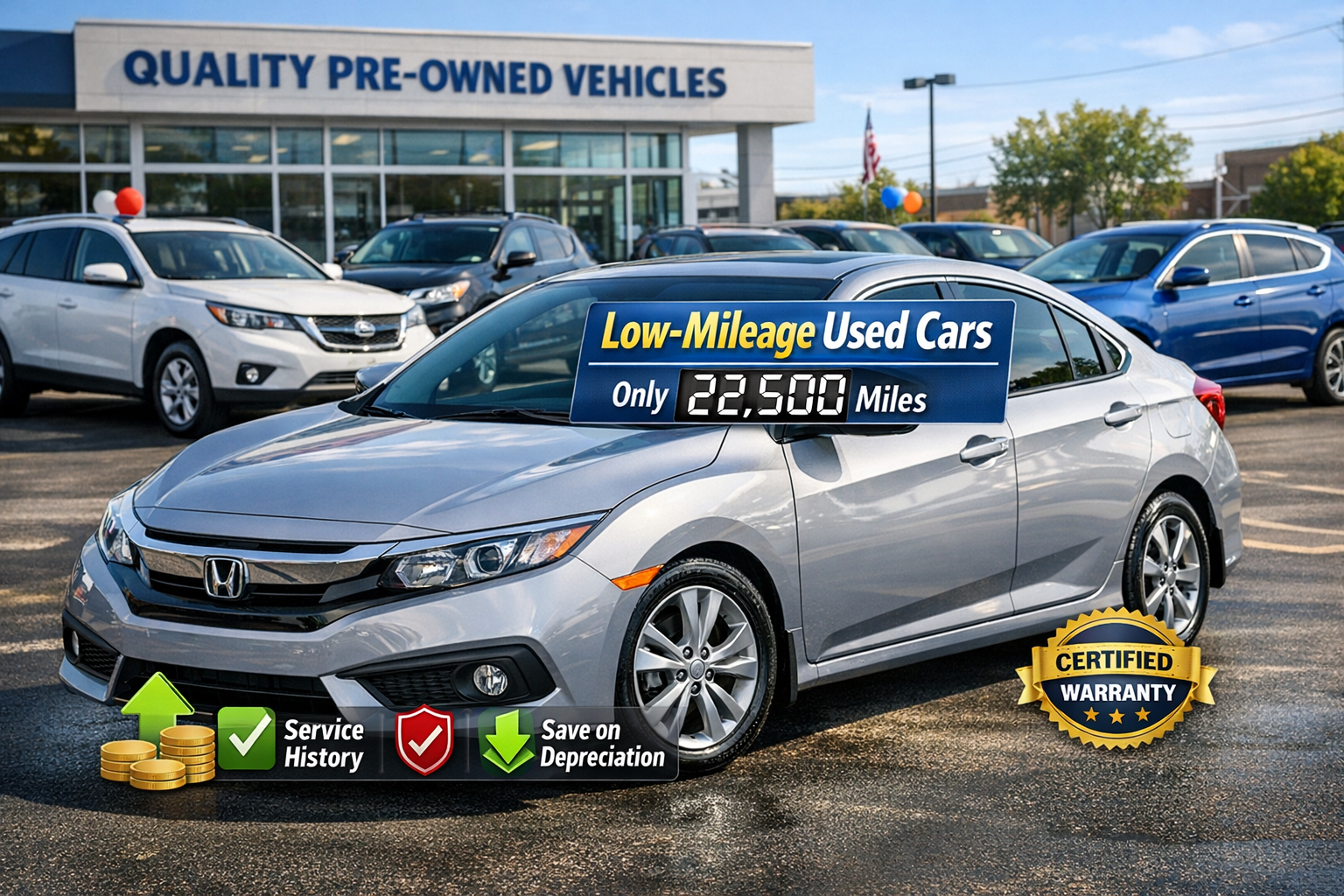
What Are the Financial Benefits of Buying a Low-Mileage Used Car?
One of the most appealing benefits of buying a low-mileage used car is the financial savings. These vehicles typically depreciate slower than new cars, allowing buyers to get more value for their money. With a lower price tag and reduced insurance rates, car buyers can save significantly. Moreover, low-mileage used vehicles are often in better condition, which translates to fewer repairs and maintenance costs.
- Lower purchase price compared to new cars.
- Reduced insurance rates for used vehicles.
- Less need for repairs due to lower wear and tear.
How Does Mileage Affect a Car’s Reliability?
The mileage on a car is a crucial factor that affects its reliability. A low-mileage vehicle often indicates less wear and tear, making it a more dependable choice for car buyers. Vehicles with fewer miles on the odometer are less likely to require immediate repairs, providing peace of mind for their new owners. Furthermore, many low-mileage used cars come with the latest features, making them competitive with their newer counterparts.
When inspecting a vehicle, consider not just the mileage but also the maintenance history. A well-maintained used car with low mileage can offer the reliability of a new vehicle without the hefty price tag.
What Should You Look for When Choosing a Low-Mileage Used Car?
When shopping for a low-mileage used car, it’s essential to consider several important factors. First, ensure that the vehicle has a solid maintenance record. Regular oil changes and inspections can prolong a car’s life significantly. Secondly, research the make and model for common issues associated with higher mileage. This knowledge will empower you to choose a quality used vehicle.
- Check the vehicle’s maintenance history.
- Research the reliability of the make and model.
- Inspect the car thoroughly before making a purchase.
What Are the Advantages of Buying a Used Car with Low Mileage?
Buying a low-mileage used car has numerous advantages. Aside from the financial benefits, these vehicles often provide a better driving experience due to their condition. Cars with lower mileage generally require fewer repairs, which can save you time and money. Additionally, you might find that some used cars offer features and technology that are still relevant and desirable today.
Moreover, low-mileage used cars tend to have higher resale values, making them a smarter investment for future car buyers. They represent a sweet spot in the market where you can get a nearly-new vehicle without the new car depreciation hit.
Why Should You Consider the Depreciation Rate of a Used Vehicle?
Depreciation is an important factor in the value of a vehicle. New cars can lose up to 20% of their value in the first year alone. In contrast, low-mileage used vehicles have already undergone substantial depreciation, meaning you can buy a car that retains its value better over time. Understanding this aspect can help you make an informed decision when choosing which used car to buy.
When shopping for a used vehicle, consider consulting with your dealership about the expected depreciation for different models. This information can help you prioritize your options based on long-term value.
How Do Low-Mileage Used Cars Compare to High-Mileage Cars?
Low-mileage used cars typically outperform high-mileage vehicles in terms of reliability and maintenance costs. A car with many miles may require significant repairs, leading to unexpected expenses for the buyer. In contrast, a low-mileage used car has likely seen less wear and tear and can provide a more reliable option for car shoppers.
In general, choosing a low-mileage vehicle means you are more likely to enjoy a hassle-free ownership experience, whereas high-mileage cars may come with more frequent repair needs.
What Are the Best Practices for Inspecting a Used Car?
When you’re ready to buy a used car, particularly one with low mileage, it’s crucial to perform a thorough inspection. Here are some best practices:
- Inspect the exterior and interior for any signs of damage.
- Take the car for a test drive to assess its performance.
- Request a vehicle history report to check for accidents or title issues.
Following these steps can help you identify any potential red flags and ensure you’re making a sound investment.
How Can You Ensure a Smooth Buying Process at a Dealership?
Working with a reputable dealership is key to a successful purchase. When buying a low-mileage used vehicle, consider visiting a dealership with a solid reputation for customer service and quality inventory. Look for dealerships that offer warranties or guarantees on their used vehicles, which can provide additional peace of mind.
Elmwood Auto Sales, a trusted used car dealership in Providence, RI, offers a wide selection of low-mileage used cars that align with your needs and budget. Their knowledgeable staff can assist you in finding the perfect low-mileage used car for your lifestyle.
What Are Some Common Misconceptions About Buying Used Cars?
Many car buyers have misconceptions about the used car market. One common belief is that all used cars are unreliable. In reality, low-mileage used cars can offer the same reliability as new models, especially if they have been well-maintained. Another misconception is that buying a used vehicle means missing out on the latest features. Many low-mileage used cars come equipped with modern technology and safety features.
By dispelling these myths, you can approach your car shopping experience with a more informed perspective, leading to better decisions.
How Can You Leverage Online Resources for Shopping for a Used Car?
In today’s digital age, car shoppers can take advantage of online resources to find the best deals. Websites that list used cars typically provide detailed information about mileage, price, and vehicle history. You can browse a dealership’s used inventory online to compare different options from the comfort of your home.
For instance, Elmwood Auto Sales features an extensive online inventory of low-mileage used vehicles that you can explore at your convenience. This allows you to identify potential options before visiting the dealership.
What Are the Key Takeaways for Buying a Low-Mileage Used Car?
- Financial savings are significant when opting for a low-mileage used car.
- Reliability is often better with low-mileage vehicles.
- Consider depreciation to maximize your investment.
- Inspect the vehicle thoroughly before making a purchase.
- Choose a reputable dealership for a smooth buying process.
In conclusion, buying a low-mileage used car presents numerous benefits, including financial savings, reliability, and value retention. For car shoppers eager to discover the benefits of buying a low-mileage used car, Elmwood Auto Sales, a leading used car dealership in Providence, RI, offers a diverse selection of quality used vehicles. Explore their inventory today and find the perfect low-mileage used car that suits your needs!
Why Buying a Used Car Can Offer a Wider Selection of Makes and Models
When it comes to purchasing a vehicle, buyers often face the dilemma of choosing between new and used cars. While new models come with the latest features and warranties, buying a used car can provide a wider selection of makes and models, making it a popular choice for many. In this blog post, we will explore the many advantages of buying a used vehicle and how it can help you find the perfect car that meets your needs.
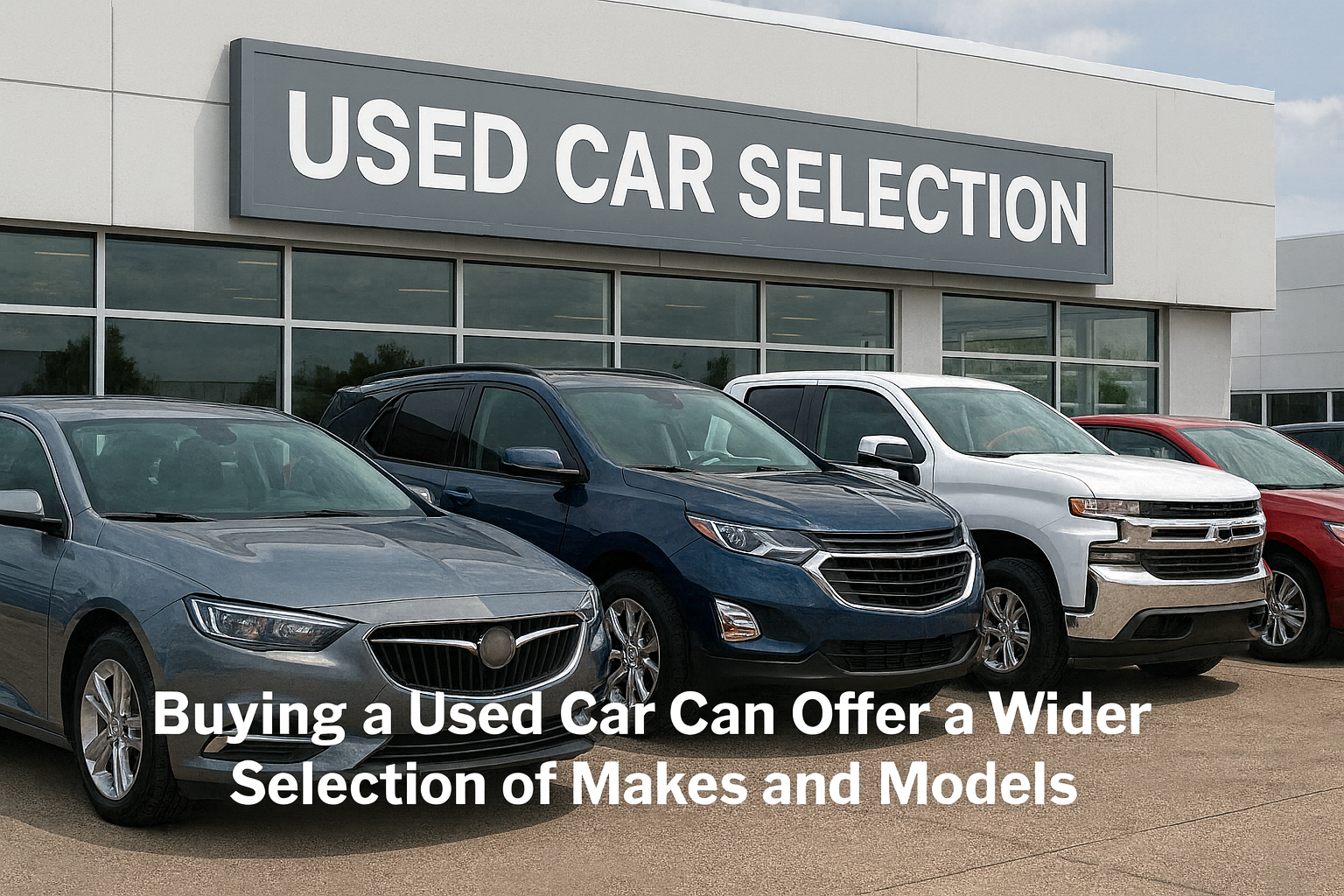
Why Is Buying a Used Car a Smart Choice?
A used car delivers many perks that you won’t typically find with a brand-new vehicle. One of the primary advantages is the cost savings. Used cars are typically less expensive than their new counterparts, allowing buyers to save money while still getting a reliable vehicle.
Additionally, with the used car market offering a diverse selection of makes and models, buyers have the freedom to choose from various options. This wider selection can include everything from popular models to discontinued vehicles that may no longer be available as new options.
- Cost savings compared to new cars
- Diverse selection of different makes and models
- Less depreciation within the first year
How Does the Used Car Market Offer a Wider Selection?
The used car market is vast and varied. Unlike the limited inventory of new cars from specific manufacturers, the used car market provides a broader range of options. Buyers can explore different makes, from luxury brands to economical choices, giving them the opportunity to find precisely what they want.
This wider selection allows buyers to consider various features and designs, catering to their specific needs and preferences. Whether you prefer an SUV, sedan, or hatchback, the used vehicle market has something for everyone.
What Are the Pros and Cons of Buying a Used Car?
When weighing the decision to buy a used car, it’s essential to consider both the pros and cons. The advantages include lower purchase prices, reduced insurance costs, and a wider selection of vehicles. However, some potential drawbacks may include less warranty coverage and the possibility of hidden defects.
Understanding these pros and cons can help you make an informed decision and ultimately lead you to the right choice for your situation.
- Pros:
- Lower overall cost
- Wider selection of makes and models
- Lower insurance rates
- Less depreciation
- Access to discontinued models
- Cons:
- Potential for hidden issues
- Limited or no warranty
- Higher maintenance costs
Why Is Choosing a Used Car a Smart Financial Decision?
Choosing a used car is often a smart financial decision for many buyers. Not only do used cars have a lower price tag, but they also usually come with lower insurance costs. As a buyer, you can save substantially when purchasing a pre-owned vehicle, especially considering that cars depreciate quickly during the first few years.
By opting for a used vehicle, you can also afford a higher-end model that may have been outside your budget if purchased new. This financial flexibility allows you to enjoy the benefits of premium features without the associated costs.
What Should You Look for When Shopping for a Used Car?
When shopping for a used car, it’s vital to know what to look for to ensure you are making a wise purchase. Start by researching the vehicle’s history, including maintenance records and accident history. A reliable used car is one that has been well-maintained and cared for.
It’s also important to consider factors such as mileage, condition, and model year. These elements will determine the car’s overall value and longevity, helping you choose a vehicle that meets your needs.
- Check the vehicle history report
- Look for maintenance records
- Consider mileage and wear and tear
How Can You Find the Perfect Used Car?
Choosing the perfect pre-owned car doesn’t have to be stressful.Start by identifying your needs, such as budget, size, and features. Once you have a clear idea, you can begin your search online or visit local used car dealerships.
It’s also beneficial to test drive multiple options to see which vehicle feels right for you. Don’t hesitate to ask questions and seek advice from trusted friends or family who may have experience with buying used cars.
What Are the Common Misconceptions About Used Cars?
Many misconceptions surround buying used cars, leading potential buyers to overlook excellent opportunities. A frequent misconception is that used cars can’t be trusted for reliability.However, with proper research and inspection, many used vehicles can provide years of dependable service.
Another misconception is that buying a used car means settling for less. In reality, the used car market offers a wide variety of high-quality vehicles, including luxury brands and discontinued models that may not be available new.
What Are Some Tips for First-Time Used Car Buyers?
If you’re a first-time used car buyer, consider these tips to make your experience smoother:
- Set a budget before you start shopping.
- Research the makes and models that interest you.
- Don’t rush; take your time to find the best deal.
- Get a mechanic to inspect the vehicle before purchase.
- Negotiate the price based on your research.
How Does Buying from a Used Car Dealership Benefit You?
Purchasing a vehicle from a used car dealership can provide added peace of mind. Reputable dealerships often offer warranties or guarantees on their vehicles, ensuring you have support should any issues arise post-purchase.
Dealers also typically provide a detailed history of the vehicle, giving you insight into its past and allowing you to make an informed decision. Additionally, buying from a dealership often gives buyers access to financing options that may not be available when purchasing privately.
What Are the Best Practices for Financing a Used Car?
When it comes to financing a used car, consider your options carefully. Start by checking your credit score, as this will influence the interest rates you receive. It’s also wise to shop around for financing offers from banks, credit unions, and dealership financing to find the best rates.
Be sure to factor in all costs, including insurance and maintenance, when creating your budget for monthly payments. This comprehensive approach will help you avoid financial strain in the long run.
What Are the Key Takeaways When Buying a Used Car?
- Buying a used car offers significant cost savings.
- The used car market provides a wider selection of makes and models.
- Understanding the pros and cons is crucial for informed decision-making.
- Choosing a reliable used vehicle requires research and inspection.
- Purchasing from a reputable used car dealership can provide additional peace of mind.
In conclusion, buying a used car can open the door to a wider selection of makes and models, providing buyers with the opportunity to discover the benefits of buying pre-owned vehicles. At Elmwood Auto Sales, a trusted used car dealer in Providence, RI, you can find the perfect used car that meets your needs and budget. Explore our wide inventory today and experience the advantages of buying a used vehicle for yourself!
Used Car Dealer vs. Private Owner: What’s the Difference?
When it comes to purchasing a used car, understanding the difference between a used car dealer and a private owner is crucial. Both options come with their own set of advantages and disadvantages, which can significantly influence your buying decision. This guide will help you navigate the used car market and make an informed decision based on your preferences and needs.
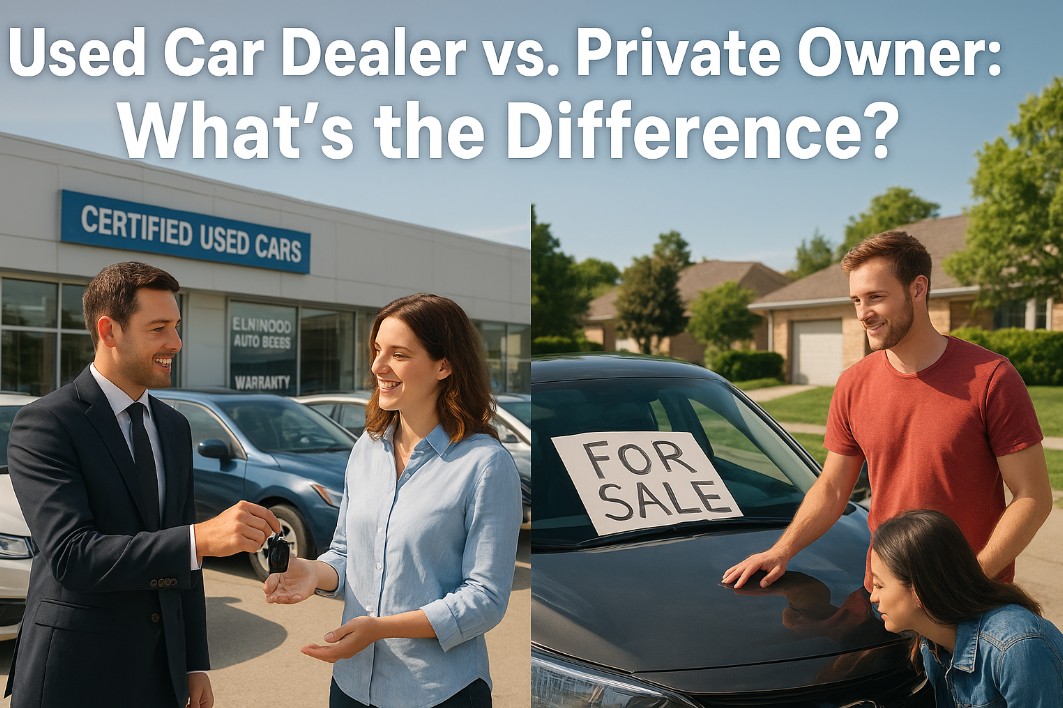
What is the difference between a used car dealer and a private seller?
The primary distinction between a used car dealer and a private seller lies in the nature of the sale. A used car dealer operates a business focused on car sales, while a private seller is an individual looking to sell their vehicle. This difference can affect everything from pricing to warranties, making it essential for buyers to understand what each option entails.
When buying from a dealer, you typically have access to a wider selection of used cars, often including certified pre-owned vehicles that come with warranties. In contrast, purchasing from a private owner usually offers lower prices, but with potential risks concerning the car’s history and condition.
What are the advantages of buying from a dealer?
Buying from a used car dealer comes with several advantages, making it a popular choice among car buyers:
- Warranty: Many dealers offer warranties on their vehicles, providing peace of mind in case something goes wrong.
- Financing Options: Dealerships often provide financing options, making it easier to manage payments.
- Vehicle History Report: Reputable dealers usually provide a vehicle history report, helping buyers assess the car’s condition.
These benefits can make purchasing from a dealer a more secure option, especially for first-time buyers.
What are the benefits of buying from a private owner?
Purchasing a car from a private seller can also offer unique advantages:
- Lower Price: Private sellers typically list their cars at lower prices compared to dealerships.
- Room for Negotiation: There’s often more flexibility in negotiating the price with a private seller.
These benefits can be appealing, particularly for those looking to save money on their next used car purchase.
What are the cons of buying from a private seller?
However, buying from a private seller does come with its own set of disadvantages:
- Lack of Warranty: Private sellers usually do not offer warranties, which means you may be responsible for repairs shortly after the purchase.
- Car’s History: A private seller is not obligated to disclose the car’s history, which can lead to unexpected issues down the line.
Buyers should be diligent in researching the car’s condition and history when purchasing from a private owner.
How can you ensure a safe purchase from a dealer?
To make the purchasing process safer when buying from a dealer, consider the following tips:
- Research the Dealer: Look for reviews and ratings of the dealership to ensure they have a good reputation.
- Request a Vehicle History Report: Always ask for a vehicle history report to check for previous accidents or issues.
- Inspect the Car: Have a trusted mechanic inspect the car before making a purchase.
Taking these steps can help ensure that you are making a wise investment.
How can you ensure a safe purchase from a private seller?
When buying a car privately, it’s important to take precautions to avoid potential pitfalls:
- Meet in a Public Place: Arrange to meet in a safe, public location for the transaction.
- Verify the Seller’s Identity: Check the seller’s identification and ensure their name matches the title.
- Get a Pre-Purchase Inspection: Always have a mechanic inspect the car to identify any hidden problems.
These measures can help protect you from scams and ensure a smoother buying experience.
What financing options are available when buying from a dealer?
Dealerships often provide various financing options that can make buying a car more manageable:
- In-House Financing: Some dealerships offer their own financing solutions, which can be convenient.
- Bank Loans: Many buyers choose to secure loans from their banks or credit unions, which may offer better rates.
- Leasing Options: Dealerships may also provide leasing options for those not ready to buy outright.
Understanding these options can help you choose the best financial route for your needs.
What financing options are available when buying from a private seller?
Financing for private sales can be more limited, but options still exist:
- Bank Loans: Many banks allow loans for cars purchased from private sellers.
- Personal Loans: Some buyers opt for personal loans to finance their purchase.
Buyers should be prepared to handle the financing process themselves when purchasing from a private owner.
What should you look for in a used car’s history?
The car’s history is a crucial aspect to consider regardless of whether you buy from a dealer or a private seller:
- Accident History: Check if the car has been involved in any accidents that might affect its value or safety.
- Service Records: Regular maintenance is essential; ensure the car has a good service history.
- Title Status: Confirm that the title is clean and that there are no liens against the vehicle.
Being thorough in this area can help you avoid future headaches and ensure a sound investment.
How can you make an informed decision between a dealer and a private seller?
To make the best choice, consider the following factors:
- Your Budget: Determine how much you are willing to spend and which option fits your budget better.
- Your Risk Tolerance: Assess your comfort level with potential risks associated with buying from a private seller.
- Desired Features: Identify what features are most important to you in a used car, as this can influence where you buy.
Taking the time to evaluate these factors will help you make an informed decision that meets your needs.
Conclusion: Key Takeaways
- Buying from a dealer offers warranties and financing options, while private sellers typically provide lower prices.
- Dealerships often have a wider selection of vehicles, while private sellers may allow for more negotiation.
- Both options have their pros and cons, so consider your budget, risk tolerance, and desired features.
- Regardless of your choice, always conduct thorough research and vehicle inspections to ensure a satisfactory purchase.
In conclusion, whether you decide to buy a used car from a dealer or a private owner, understanding the nuances of each option is essential for a successful purchase. For those looking for a reliable used car dealer, consider Elmwood Auto Sales in Providence, RI. They provide a range of used vehicles, ensuring you can buy a used car with confidence, knowing you’ll receive excellent service and support throughout the buying process contact us today for more information.
Save More with Used Cars: A Guide for Smart Buyers
In today’s economy, making smart financial decisions is essential, especially for budget-conscious buyers. When it comes to purchasing a vehicle, the choice between buying a new car or opting for a pre-owned vehicle can significantly impact your finances. This blog post explores why buying a used car can be a better option for those looking to save money without sacrificing quality or reliability.

What Are the Main Advantages of Buying Used Cars?
Buying a used car offers numerous advantages that make it a smart choice for budget-conscious buyers. Firstly, used cars generally have lower price tags compared to their new counterparts. This means you can get a higher-quality vehicle for your budget. Additionally, the depreciation on used cars has already occurred, allowing you to avoid the steep drop in value that new cars experience as soon as they leave the dealership.
Moreover, the used car market offers a wide range of options to fit every lifestyle and budget. Whether you’re looking for a compact car for daily commuting or a spacious SUV for your family, you’ll find plenty of choices that match your needs and preferences. This variety allows you to choose a vehicle that fits your lifestyle without overstretching your finances.
How Do Used Cars Offer Better Value for Money?
Used cars often come with a lower overall cost of ownership. Not only are the initial purchase prices lower, but insurance premiums for used vehicles are typically less expensive than those for new cars. This makes maintaining your vehicle more affordable over time, which is a significant advantage for budget-conscious buyers.
Furthermore, many used cars are still under warranty or can be purchased as certified pre-owned vehicles. These options offer peace of mind by protecting you from unexpected repair expenses after your purchase.
Why Should You Consider the Condition of a Used Car?
The condition of a used car is paramount when making your decision. A well-maintained used vehicle can serve you reliably for many years. It’s essential to conduct thorough research and inspections before purchasing. Look for vehicles with comprehensive service records and consider getting a mechanic to check the car’s condition.
Additionally, understanding the vehicle’s history through services like Carfax can help you make an informed decision. Many used cars have already experienced most of their depreciation, making them a smarter and more cost-effective choice in the long run.
What Financing Options Are Available for Used Cars?
When it comes to financing, used car financing options are often more favorable compared to new car loans. Interest rates for used vehicles tend to be lower, and lenders are more willing to offer loans for pre-owned vehicles. This can make monthly payments more manageable for budget-conscious buyers.
There are also various financing options available, including traditional loans, credit unions, and dealership financing. It’s essential to shop around and compare rates to find the best deal that fits your financial situation.
How Do Insurance Premiums Differ Between New and Used Vehicles?
Insurance premiums for used cars are generally lower than those for new vehicles. This difference can have a major impact on your overall budget since vehicle insurance is an ongoing expense that plays an important role in the total cost of owning a car.
When purchasing a used car, you might discover that you can get better insurance coverage for a lower price. This insurance savings can be a crucial factor for budget-conscious buyers looking to maximize their spending power.
What Are the Benefits of Buying a Certified Pre-Owned Vehicle?
Buying a certified pre-owned (CPO) vehicle comes with added benefits that enhance the value of your purchase. CPO vehicles have undergone rigorous inspections and come with extended warranties, providing peace of mind for buyers worried about potential defects.
Additionally, Certified Pre-Owned (CPO) programs often come with added benefits like roadside assistance and detailed vehicle history reports, giving you extra confidence in your purchase.For budget-conscious buyers, a certified pre-owned vehicle can be a smart choice that combines affordability with reliability.
How Does the Used Car Market Compare to the New Car Market?
The demand for new car production has led to higher prices due to limited supply and increased production costs. On the contrary, the used car market offers a more stable pricing structure, providing numerous options at competitive prices.
Many used cars are available at significantly lower prices compared to new models, making them a better option for budget-conscious buyers. You can often find vehicles that are just a few years old with modern features at a fraction of the cost of a new car.
Why Is Buying a Used Vehicle a Smart Financial Decision?
Purchasing a used vehicle is often a smarter financial decision than buying new. Cars lose value quickly, and by opting for a used car, you can avoid the hefty depreciation that occurs in the first few years of ownership.
Moreover, used vehicles often come with lower registration fees and taxes, further enhancing their affordability. For budget-conscious buyers, opting for a used car allows them to get more value for their money, making it a smart and appealing financial decision.
What Should You Look for When Choosing a Used Car?
When choosing a used car, consider factors such as mileage, maintenance history, and vehicle condition. It’s important to look for vehicles with lower mileage, as they usually show less wear and tear. Checking the maintenance history can also provide valuable insight into how well the previous owner maintained the car.
Always take the car for a test drive and consider having a trusted mechanic inspect it before finalizing your purchase. This careful approach helps you make a smart, well-informed decision when purchasing a used vehicle.
How Can Elmwood Auto Sales Help You Find the Right Used Car?
Elmwood Auto Sales, a reputable used car dealer in Providence, RI, specializes in helping budget-conscious buyers find the perfect pre-owned vehicle. With a wide selection of quality used cars, the dealership provides valuable insights and guidance to make your car purchase seamless and stress-free.
At Elmwood Auto Sales, you can explore various pre-owned vehicles and benefit from their knowledgeable staff, who can assist you in finding a vehicle that fits both your budget and lifestyle. Discover the advantages of buying a used car today and drive away with confidence!
Key Takeaways
- Buying a used car is often more affordable than purchasing a new vehicle.
- Used cars come with lower insurance premiums and overall cost of ownership.
- Consider the condition and maintenance history of a used vehicle before buying.
- Explore financing options for used cars that may offer lower interest rates.
- Certified pre-owned vehicles provide added peace of mind and warranty benefits.
Elmwood Auto Sales in Providence, RI, can help you find the ideal pre-owned vehicle for your needs.