
Know About Used Car Warranties: A Guide to Understanding the Warranty on a Used Car
Buying a used car can save money upfront, but understanding the warranty on a used car is vital to avoid unexpected repair costs and gain peace of mind. This guide explains used car warranties, extended warranties for used vehicles, warranty coverage basics, types of warranty plans, and how to evaluate warranty worth when you’re purchasing a used vehicle. Whether you’re buying from a dealership, a private seller, or considering certified pre-owned (CPO) options, knowing about used car warranties will help you make a smarter, less risky purchase.
1. What are the common types of used car warranties and warranty coverage?
When evaluating warranty options, it’s important to understand the main types of used car warranties you may encounter. Typical warranty types include powertrain warranty, bumper-to-bumper warranties, factory warranty (original manufacturer’s warranty), certified pre-owned (CPO) warranty, dealer warranty, and third-party extended warranties. Each type of warranty defines what it covers — for example, a powertrain warranty often focuses on engine, transmission, and drivetrain components, while bumper-to-bumper warranties aim to cover most vehicle systems, except for routine wear items.
Warranty coverage varies substantially, so read the warranty agreement carefully to know what is covered under a used car. A factory warranty may still be active if the car is relatively new, while a used-car warranty offered by a dealer or third-party warranty company can fill gaps or provide extended protection. Warranties for used cars often list exclusions: routine maintenance, wear-and-tear items, and pre-existing damage are commonly not covered, so confirm warranty documents and ask the warranty provider for clarification.
2. How much does a warranty cost, and what affects warranty cost?
Warranty cost depends on several factors, including the vehicle’s age, mileage, make and model, the type of warranty, and the length and level of coverage. Extended warranties for used cars generally cost more for older, higher-mileage vehicles because the risk of repair increases. Warranty companies and dealership warranty plans will price coverage based on predicted repair costs, labor rates, and parts pricing. When considering extended car warranties, compare quotes from multiple warranty providers to find the best warranty for your budget and needs.
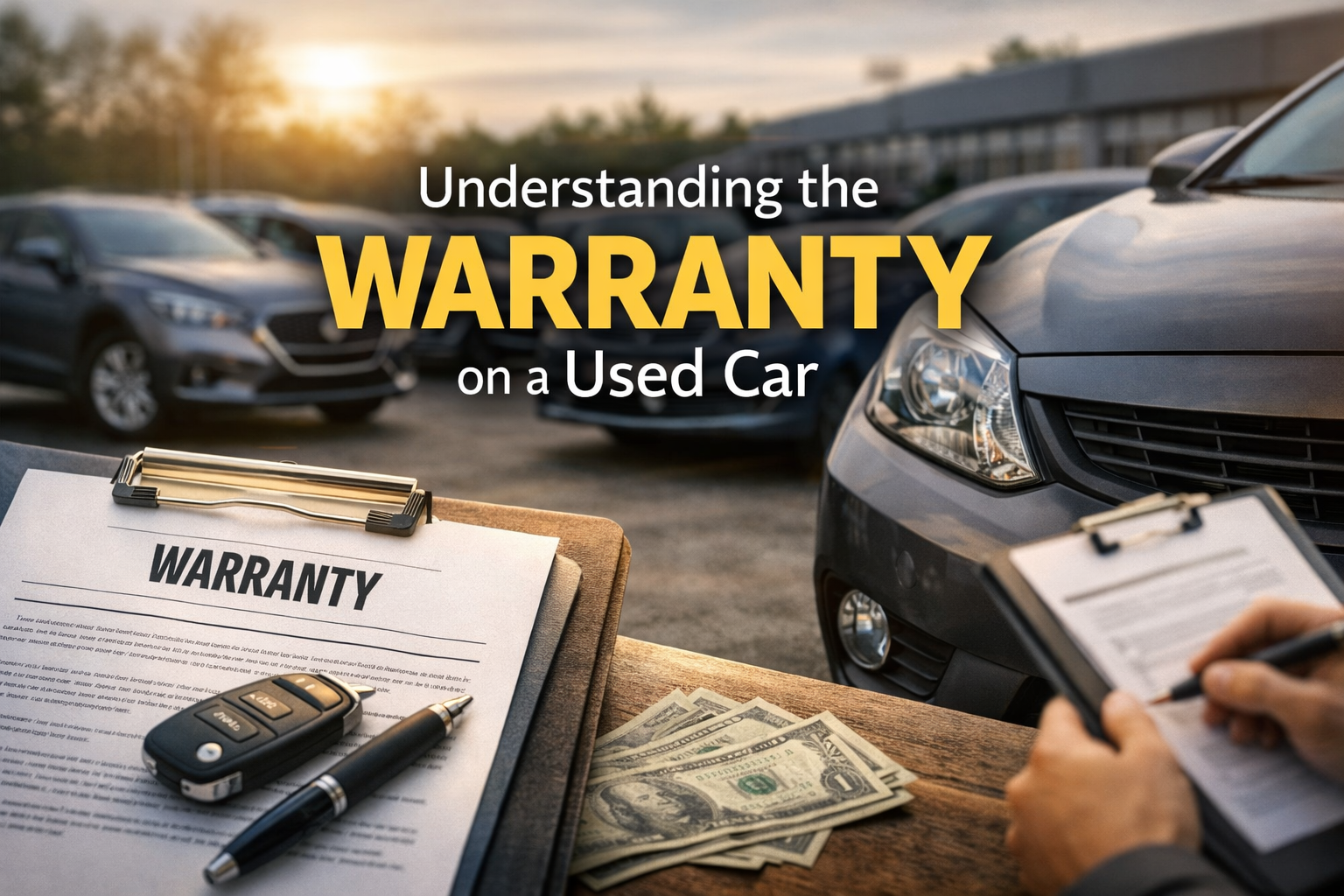
Other factors that influence warranty cost include deductible choices, coverage limits, and whether the warranty includes additional services such as roadside assistance or rental car reimbursement. Some dealerships bundle an extended warranty with a used vehicle sale, which can be convenient but might not be the best price. Shop around for third-party extended warranties or ask the dealer to show you the price breakdown to understand exactly what you’re paying for when adding warranty protection.
3. What does a warranty on a used car typically cover, and what does it not cover?
Understanding what a warranty covers is essential to avoid surprises. A warranty on a used car could cover major mechanical components like the engine, transmission, and drivetrain when you purchase a powertrain warranty. Bumper-to-bumper warranties for used vehicles may provide broader coverage but often exclude routine maintenance and wear items such as brake pads, tires, and wiper blades. The warranty agreement will outline covered parts, labor, and any caps on repair costs or the number of claims.
Common exclusions include damage from accidents, misuse, environmental damage, and modifications. Warranties for used cars also typically do not cover regular maintenance like oil changes, filters, and bulbs. If warranties for used include specific systems—like electronics or HVAC—verify whether aftermarket parts or previously repaired systems are excluded. Always ask the dealer or warranty provider to clarify what the warranty does not cover and request the warranty documents in writing.
4. Can a used car still be under a factory warranty or original manufacturer’s warranty?
Yes, a used vehicle may still be under the original factory warranty depending on the car’s age and mileage. New car warranties often include a limited factory warranty and a powertrain warranty that can transfer to subsequent owners until the coverage expires. When you buy a used car, check the manufacturer’s warranty status by reviewing warranty documents or using the vehicle identification number (VIN) to check with the manufacturer. If the original factory warranty is still active, this can be one of the best warranty benefits you get with a used car.
Keep in mind that factory warranty coverage can vary: some warranties are limited in scope while others offer comprehensive protection. Manufacturer warranties can provide better coverage and peace of mind compared to some third-party options, and certain repairs may need to be performed at authorized dealerships to remain covered. If the factory warranty expires soon, consider extended warranties for used vehicles to protect against imminent repair costs.
5. Are extended warranties for used cars worth the cost?
Deciding if extended warranties for used cars are worth the cost depends on your risk tolerance, anticipated repair costs, and the reliability of the vehicle you are buying. Extended warranty plans can provide peace of mind by covering expensive repairs that might otherwise be paid out-of-pocket. For higher-mileage or older vehicles where the factory warranty has expired, an extended warranty can reduce the financial risk of major mechanical failure and limit unexpected repair costs.
However, not all extended car warranties offer the same level of coverage or value. Compare the best warranty options by reviewing coverage limits, exclusions, claim processes, and warranty company reputation. Third-party warranty companies vary widely in service quality, so research reviews, check for complaint histories, and ask whether the warranty provider will allow repairs at local repair shops or require dealer service. If the warranty cost is disproportionate to the vehicle’s value or reliability, you may opt to budget for potential repairs instead.
6. How do dealer warranties and dealership warranty offers compare to third-party plans?
Dealer warranties or dealership-provided used-car warranty coverage often come bundled with the vehicle sale and can be conveniently arranged at the point of purchase. Dealership warranties may include limited coverage, short-term dealer warranty, or retailer-backed extended warranties. Some car dealerships offer their own warranty options, while others resell third-party extended warranty plans. Always confirm who is actually administering the warranty: the dealer, a third-party warranty company, or the manufacturer.
Third-party warranty providers may offer more flexible terms, competitive pricing, or different levels of coverage tailored to used vehicles. But warranty companies also vary in reliability and claim satisfaction. Ask for a detailed warranty agreement, compare service networks, and check whether a dealer’s warranty requires you to return to the selling dealership for claims. The best approach is to weigh warranty worth, cost, and convenience against the quality and range of warranty coverage.
7. What is a certified pre-owned (CPO) warranty, and how does it differ from other warranties?
A certified pre-owned (CPO) warranty is an extended warranty provided by the manufacturer or an authorized dealer for used vehicles that pass a detailed inspection and meet specific criteria. CPO warranties often extend the original factory warranty or add additional coverage, making them one of the strongest warranty options for buying a used car. CPO vehicles typically include additional benefits such as roadside assistance, multi-point inspections, and limited vehicle protection plans designed to provide higher confidence to buyers.
CPO warranties usually cost more than non-certified used cars, but they often represent better value because of more comprehensive coverage and the backing of the manufacturer. CPO warranty coverage varies by brand, so understand the specific terms, how long the CPO warranty lasts, and what is required to maintain coverage. For many buyers, a certified pre-owned car with a solid CPO warranty is a compelling blend of new car-like assurances and a lower price.
8. How do I file a warranty claim, and what documentation do I need?
Filing a warranty claim typically begins by contacting the warranty provider—this may be the dealer, manufacturer, or a third-party warranty company. You will need the warranty agreement, vehicle VIN, service records, and a clear description of the problem. Some warranties require pre-authorization before you proceed with repairs, so confirm whether prior approval is necessary to avoid denial of the claim. Keep copies of all repair invoices and diagnostic reports as proof for the warranty claim.
Different warranty providers have different claim processes. Manufacturer and dealer warranties may require you to visit an authorized service center or dealership for diagnosis and repairs, while some third-party warranty companies allow you to choose a local certified mechanic. If a claim is denied, review the warranty agreement to understand the reason—common denials include exclusion items, lack of maintenance, or pre-existing conditions. Escalate disputes by contacting warranty companies, state consumer protection agencies, or your car dealer if needed.
9. What should I look for in a warranty agreement before I buy a used car?
Before purchasing a used vehicle, scrutinize the warranty agreement to understand warranty coverage, exclusions, claim procedures, coverage limits, deductibles, and duration. Check if the warranty is transferable to a new owner, especially if you plan to sell the car later. Look for specifics about repair costs covered, whether parts and labor are included, and if there are caps per repair or cumulative claim caps. Also, determine whether roadside assistance, towing, and rental car reimbursement are included in the warranty plan.
Ask the dealer or warranty provider direct questions: Who is the warranty provider? What is the warranty cost and deductible? Are there required maintenance schedules to keep coverage valid? Read the fine print for what the warranty may exclude, such as pre-existing conditions, modifications, or commercial use. Getting the warranty documents in writing and allowing a trusted mechanic to inspect the vehicle will help you avoid unpleasant surprises after purchase.
10. How can I evaluate warranty companies and find the best warranty for my used car?
Evaluating warranty companies involves comparing customer reviews, claim approval rates, Better Business Bureau (BBB) ratings, and consumer complaint histories. A reputable warranty provider should have clear contract terms, a straightforward claims process, and a transparent list of what the warranty covers. Request sample contracts, ask about approved repair shops, and verify whether the warranty requires use of specific dealerships or allows independent mechanics. These factors influence both convenience and your ability to minimize repair costs.
Compare extended warranty plans side-by-side for coverage categories, exclusions, deductibles, and caps. Consider whether the warranty aligns with the car’s reliability profile and your intended use of the vehicle. For buyers seeking maximum peace of mind, factory-backed CPO warranties or manufacturer’s extended warranties may be the best warranty option. For budget-conscious buyers, third-party extended warranties might be more affordable but require careful vetting of warranty companies to ensure they will honor claims fairly.
11. How long should I expect warranty coverage to last, and what happens when the warranty expires?
Warranty length varies by type: manufacturer’s warranties and CPO warranties often specify years or miles (e.g., 5 years/60,000 miles), while dealer or third-party extended warranties may be offered for different timeframes and mileage limits. When evaluating warranty options, consider both the remaining factory warranty and any extended warranty duration. A longer warranty period can reduce the likelihood of paying out-of-pocket for major repairs during your ownership.
When the warranty expires, the car owner becomes responsible for subsequent repair costs unless an extended warranty is purchased or another warranty option is available. Budget for potential repair costs or consider purchasing additional coverage before the current warranty expires. Some warranty providers offer renewal options, but renewal terms can change, and premiums may increase with vehicle age and mileage. Keep maintenance records up to date to demonstrate proper care and potentially improve renewal prospects.
12. What precautions should I take to protect my warranty and avoid denied claims?
To protect your warranty and avoid denied claims, adhere strictly to the warranty’s maintenance requirements and keep detailed service records. Many warranties require routine maintenance to be performed at specified intervals; failure to comply can be grounds for denial. Use authorized parts or follow the warranty instructions for repairs and service locations if required, and always get pre-authorization when the warranty mandates it for certain repairs.
Document everything: receipts, service logs, and any warranty correspondence. If a repair turns into a warranty claim, having complete documentation will streamline approval and reduce disputes. Before purchasing a used car, request a vehicle history report and have a trusted mechanic inspect the car to identify pre-existing issues that could affect future coverage. Being proactive about maintenance and understanding warranty terms helps ensure the warranty remains valid and that warranty claims are honored.
13. How does warranty coverage influence the decision to buy a used car versus a new car?
Warranty coverage is a major factor when deciding between buying a used car and a new car. New car warranties often include comprehensive coverage for the initial years, reducing the risk of repair costs and providing a level of peace of mind that many buyers value. Used car warranties, especially when the vehicle still has an active original manufacturer’s warranty or a solid CPO warranty, can offer similar benefits at a lower upfront price than a new car.
Consider the total cost of ownership: repair costs, warranty costs, and depreciation. A new car may come with new car warranties and longer coverage but a higher purchase price; a well-warranted used car can provide savings while still offering meaningful warranty coverage. Evaluate whether the warranty coverage aligns with your risk tolerance and budget; sometimes, extended warranties for used vehicles make sense to bridge the coverage gap and minimize the likelihood of unexpected repair costs.
Conclusion: Key takeaways to understand warranties for used cars
- Know the types of used car warranties: factory warranty, powertrain, bumper-to-bumper, dealer warranty, CPO warranty, and third-party extended warranties.
- Read warranty documents carefully to learn what warranty covers and what is excluded, including maintenance requirements and pre-existing conditions.
- Compare warranty cost and warranty worth by evaluating coverage limits, deductibles, and provider reputation before purchasing a warranty plan.
- Check if the original manufacturer’s warranty is still active and whether the used-car warranty is transferable.
- Get all warranty agreement details in writing and understand the claims process, including required documentation and pre-authorization rules.
- Maintain thorough service records and follow maintenance schedules to protect warranty validity and avoid denied claims.
- Consider CPO or factory-backed warranties for stronger coverage; vet third-party warranty companies for reliability and customer service.
When you’re ready to buy a used car, choosing the right warranty plan can make a big difference in long-term repair costs and peace of mind. Elmwood Auto Sales, a used car dealer in Providence, RI, offers a range of warranty options and can help you compare used car warranties, extended warranties for used cars, and warranty coverage choices. Whether you want an extended warranty plan, a factory warranty still in effect, or additional vehicle protection plans, a reputable used car dealer like Elmwood Auto Sales can guide you through warranty documents, warranty companies, and the best warranty options to fit your needs when purchasing a pre-owned car.