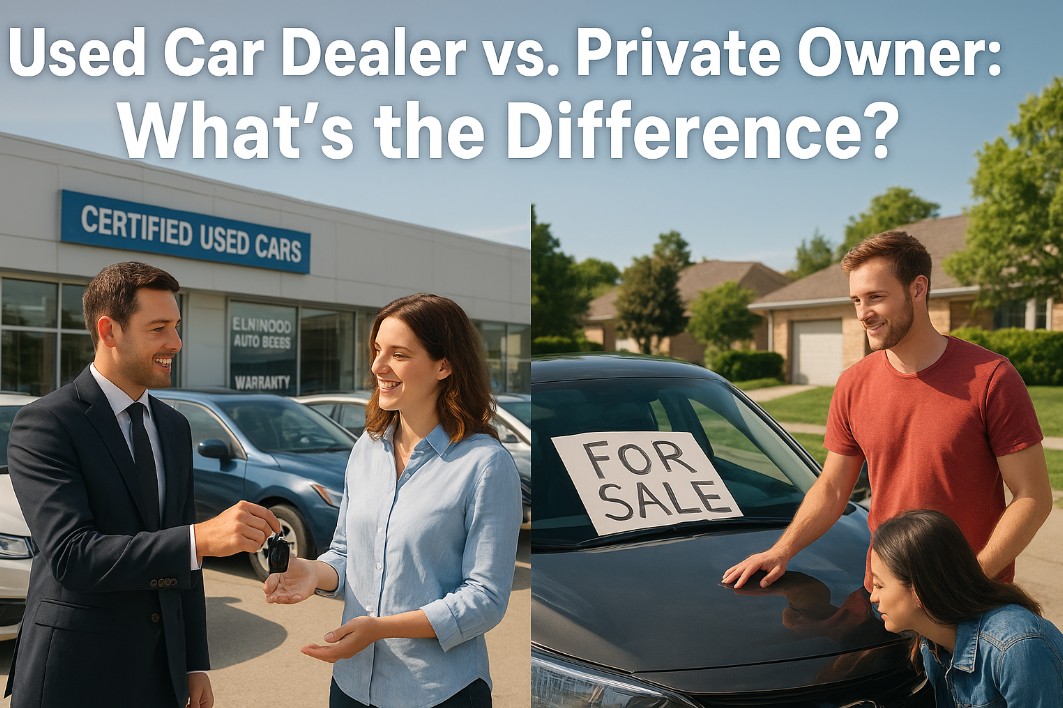
Used Car Dealer vs. Private Owner: What’s the Difference?
When it comes to purchasing a used car, understanding the difference between a used car dealer and a private owner is crucial. Both options come with their own set of advantages and disadvantages, which can significantly influence your buying decision. This guide will help you navigate the used car market and make an informed decision based on your preferences and needs.
What is the difference between a used car dealer and a private seller?
The primary distinction between a used car dealer and a private seller lies in the nature of the sale. A used car dealer operates a business focused on car sales, while a private seller is an individual looking to sell their vehicle. This difference can affect everything from pricing to warranties, making it essential for buyers to understand what each option entails.
When buying from a dealer, you typically have access to a wider selection of used cars, often including certified pre-owned vehicles that come with warranties. In contrast, purchasing from a private owner usually offers lower prices, but with potential risks concerning the car’s history and condition.
What are the advantages of buying from a dealer?
Buying from a used car dealer comes with several advantages, making it a popular choice among car buyers:
- Warranty: Many dealers offer warranties on their vehicles, providing peace of mind in case something goes wrong.
- Financing Options: Dealerships often provide financing options, making it easier to manage payments.
- Vehicle History Report: Reputable dealers usually provide a vehicle history report, helping buyers assess the car’s condition.
These benefits can make purchasing from a dealer a more secure option, especially for first-time buyers.
What are the benefits of buying from a private owner?
Purchasing a car from a private seller can also offer unique advantages:
- Lower Price: Private sellers typically list their cars at lower prices compared to dealerships.
- Room for Negotiation: There’s often more flexibility in negotiating the price with a private seller.
These benefits can be appealing, particularly for those looking to save money on their next used car purchase.
What are the cons of buying from a private seller?
However, buying from a private seller does come with its own set of disadvantages:
- Lack of Warranty: Private sellers usually do not offer warranties, which means you may be responsible for repairs shortly after the purchase.
- Car’s History: A private seller is not obligated to disclose the car’s history, which can lead to unexpected issues down the line.
Buyers should be diligent in researching the car’s condition and history when purchasing from a private owner.
How can you ensure a safe purchase from a dealer?
To make the purchasing process safer when buying from a dealer, consider the following tips:
- Research the Dealer: Look for reviews and ratings of the dealership to ensure they have a good reputation.
- Request a Vehicle History Report: Always ask for a vehicle history report to check for previous accidents or issues.
- Inspect the Car: Have a trusted mechanic inspect the car before making a purchase.
Taking these steps can help ensure that you are making a wise investment.
How can you ensure a safe purchase from a private seller?
When buying a car privately, it’s important to take precautions to avoid potential pitfalls:
- Meet in a Public Place: Arrange to meet in a safe, public location for the transaction.
- Verify the Seller’s Identity: Check the seller’s identification and ensure their name matches the title.
- Get a Pre-Purchase Inspection: Always have a mechanic inspect the car to identify any hidden problems.
These measures can help protect you from scams and ensure a smoother buying experience.
What financing options are available when buying from a dealer?
Dealerships often provide various financing options that can make buying a car more manageable:
- In-House Financing: Some dealerships offer their own financing solutions, which can be convenient.
- Bank Loans: Many buyers choose to secure loans from their banks or credit unions, which may offer better rates.
- Leasing Options: Dealerships may also provide leasing options for those not ready to buy outright.
Understanding these options can help you choose the best financial route for your needs.
What financing options are available when buying from a private seller?
Financing for private sales can be more limited, but options still exist:
- Bank Loans: Many banks allow loans for cars purchased from private sellers.
- Personal Loans: Some buyers opt for personal loans to finance their purchase.
Buyers should be prepared to handle the financing process themselves when purchasing from a private owner.
What should you look for in a used car’s history?
The car’s history is a crucial aspect to consider regardless of whether you buy from a dealer or a private seller:
- Accident History: Check if the car has been involved in any accidents that might affect its value or safety.
- Service Records: Regular maintenance is essential; ensure the car has a good service history.
- Title Status: Confirm that the title is clean and that there are no liens against the vehicle.
Being thorough in this area can help you avoid future headaches and ensure a sound investment.
How can you make an informed decision between a dealer and a private seller?
To make the best choice, consider the following factors:
- Your Budget: Determine how much you are willing to spend and which option fits your budget better.
- Your Risk Tolerance: Assess your comfort level with potential risks associated with buying from a private seller.
- Desired Features: Identify what features are most important to you in a used car, as this can influence where you buy.
Taking the time to evaluate these factors will help you make an informed decision that meets your needs.
Conclusion: Key Takeaways
- Buying from a dealer offers warranties and financing options, while private sellers typically provide lower prices.
- Dealerships often have a wider selection of vehicles, while private sellers may allow for more negotiation.
- Both options have their pros and cons, so consider your budget, risk tolerance, and desired features.
- Regardless of your choice, always conduct thorough research and vehicle inspections to ensure a satisfactory purchase.
In conclusion, whether you decide to buy a used car from a dealer or a private owner, understanding the nuances of each option is essential for a successful purchase. For those looking for a reliable used car dealer, consider Elmwood Auto Sales in Providence, RI. They provide a range of used vehicles, ensuring you can buy a used car with confidence, knowing you’ll receive excellent service and support throughout the buying process contact us today for more information.