
Should You Buy a New or Used Car? Complete Buyer’s Guide
Deciding whether to buy a new car or purchase a used car is one of the biggest financial choices many people make. Whether you’re buying a new vehicle for the first time or considering buying a used car instead, understanding the trade-offs — from car cost and warranty to interest rate and car insurance — helps you make a better choice. This guide explores the most important factors to consider when deciding between a used or new car so you can find the right car and enjoy peace of mind with your purchase.
1. Should I consider used cars or buy a new car based on price and car cost?
One of the clearest differences between new cars and used cars is car cost. New cars typically cost more up front and depreciate faster in the first few years, while used vehicles, especially late-model used cars, often offer much better initial value. If your budget is tight or you prefer lower monthly payments, buying a used car might be a better choice because the purchase price and the need for a large down payment are usually lower.
When shopping for a car, compare the total cost of ownership — including registration, taxes, car insurance rates, and expected maintenance — rather than just the sticker price. Buying a new car can mean higher car insurance and a higher new car purchase price, but sometimes financing rates or manufacturer incentives make buy new options competitive. For many buyers, the advantage of buying a used vehicle is clear: lower purchase price and immediate avoidance of the steepest depreciation.
2. How do warranty and certified pre-owned options affect buying a new or used car?
A major advantage of buying a new car is the factory warranty that comes with a brand-new car purchase — often providing peace of mind with bumper-to-bumper coverage for several years. Conversely, buying a used car traditionally carried the risk of no warranty, but that has changed with certified pre-owned (CPO) programs. Certified pre-owned cars and cpo cars from dealerships undergo inspections and often include extended warranties, blending some benefits of new cars with the lower cost of used vehicles.
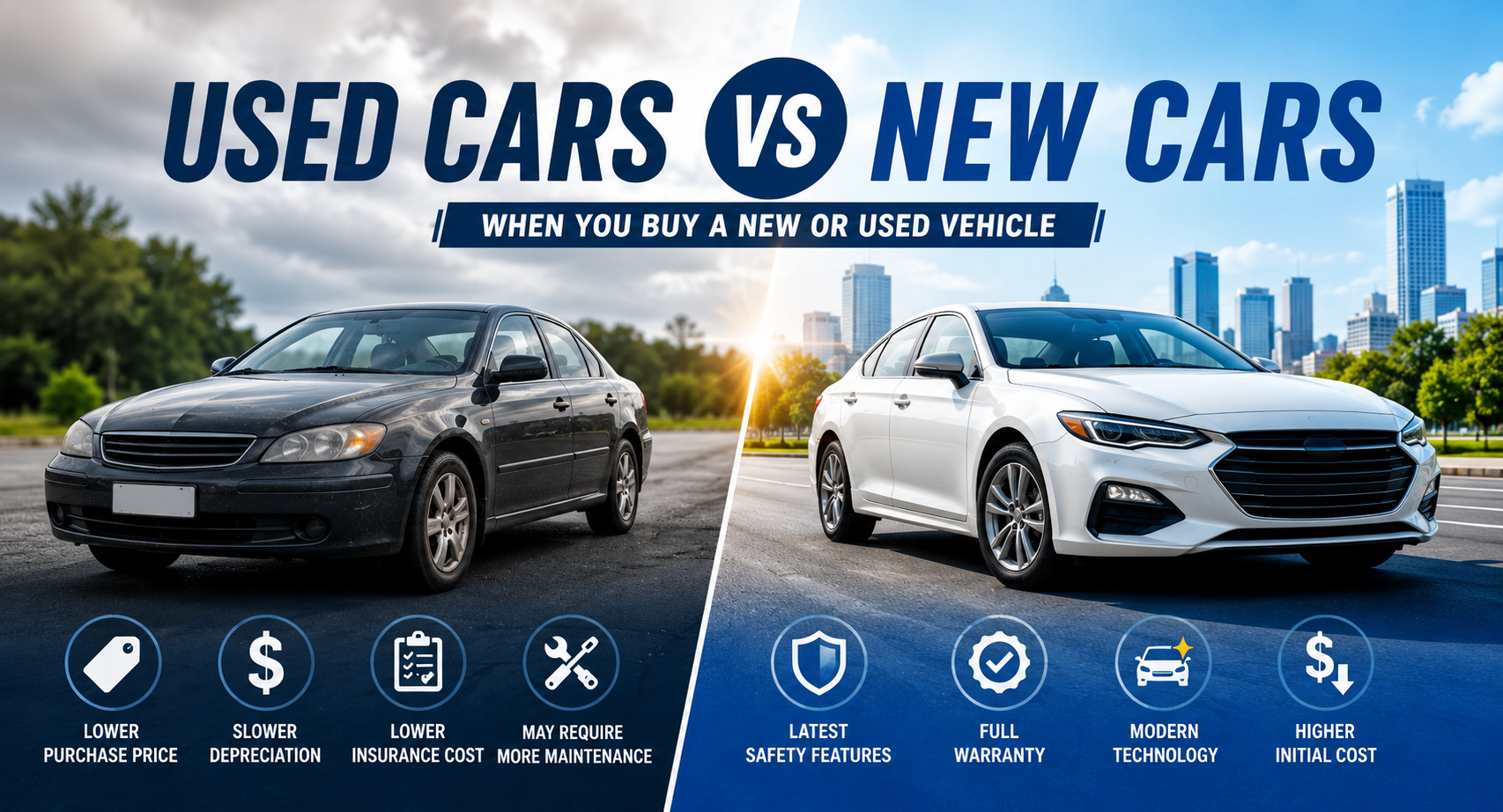
When evaluating a used vehicle, ask whether the car is certified pre-owned or a non-cpo used car because this affects your expected maintenance costs and warranty coverage. Dealers selling certified pre-owned cars frequently offer warranty packages and service plans that can reduce the long-term cost of ownership and increase the appeal of buying used vs new.
3. Will financing rates and interest rate differences make it better to buy a new or used car?
Financing a new car often comes with lower interest rate promotions from manufacturers — limited-time offers that can make buy new decisions financially attractive. Auto loan rates for new vehicles can be lower than for used vehicles, which affects monthly payments and overall cost. However, even with a slightly higher interest rate on a used car, the lower principal balance often results in lower total interest paid.
Compare car loan and auto loan offers from banks, credit unions, and dealer financing. A lower interest rate on a new car might be offset by higher depreciation and car cost. If you want to minimize monthly payments and total cost, calculating amortization for both scenarios will show whether buying new or used is the better choice.
4. How does car insurance influence whether to buy new or used?
Car insurance rates are another important factor when choosing between new cars and used cars. Brand-new cars and luxury car models usually cost more to insure because replacement parts and repair costs are higher. Used car insurance can be less expensive, especially for older cars where collision and comprehensive coverage might be optional rather than required by lenders.
When you shop for a car, request insurance quotes for both specific used vehicles and comparable new models. This helps you understand how car insurance affects your monthly budget and the total cost of ownership. If car insurance rates significantly increase with a new vehicle, buying a used car may be the better financial decision.
5. Are there pros and cons of buying a new car versus a used vehicle when it comes to reliability?
New cars come with the promise of reliability and the latest technology, sometimes making them the better choice for buyers prioritizing minimal maintenance. However, late-model used cars and reliable used vehicles can offer many of the same features at a lower price. Cars often come with advanced safety systems and improved fuel economy in newer models, but many used cars only a few years old still perform very well and have proven reliability records.
Consider vehicle history reports, maintenance records, and independent inspections when shopping for a used car to gauge reliability. Certified pre-owned cars and well-maintained late-model used cars can strike a balance between cost savings and reliability, offering an advantage of buying a used vehicle that’s dependable without the premium of a brand-new car.
6. How should I weigh the pros and cons of buying a new versus used car for technology and features?
Buy new if having the latest infotainment, safety, and comfort features matters most — new cars typically include updated technology and optional packages that may not be available in older models. The cons of buying a new car include paying a premium for those features and suffering the initial depreciation hit. If cutting-edge tech is important, a new vehicle purchase might be justified.
On the other hand, buying used often provides an affordable way to get desired features without the higher cost. Many used cars that are only a few years old will still offer tech you value, and for buyers on a budget, purchasing a used car can be a smarter way to get near-new equipment and luxury car amenities at a fraction of the price.
7. Can buying a certified pre-owned car be the best of both worlds — new and used?
Certified pre-owned vehicles combine several advantages of buying a used car with some of the security of a new car purchase. CPO cars typically include rigorous inspections, extended warranties, and sometimes special financing rates, making them an attractive middle ground for buyers deciding whether to buy new or used. Buying a CPO car can deliver peace of mind and lower car cost compared to a new vehicle.
When comparing certified pre-owned to non-cpo used cars, consider the additional warranty coverage, possible roadside assistance, and dealer support. If you want many of the benefits of a new car without the new car purchase price, shopping for a certified pre-owned vehicle is often a very good approach.
8. How do you decide whether to buy a new car based on long-term ownership and depreciation?
If you plan to keep your car for many years, depreciation may be less of a concern, and buying a new car with a full new vehicle warranty and the latest features may be a sensible choice. New car owners who intend to own their car long-term can amortize the higher initial cost over many years and enjoy the advantages of buying new, such as factory support and free maintenance programs in some cases.
Conversely, if you prefer to change cars every few years, buying a used car might reduce long-term losses from depreciation. Cars are more expensive when brand-new, and selling a new car after a short ownership period often results in larger depreciation losses compared to selling a used car that has already taken the initial value hit.
9. What risks and cons of buying a used car should you be aware of?
Buying a used car comes with potential risks: unknown crash history, hidden mechanical issues, and limited or no warranty for non-cpo used cars. It’s important to obtain a vehicle history report, have an independent mechanic inspect the car, and confirm maintenance records. These steps help mitigate the cons of buying a used car and give you confidence in your purchase.
Other cons of buying a used vehicle include potentially higher financing rates and reduced availability of certain features. If you buy a used car from a private party, there may be fewer consumer protections than buying from a trained dealership. Balancing these risks against the advantage of buying a used car — lower purchase price and slower absolute depreciation — will inform your decision.
10. How do lifestyle, intended use, and car buying goals influence whether to buy new or used?
Your lifestyle, commute, family needs, and car buying goals should strongly influence whether to buy new or used. If you need a reliable daily driver with minimal downtime for maintenance and you have the budget for higher monthly payments, a new car might be the better choice. If you want to maximize value, reduce monthly costs, and don’t require the newest model year, a used car or certified pre-owned vehicle is often the better choice.
Consider practical details: cargo space, fuel economy, safety ratings, and the type of car you need (compact, SUV, truck, or luxury car). Shopping for a car with a clear checklist of priorities helps you narrow down whether a new car purchase or buying used will best meet your needs.
11. How should you compare buying used vs buying new when shopping for a car?
When shopping for a car, create a side-by-side comparison of target models — include price, mileage (for used options), warranty coverage, estimated maintenance costs, car insurance rates, and financing offers. Use this checklist to weigh the pros and cons of buying a new model versus a used example. This process turns abstract benefits into measurable data to compare buy new or used decisions objectively.
Consider negotiating on both new and used inventory. Dealers often have room on price for both new cars and used cars, especially certified pre-owned units that move more slowly. Also, factor in incentives for new car purchases and how certified pre-owned programs or private-party deals on used cars affect the final price and financing.
12. What practical steps should I take if I decide to buy a used car rather than a brand-new car?
If you decide purchasing a used car is right for you, follow a clear process: research models with strong reliability records, get vehicle history reports, schedule independent inspections, and compare financing from banks and credit unions. Shopping for a used car from a reputable dealer or certified pre-owned program reduces many of the common concerns with buying used cars.
Other practical steps include test-driving multiple examples, verifying title and ownership history, and budgeting for immediate maintenance items like tires or brakes. Whether buying a used car from a private party or a dealership, take your time to ensure the car that’s right for you meets safety and performance expectations.
13. How do personal finances and trade-offs like lower interest rate versus higher depreciation factor into the choice?
Personal finances — including credit score, available down payment, and monthly budget — heavily influence whether to buy a new or used vehicle. A lower interest rate for a new car may make monthly payments similar to a used car loan, but depreciation and car cost still matter. Conversely, a smaller down payment on a used vehicle can keep more savings available for emergencies and reduce overall exposure.
Use an auto loan calculator to evaluate scenarios with different interest rates, loan terms, and down payments. Comparing the total cost of ownership for new car purchase and used car options, including car insurance, maintenance, and depreciation, helps you determine the better choice for your finances.
14. What are the environmental and resale considerations when choosing between new and used cars?
Buying a used car can be more environmentally friendly because it extends the useful life of existing vehicles and reduces the manufacturing demand for new cars. However, newer cars often have better fuel efficiency and lower emissions, so weigh environmental goals with the practical realities of fuel economy and technology improvements. A late-model used car may offer a good compromise.
Resale value matters too: certain brands and models hold value better, affecting long-term cost. If resale or trade-in value is important, research which models have stronger resale performance. This informs whether to buy a new car now or select a used vehicle expected to retain value over time.
15. Is buying certified pre-owned a safer route if you’re unsure whether to buy a new or used car?
If you’re unsure, buying a certified pre-owned vehicle often provides a safer route. CPO cars offer inspection-based assurance, extended warranty coverage, and sometimes special financing. They are particularly appealing if you want reduced risk and the benefit of buying used at a lower car cost than a new vehicle.
Certified pre-owned programs vary by manufacturer and dealer, so review the specifics of warranties and coverage. If peace of mind is a priority but you prefer lower upfront costs than a brand-new car, shopping for certified pre-owned is an option many buyers find satisfies both budget and reliability needs.
Conclusion: Key takeaways when deciding whether to buy a new or used car
- Compare total cost of ownership (purchase price, depreciation, insurance, maintenance, financing) rather than just sticker price.
- Certified pre-owned cars can offer a middle ground: lower cost than new with added warranty and inspections.
- Financing rates and interest rate promotions can make buying new attractive, but lower principal on used cars often lowers total interest paid.
- New cars offer the latest safety and tech; late-model used cars may deliver most of these benefits at a lower cost.
- Verify vehicle history, inspect mechanically, and shop insurance quotes when buying used to mitigate risks.
- Consider lifestyle, intended ownership length, and resale value to decide whether buy new or used is the better choice.
If you’re ready to buy a car, consider working with a trusted local dealership like Elmwood Auto Sales, a Used Car Dealer in Providence, RI. Whether you decide to buy a used car, look for certified pre owned cars, or weigh the advantages of buying a used car versus a new car, Elmwood Auto Sales can help you shop for a used car with confidence. They can assist with certified pre-owned options, financing a new or used car, and ensuring you understand warranty and car insurance implications so your car buying experience leads to the best choice for your budget and needs — whether it’s buying used vs new or choosing a new car purchase.