
Reliable Used Car Dealer Choices in RI: Why Drivers Trust Local Auto Sales
Choosing the right used car dealer can make all the difference when buying a used car in Rhode Island. Local used car dealerships across Providence, Warwick, and nearby communities build trust by offering quality vehicles, transparent pricing, and financing options that meet the buyer’s financial situation. This post explains why Rhode Island drivers consistently turn to local dealerships for reliable used cars, certified pre-owned models, and a better car buying experience.
Why do Rhode Island dealerships offer better inspection and state inspection support?
Local used car dealerships in Rhode Island know the importance of passing the state inspection and keeping buyers confident in their purchase. Reputable dealers perform thorough inspections, including engine checks, oil changes, brake inspections, and verifying mileage and emission systems. Many dealers provide vehicle history reports and documented inspections so buyers can make an informed decision and avoid surprises at the DMV or during routine maintenance.

Dealerships that prioritize inspection often provide options like extended warranty or manufacturer’s certified pre-owned programs that add peace of mind. Whether you’re buying a used car in Providence or trading in at a Warwick lot, a reliable used car dealer will share inspection results, list recent repairs, and outline any recommended future services to maintain reliability and value.
How do local used car dealerships maintain transparent pricing and fair pricing?
Transparency in pricing is a major reason drivers trust local used car dealerships. Dealerships in Rhode Island typically provide clear breakdowns of costs—vehicle price, dealer’s fees, any reconditioning charges, and available incentives. This transparent pricing approach helps buyers compare options and avoid hidden charges that can occur when dealing with less reputable sellers.
Fair pricing is supported by market-aware inventory management and competitive research. Local dealers price vehicles based on condition, mileage, vehicle history reports, and neighborhood demand, ensuring customers get value for money. Many trusted used car dealers also offer price-match considerations or transparent negotiation frameworks so buyers feel they’re getting the best used car for their budget.
What financing options do Providence dealerships provide for buying a used car?
One advantage of local used car dealerships is access to multiple car financing options. Trusted dealerships work with local lenders, credit unions, and in-house financing programs to match buyers with terms that fit their financial situation. Whether you need credit financing, low down payment plans, or help rebuilding credit, knowledgeable salespeople can connect you with a lender that offers reasonable rates and flexible terms.
Dealerships often pre-qualify buyers quickly and provide transparent explanations of payment schedules, interest charges, and total cost. Many dealers also assist with trade-in valuation and show how a trade-in can lower monthly payments—key for buyers worried about affordability when purchasing quality used vehicles or certified pre-owned cars.
Why is inventory variety important at Rhode Island auto sales dealerships?
A strong inventory lets buyers compare models, makes, mileage, and features to find the best used car. Local dealerships in Providence and Warwick typically stock sedans, SUVs, trucks, and certified pre-owned vehicles from reliable brands like Toyota, Kia, and others. This variety allows buyers to test drive multiple vehicles on the same visit, making the buying experience efficient and tailored to needs.
Inventory depth also means dealers can meet different buyer priorities—low mileage, certified pre-owned status, warranty options, or budget-friendly bargains. A reputable dealer will categorize vehicles clearly, provide vehicle history reports, and maintain high standards for reliable used cars so buyers know they’re choosing a quality vehicle backed by proper service records.
How do used car dealerships build trust through customer service and transparency?
Trustworthy used car dealers emphasize honesty, clear communication, and a helpful buying experience. Good customer service includes prompt responses to inquiries, transparent vehicle history reports, fair trade-in appraisals, and upfront discussion of warranty options and expected maintenance. Dealerships that treat buyers respectfully build long-term relationships and earn positive customer reviews.
Dealers focused on transparency provide full disclosure about repairs, past accidents, and why a vehicle is priced a certain way. This level of detail—often supported by inspection paperwork and third-party vehicle history reports—gives buyers the confidence to proceed. Many trusted used car dealerships also follow up after sale to ensure customer satisfaction and help with routine maintenance like oil changes or scheduling repairs.
Can I get warranty or extended warranty options at a local used car dealer?
Yes. Many Rhode Island used car dealerships offer warranty options, including limited warranties, extended warranty plans, and manufacturer’s certified pre-owned warranties for eligible vehicles. Warranty coverage protects buyers against unexpected repair charges and provides peace of mind when purchasing a quality used vehicle. A reliable used car dealer will explain the details—what’s covered, duration, deductible, and how to file a claim.
Extended warranty choices vary by dealer and vehicle age, so buyers should compare options and check whether local repair shops or dealer service centers are authorized to handle warranty work. A good practice is to ask about warranty transferability if you plan to sell the vehicle later, and to review customer reviews to see how smoothly warranty claims have been processed.
How do vehicle history reports and inspections affect a buyer’s decision in RI?
Vehicle history reports and detailed inspections are critical for making an informed decision when buying a used car. These reports list past ownership, accident history, title status, service records, and mileage consistency. Local dealers that provide these reports up front make it easier for buyers to compare vehicles and avoid cars with unsafe histories or title issues.
Inspections complement these reports by verifying mechanical condition and identifying needed repairs. Some dealers offer certified pre-owned vehicles that meet strict inspection standards and come with documented service histories. Combined, these resources reduce risk and support buyer confidence in the reliability and value of a used vehicle.
Are local used car dealers more reputable than national chains like CarMax for Rhode Island buyers?
Both local dealerships and national chains have pros and cons. Local used car dealers in Providence and Warwick often provide personalized service, local market knowledge, and flexibility in financing and trade-in negotiations. They frequently maintain closer ties to community lenders and credit unions and can respond to buyer needs with tailored solutions.
National chains like CarMax offer standardized processes and broad inventories, but they may lack the individualized approach and local reputation that builds trust in small communities. Many Rhode Island drivers prefer local dealers for the combination of competitive pricing, personalized financing options, and customer service that supports long-term reliability and satisfaction.
How do dealers help with trade-in, DMV paperwork, and making an informed decision?
Trusted used car dealerships streamline the buying process by handling trade-in appraisals, DMV paperwork, and title transfers. This reduces hassle for buyers and minimizes errors that can delay registration or cause extra charges. Dealerships familiar with Rhode Island DMV rules ensure state inspection timelines and registration requirements are met so buyers can drive away with confidence.
Dealers also help buyers make an informed decision by providing vehicle comparisons, explaining financing details, and offering test drives. Knowledgeable salespeople discuss maintenance costs, typical repair items by model, and how warranty options mitigate potential expenses—helpful context for selecting the next vehicle and ensuring long-term reliability.
How do customer reviews and local reputation influence the best used car choices in Rhode Island?
Customer reviews are a powerful indicator of dealership reliability and service quality. Prospective buyers often rely on online ratings, testimonials, and word-of-mouth referrals to find a trusted used car dealer. Positive reviews that highlight fair pricing, honest vehicle descriptions, and smooth financing signal a dealership that values customer satisfaction and maintains high standards.
Local reputation matters in smaller markets like Providence and Warwick where reputation spreads quickly. Dealers that consistently deliver great buying experiences, follow-through on warranty claims, and maintain quality used vehicles tend to become top choices. Reading customer reviews helps buyers assess whether a dealer’s claims about certified pre-owned vehicles, inspection rigor, and warranty options hold up in real-world interactions.
What should buyers look for when selecting a reliable used car in Rhode Island?
When selecting a used car, prioritize vehicles with complete vehicle history reports, recently completed inspections, reasonable mileage, and documented maintenance. Consider certified pre-owned cars for extra assurance, and compare warranty options and extended warranty coverage. Verify that the dealer is transparent about pricing, reconditioning charges, and any required repairs before finalizing the purchase.
Other practical steps include test driving multiple vehicles, comparing financing offers from the dealer and your credit union, checking online customer reviews, and asking about trade-in value. A trusted used car dealer will help you weigh these factors so you can make an informed decision that balances reliability, price, and long-term ownership costs.
How do local dealerships support post-sale customer service and repairs?
Post-sale support is crucial for customer satisfaction. Many Rhode Island dealerships provide service departments, scheduled maintenance, and connections to trusted repair shops. Dealers may offer oil change packages, recommended maintenance plans, and reminders for state inspection or routine service, which help preserve vehicle condition and reliability.
Responsive post-sale customer service includes easy warranty claims, prompt responses to repair requests, and assistance with parts and service scheduling. Buyers should prioritize dealerships known for after-sale support, transparent repair charges, and a customer service approach that prioritizes long-term trust over quick sales.
What role does honesty and high standards play in a dealer’s reputation in Providence and Warwick?
Honesty and high standards are the foundation of a reputable dealership. Dealers that disclose vehicle histories, offer fair pricing, and provide thorough inspections earn trust and repeat business. High standards in reconditioning, inspection, and customer interactions lead to better quality used vehicles and stronger community reputation.
Dealers committed to honesty will help buyers understand warranty options, financing implications, and maintenance responsibilities. This approach fosters buyer confidence and ensures a positive car buying experience—even when unexpected repairs occur—because customers know their dealer will support them through the ownership lifecycle.
How does choosing a local used car dealership help you find the best used car for your needs?
Local dealerships combine knowledge of the regional market with hands-on customer service to help buyers find the best used car. They can recommend models that suit Rhode Island driving conditions, explain typical repair profiles, and point buyers toward certified pre-owned cars or top-choice vehicles that meet high reliability standards. Personalized guidance reduces risk and speeds up the search for your next vehicle.
Additionally, working with a local dealer simplifies logistics like test drives, trade-ins, DMV paperwork, and state inspections. The convenience, combined with competitive financing and warranty options, makes local used car dealerships a smart choice for buyers seeking quality used vehicles and a straightforward buying experience.
How can buyers compare financing rates and warranty options before finalizing a purchase?
Buyers should request written financing offers from multiple sources: the dealership, local banks, and credit unions. Compare interest rates, loan terms, total interest paid, and any additional fees. Ask the dealership to break down the monthly payment, principal vs. interest, and how trade-in value affects the loan amount. This helps ensure you get a financing solution that fits your financial situation.
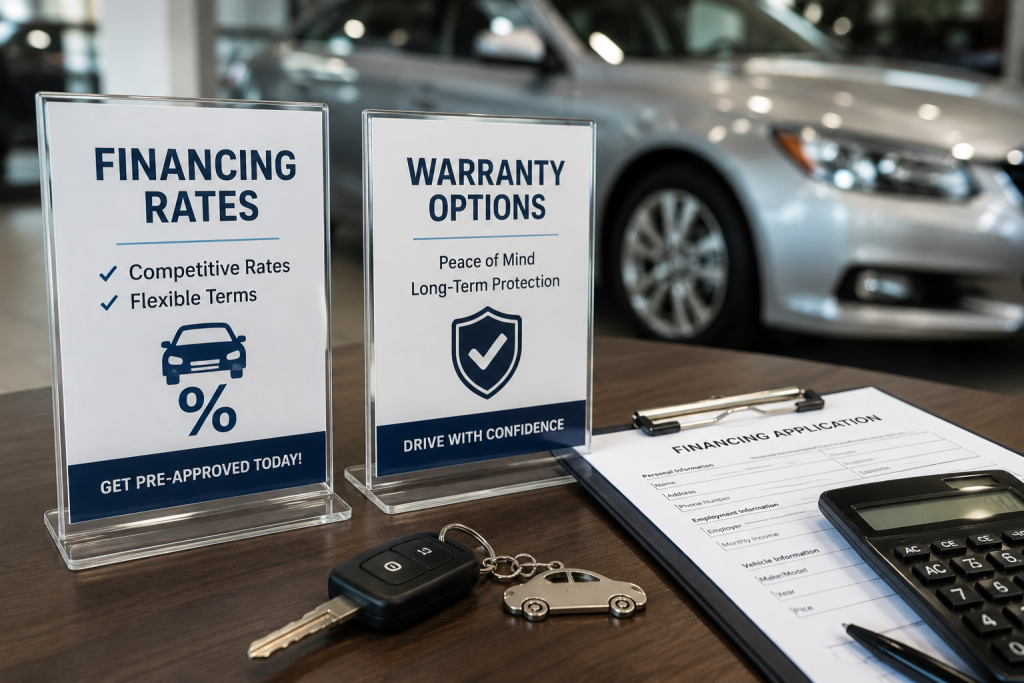
For warranties, compare coverage length, components covered, deductible amounts, and whether repairs are handled by the dealer or third-party shops. Read the fine print to understand exclusions and how to file a claim. A reputable dealer will help you weigh the benefits of manufacture’s certified pre-owned warranties versus dealer-backed extended warranty plans to achieve the best balance of protection and cost.
What steps should you take to make an informed decision when buying a used car in Rhode Island?
Follow a checklist: verify vehicle history reports, confirm mileage and inspection records, test drive the car, request a third-party inspection if desired, compare financing offers, and review warranty options. Ask for a clear, itemized price that shows all fees and reconditioning charges. Don’t hesitate to walk away if a dealer isn’t transparent or if the vehicle raises red flags.
Use resources like customer reviews, local recommendations, and state DMV resources to check for recalls or title issues. A thorough, patient approach helps you find a reliable used car that fits your budget and driving needs while avoiding unnecessary risk.
How do trusted used car dealers support buyer peace of mind in Rhode Island?
Trusted dealers provide vehicle history reports, inspection documentation, fair pricing, and financing transparency to deliver peace of mind. Offering certified pre-owned vehicles and warranty options reduces uncertainty about reliability and repair costs. When a dealer follows through on promises and offers strong post-sale support, buyers feel secure in their purchase.
Peace of mind also comes from positive customer reviews, clear communication about state inspection requirements, and trusted relationships with local lenders. Together, these factors explain why many Rhode Island drivers consistently trust local used car dealerships when buying a used vehicle.
How do local dealerships make the buying experience less stressful for first-time buyers?
Local dealerships simplify the process by guiding first-time buyers through financing options, explaining terms in plain language, and handling DMV paperwork and registration. Knowledgeable salespeople can answer questions about reliability, expected maintenance, and warranty options, making it easier to choose the right vehicle for your lifestyle and budget.
Dealers that prioritize customer education will walk you through test drives, show how features work, and provide realistic cost projections for insurance, fuel, and repairs. This hands-on support helps first-time buyers feel confident and reduces the stress associated with purchasing a used car.
Conclusion: Key takeaways for buying a used car in Rhode Island
- Local used car dealerships in RI prioritize inspections, vehicle history reports, and transparent pricing to build trust.
- Varied inventory and certified pre-owned options help buyers find quality vehicles that meet reliability standards.
- Dealerships offer financing options through lenders and credit unions to fit a buyer’s financial situation.
- Warranty and extended warranty choices add peace of mind for unexpected repairs and long-term reliability.
- Customer service, post-sale support, and positive reviews are strong indicators of a trustworthy used car dealer.
- Comparing financing rates, understanding warranty coverage, and verifying inspections are essential steps to make an informed decision.
When you’re ready to find the right next vehicle in Providence or around Rhode Island, a local used car dealership can be a top choice for quality used vehicles, fair pricing, and reliable customer service. Elmwood Auto Sales, a Used Car Dealer in Providence, RI, is an example of a trusted used car dealer that helps buyers with car financing, certified pre-owned cars, quality vehicles, buying a used car, warranty options, and transparent service so you can confidently purchase your next used vehicle.
Understanding the True Cost: Maintenance Costs of Owning a Used Car vs. a New Car
When you’re deciding whether to buy a new car or purchasing a used car, understanding the true cost of owning matters more than the sticker price. This post examines maintenance costs, repair risks, insurance, and the total cost of ownership so you can confidently weigh owning a used vehicle versus a new vehicle. Whether you’re focused on upfront costs or long-term costs, these insights help you find a car that fits your budget and lifestyle.
1. What is the true cost of owning a used car compared to a new car?
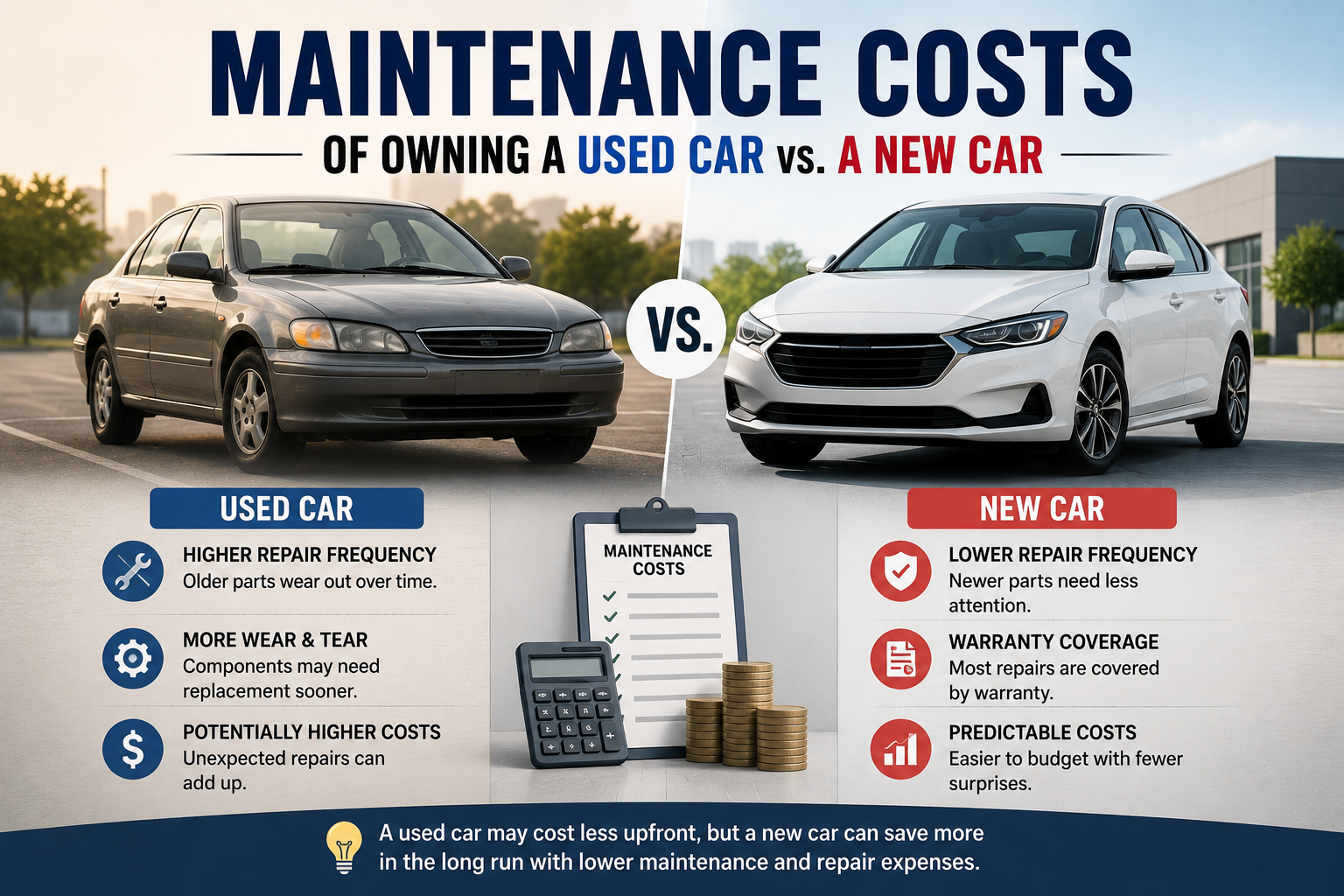
Understanding the true cost of owning means looking beyond purchase price to factors like routine maintenance, unexpected repairs, insurance costs, and fuel costs. A used car typically has lower upfront costs and slower initial depreciation, reducing the cost of owning in the short term. However, older cars may require more frequent repair and replacement parts, raising ongoing cost over time.
New cars often come with warranties and lower maintenance needs in the first few years, which can lower immediate repair costs and give predictable car maintenance schedules. To calculate the total cost of ownership, add purchase price, insurance, fuel, routine maintenance, and estimated repair costs over the period you plan to own the vehicle.
2. How do repair costs differ between used vehicle and new vehicles?
Repair costs for used cars tend to be higher and less predictable because older cars may have worn components and out-of-warranty systems. Repair costs can spike for major components like transmissions or engines, especially if regular maintenance was neglected by prior owners. Buying certified pre-owned or getting a pre-purchase inspection can reduce the risk of unexpected repairs.
New vehicles usually experience lower repair costs initially because factory warranties cover many repair items and new cars often come with maintenance packages. However, repair costs increase after warranties expire, and some new vehicles with advanced technology can be costly to fix when repair needs arise.
3. How do maintenance costs impact the total cost of ownership for car ownership?
Maintenance costs are a major component of the total cost of ownership. Regular maintenance—oil changes, brake pads, tires, and scheduled inspections—helps prevent expensive repairs and supports the car’s resale value. Owning a used car typically requires more frequent maintenance checks, and older cars may need parts replaced sooner.
For new cars, manufacturer-recommended routine maintenance is often less intensive during the warranty period, reducing short-term maintenance costs. Still, long-term costs of owning a new car include scheduled major services and potential higher costs for OEM parts when the car ages.
4. Will insurance costs change if I buy a used car or buy a new car?
Insurance costs vary by vehicle, age, safety features, and value. Generally, owning a used car leads to lower insurance costs because replacement costs for used vehicles are lower. New cars often carry higher premiums due to higher replacement values and more advanced, expensive-to-repair systems.
Factors like lower insurance costs for certain models, safety features, anti-theft devices, and your driving record influence your policy. Comparing quotes for both new and used options is essential when calculating the full cost of car ownership and deciding whether to buy a new car or a used one.
5. How much does depreciation affect the cost of owning a new vs used car?
Depreciation is one of the biggest hidden costs of owning a car. New cars often suffer the steepest depreciation in the first few years — potentially losing 20–30% of their value within the first year — which dramatically impacts the total cost of ownership. Buying a used car usually results in less steep depreciation since the original owner absorbed the largest drop.
The true cost of owning takes depreciation into account because it affects resale value and overall car cost across ownership time. If minimizing long-term costs is your goal, buying a slightly used vehicle or certified pre-owned can balance lower purchase price with reasonable maintenance needs.
6. What routine maintenance should I expect for used cars and new cars?
Routine maintenance for any vehicle typically includes oil changes, filter replacements, tire rotation and replacement, brake inspection, fluid top-ups, and scheduled services per the maintenance schedule. Older cars may require more frequent attention to suspension components, belts, and hoses, while new cars benefit from recent replacements and manufacturer care programs.
Keeping up with regular maintenance reduces repair costs and helps avoid unexpected repairs that older cars may face. Documented maintenance history when buying used can also lower the risk of future problems and influence long-term ownership costs.
7. How do unexpected repairs affect the maintenance costs of owning a used car vs. a new car?
Unexpected repairs can dramatically change the cost of owning a used car. Older cars may have hidden issues that surface after purchase, creating spikes in repair costs. A pre-purchase inspection and budgeting for a repair reserve can mitigate the financial shock of sudden failures.
New cars are less likely to need major repairs early on thanks to warranties, but once the warranty expires, repair costs can rise and sometimes be higher than for simpler older cars. Comparing repair trends for specific models and considering extended warranties are ways to manage long-term repair costs.
8. Is the cost of car ownership lower for a new car or a used one in the long term?
Long-term costs depend on how long you plan to own the vehicle, maintenance habits, and the model’s reliability. Owning a used car can be less expensive overall if you buy a reliable used vehicle, maintain it diligently, and avoid high-mileage purchases with unknown histories. The lower purchase price and slower depreciation often make the total cost of ownership attractive.
Conversely, owning a new car can offer lower maintenance costs early on and fewer unexpected repairs, which some drivers prefer for predictable car ownership. Calculate total lifecycle costs—including insurance, fuel costs, and repair costs—to determine which option aligns with your budget and priorities.
9. What role does purchasing a used or new car play in ongoing cost and ownership costs?
The choice to buy a used or buy a new car sets the tone for ongoing costs. Purchasing a used car often reduces upfront costs and initial depreciation, but it can increase the probability of repair costs and higher routine maintenance. Researching vehicle history, service records, and model reliability can lower long-term ownership costs.
Buying new increases upfront costs and initial depreciation, but new cars often include manufacturer incentives, warranties, and lower maintenance costs in the early years. Look at the true cost of ownership over the period you plan to keep the vehicle to decide which purchase aligns with your financial goals.
10. How can I minimize maintenance costs whether I buy a new car or a used one?
You can reduce ownership costs through preventive maintenance, thorough inspections before purchase, and selecting reliable models with lower repair costs. Regular maintenance, using quality parts, and choosing vehicles with good reliability ratings help lower both routine and unexpected repair costs. Consider Certified Pre-Owned options to combine lower purchase price with warranty protection.
Other strategies include comparing insurance costs for different models, keeping your mileage reasonable, and following the maintenance schedule recommended by manufacturers. Budgeting for ongoing cost and building a repair fund can ease the financial burden of owning a car—new or used.
11. What should I look for when buying a used car to avoid high maintenance costs?
When buying used, inspect service records, look for signs of consistent regular maintenance, check for accident history, and have a trusted mechanic perform a pre-purchase inspection. Older cars may have deferred maintenance or hidden issues that will increase future repair costs, so verifying the vehicle’s maintenance schedule and condition is crucial.
Consider market data on the cost of ownership for specific used models, focusing on reliability and parts availability. Choosing popular models with lower repair costs and lower insurance costs can reduce the total cost of ownership and make your used car purchase a smarter financial decision.
12. Are there cost benefits to buying a certified pre-owned used vehicle?
Certified pre-owned (CPO) vehicles balance lower purchase price with assurances like extended warranties, inspection, and sometimes included maintenance plans. CPO vehicles can narrow the gap between new and used maintenance costs because they often come with limited repair coverage and a documented maintenance history.
While CPO cars can cost more than typical used cars, the reduced risk of unexpected repairs and predictable ownership costs can make the total cost of ownership lower in practice. For buyers prioritizing certainty and lower repair risk, CPO can be an appealing middle ground between new and used.
13. How do fuel and other ownership costs compare for new and used cars?
Fuel costs and other day-to-day expenses contribute to the cost of car ownership. New vehicles often have improved fuel efficiency and modern engine technology that reduce fuel costs compared to older cars. However, many late-model used cars also offer good fuel economy, narrowing this advantage.
Other ownership costs—like registration, taxes, and emissions testing—vary by state and vehicle age. Older cars may face higher costs if they fail inspections or require emission-related repairs, so factor these into the true cost of used car ownership.
14. Should I buy a new or used vehicle to meet my budget and long-term goals?
Your decision to buy a new or used vehicle should be grounded in an honest assessment of your budget, risk tolerance for repairs, and how long you plan to keep the car. If you prioritize lower upfront cost and slower depreciation, buying used is attractive. If you prefer lower early maintenance and predictable costs, buying a new car may be best.
Consider financing rates, insurance costs, and expected maintenance costs for the specific models you’re evaluating. A side-by-side comparison of total cost of ownership over your planned ownership horizon will reveal the more economical path for your situation.
15. What are the real-world examples of cost differences between new and used cars?
Real-world comparisons often show that a three-year-old used car can cost significantly less to buy and still have comparable maintenance costs to a new car out of warranty. For example, a used one with documented service records may have lower monthly cost of owning due to reduced loan payments and slower depreciation.
On the other hand, a new car might save you money on early repair costs and lower insurance if it has strong safety ratings. Use model-specific cost-of-ownership calculators and historical repair cost data to compare the true cost of owning various new and used vehicles.
16. How does the maintenance schedule influence the ongoing cost of car ownership?
Following the manufacturer’s maintenance schedule is one of the most effective ways to control long-term maintenance costs. Regular services prevent small issues from becoming expensive repairs and preserve the car’s value. For used cars, verifying adherence to the recommended maintenance schedule can predict future repair needs and ownership costs.
New cars come with clear maintenance intervals and often include initial service plans, which smooth out early ownership costs. Regardless of new or used, establishing a maintenance routine and keeping records will minimize unexpected expenses and support higher resale value.
17. What financing and warranty options help reduce maintenance costs after a used car purchase?
Financing terms and warranties affect the total cost of ownership. Lower interest rates reduce monthly car cost, and extended warranties or service plans can cap repair costs for used vehicles. Many lenders and dealers offer extended warranties or certified pre-owned programs that provide some protection against expensive repairs.
When considering warranties, weigh the cost of the warranty against expected repair costs for your chosen model. For older cars with higher repair risks, extended coverage might be a wise investment to manage the ongoing cost of ownership.
18. How can I estimate the average cost of owning a new vs used car over five years?
To estimate average cost over five years, calculate the purchase price minus expected resale value (depreciation), add insurance, fuel, regular maintenance, and projected repair costs. Tools like total cost of ownership calculators and model reliability reports help produce realistic estimates. Remember that buying used reduces depreciation but may increase repair probabilities.
Make separate estimates for new and used scenarios using the same ownership timeline. Compare totals to pinpoint whether lower upfront costs or lower early maintenance better align with your financial goals and practical needs.
19. What are the top tips to lower car maintenance costs regardless of new or used?
Top tips include following the maintenance schedule, using quality replacement parts, keeping tires properly inflated, and addressing small issues early to avoid costly repairs. Shopping around for service and parts, maintaining a repair fund, and choosing models with low repair costs will reduce the full cost of owning a vehicle.
Also, consider joining owner forums and researching common failures for the car you’re considering. Proactive care and informed purchasing reduce the likelihood of unexpected repairs and lower the lifetime cost of vehicle ownership.
20. How does choosing the right model impact the total cost of ownership?
Model selection significantly affects maintenance and repair costs because reliability, parts availability, and known mechanical issues differ across makes and models. Researching the true cost of ownership for specific models helps you avoid cars with high repair costs and expensive parts.
Opt for vehicles with strong reliability ratings, lower insurance costs, and accessible service networks. These choices make owning a car—new or used—more affordable over time and help you meet long-term budget goals.
Summary: Key takeaways
- Used car vs new car: used cars usually have lower upfront purchase price and slower depreciation but may have higher repair and maintenance costs over time.
- New cars often offer lower early maintenance costs, warranties, and predictable service schedules, but steep depreciation increases total cost of ownership.
- Insurance costs are often lower for used cars, though model and safety features influence premiums.
- Routine maintenance prevents expensive repairs—follow the manufacturer’s maintenance schedule regardless of new or used.
- Certified pre-owned vehicles can provide a middle ground with reduced risk and lower long-term maintenance costs.
- Estimate total cost of ownership by including depreciation, insurance, fuel, routine maintenance, and potential repair costs for an accurate comparison.
When you’re ready to buy a used car, consider a trusted local dealer like Elmwood Auto Sales, a Used Car Dealer in Providence, RI, to help with a careful used car purchase. They can guide you on car maintenance expectations, help you compare used car vs new car maintanance cost, and assist you to buy a used car that fits your budget and long-term ownership goals.
Should You Buy a New or Used Car? Complete Buyer’s Guide
Deciding whether to buy a new car or purchase a used car is one of the biggest financial choices many people make. Whether you’re buying a new vehicle for the first time or considering buying a used car instead, understanding the trade-offs — from car cost and warranty to interest rate and car insurance — helps you make a better choice. This guide explores the most important factors to consider when deciding between a used or new car so you can find the right car and enjoy peace of mind with your purchase.
1. Should I consider used cars or buy a new car based on price and car cost?
One of the clearest differences between new cars and used cars is car cost. New cars typically cost more up front and depreciate faster in the first few years, while used vehicles, especially late-model used cars, often offer much better initial value. If your budget is tight or you prefer lower monthly payments, buying a used car might be a better choice because the purchase price and the need for a large down payment are usually lower.
When shopping for a car, compare the total cost of ownership — including registration, taxes, car insurance rates, and expected maintenance — rather than just the sticker price. Buying a new car can mean higher car insurance and a higher new car purchase price, but sometimes financing rates or manufacturer incentives make buy new options competitive. For many buyers, the advantage of buying a used vehicle is clear: lower purchase price and immediate avoidance of the steepest depreciation.
2. How do warranty and certified pre-owned options affect buying a new or used car?
A major advantage of buying a new car is the factory warranty that comes with a brand-new car purchase — often providing peace of mind with bumper-to-bumper coverage for several years. Conversely, buying a used car traditionally carried the risk of no warranty, but that has changed with certified pre-owned (CPO) programs. Certified pre-owned cars and cpo cars from dealerships undergo inspections and often include extended warranties, blending some benefits of new cars with the lower cost of used vehicles.
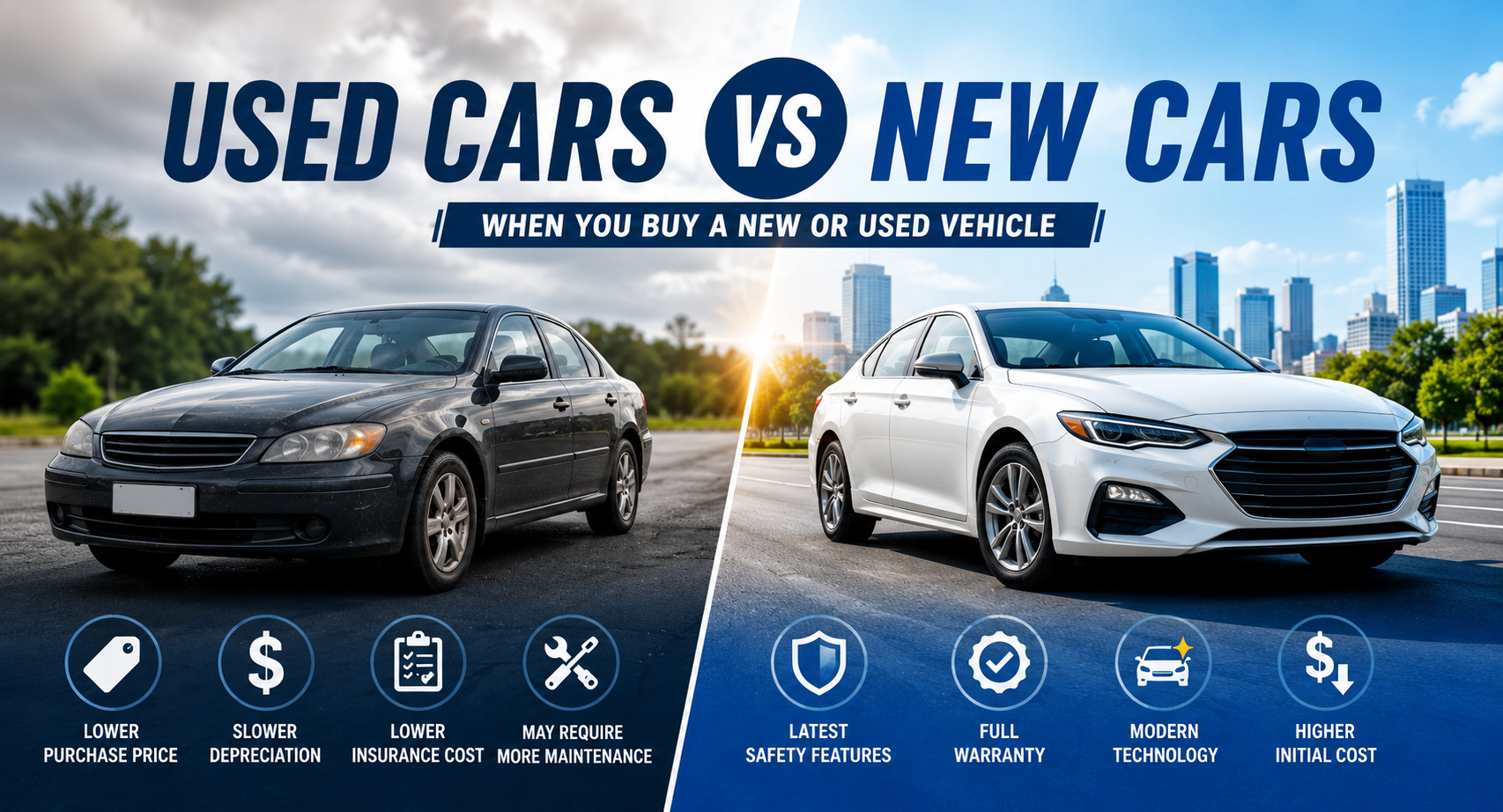
When evaluating a used vehicle, ask whether the car is certified pre-owned or a non-cpo used car because this affects your expected maintenance costs and warranty coverage. Dealers selling certified pre-owned cars frequently offer warranty packages and service plans that can reduce the long-term cost of ownership and increase the appeal of buying used vs new.
3. Will financing rates and interest rate differences make it better to buy a new or used car?
Financing a new car often comes with lower interest rate promotions from manufacturers — limited-time offers that can make buy new decisions financially attractive. Auto loan rates for new vehicles can be lower than for used vehicles, which affects monthly payments and overall cost. However, even with a slightly higher interest rate on a used car, the lower principal balance often results in lower total interest paid.
Compare car loan and auto loan offers from banks, credit unions, and dealer financing. A lower interest rate on a new car might be offset by higher depreciation and car cost. If you want to minimize monthly payments and total cost, calculating amortization for both scenarios will show whether buying new or used is the better choice.
4. How does car insurance influence whether to buy new or used?
Car insurance rates are another important factor when choosing between new cars and used cars. Brand-new cars and luxury car models usually cost more to insure because replacement parts and repair costs are higher. Used car insurance can be less expensive, especially for older cars where collision and comprehensive coverage might be optional rather than required by lenders.
When you shop for a car, request insurance quotes for both specific used vehicles and comparable new models. This helps you understand how car insurance affects your monthly budget and the total cost of ownership. If car insurance rates significantly increase with a new vehicle, buying a used car may be the better financial decision.
5. Are there pros and cons of buying a new car versus a used vehicle when it comes to reliability?
New cars come with the promise of reliability and the latest technology, sometimes making them the better choice for buyers prioritizing minimal maintenance. However, late-model used cars and reliable used vehicles can offer many of the same features at a lower price. Cars often come with advanced safety systems and improved fuel economy in newer models, but many used cars only a few years old still perform very well and have proven reliability records.
Consider vehicle history reports, maintenance records, and independent inspections when shopping for a used car to gauge reliability. Certified pre-owned cars and well-maintained late-model used cars can strike a balance between cost savings and reliability, offering an advantage of buying a used vehicle that’s dependable without the premium of a brand-new car.
6. How should I weigh the pros and cons of buying a new versus used car for technology and features?
Buy new if having the latest infotainment, safety, and comfort features matters most — new cars typically include updated technology and optional packages that may not be available in older models. The cons of buying a new car include paying a premium for those features and suffering the initial depreciation hit. If cutting-edge tech is important, a new vehicle purchase might be justified.
On the other hand, buying used often provides an affordable way to get desired features without the higher cost. Many used cars that are only a few years old will still offer tech you value, and for buyers on a budget, purchasing a used car can be a smarter way to get near-new equipment and luxury car amenities at a fraction of the price.
7. Can buying a certified pre-owned car be the best of both worlds — new and used?
Certified pre-owned vehicles combine several advantages of buying a used car with some of the security of a new car purchase. CPO cars typically include rigorous inspections, extended warranties, and sometimes special financing rates, making them an attractive middle ground for buyers deciding whether to buy new or used. Buying a CPO car can deliver peace of mind and lower car cost compared to a new vehicle.
When comparing certified pre-owned to non-cpo used cars, consider the additional warranty coverage, possible roadside assistance, and dealer support. If you want many of the benefits of a new car without the new car purchase price, shopping for a certified pre-owned vehicle is often a very good approach.
8. How do you decide whether to buy a new car based on long-term ownership and depreciation?
If you plan to keep your car for many years, depreciation may be less of a concern, and buying a new car with a full new vehicle warranty and the latest features may be a sensible choice. New car owners who intend to own their car long-term can amortize the higher initial cost over many years and enjoy the advantages of buying new, such as factory support and free maintenance programs in some cases.
Conversely, if you prefer to change cars every few years, buying a used car might reduce long-term losses from depreciation. Cars are more expensive when brand-new, and selling a new car after a short ownership period often results in larger depreciation losses compared to selling a used car that has already taken the initial value hit.
9. What risks and cons of buying a used car should you be aware of?
Buying a used car comes with potential risks: unknown crash history, hidden mechanical issues, and limited or no warranty for non-cpo used cars. It’s important to obtain a vehicle history report, have an independent mechanic inspect the car, and confirm maintenance records. These steps help mitigate the cons of buying a used car and give you confidence in your purchase.
Other cons of buying a used vehicle include potentially higher financing rates and reduced availability of certain features. If you buy a used car from a private party, there may be fewer consumer protections than buying from a trained dealership. Balancing these risks against the advantage of buying a used car — lower purchase price and slower absolute depreciation — will inform your decision.
10. How do lifestyle, intended use, and car buying goals influence whether to buy new or used?
Your lifestyle, commute, family needs, and car buying goals should strongly influence whether to buy new or used. If you need a reliable daily driver with minimal downtime for maintenance and you have the budget for higher monthly payments, a new car might be the better choice. If you want to maximize value, reduce monthly costs, and don’t require the newest model year, a used car or certified pre-owned vehicle is often the better choice.
Consider practical details: cargo space, fuel economy, safety ratings, and the type of car you need (compact, SUV, truck, or luxury car). Shopping for a car with a clear checklist of priorities helps you narrow down whether a new car purchase or buying used will best meet your needs.
11. How should you compare buying used vs buying new when shopping for a car?
When shopping for a car, create a side-by-side comparison of target models — include price, mileage (for used options), warranty coverage, estimated maintenance costs, car insurance rates, and financing offers. Use this checklist to weigh the pros and cons of buying a new model versus a used example. This process turns abstract benefits into measurable data to compare buy new or used decisions objectively.
Consider negotiating on both new and used inventory. Dealers often have room on price for both new cars and used cars, especially certified pre-owned units that move more slowly. Also, factor in incentives for new car purchases and how certified pre-owned programs or private-party deals on used cars affect the final price and financing.
12. What practical steps should I take if I decide to buy a used car rather than a brand-new car?
If you decide purchasing a used car is right for you, follow a clear process: research models with strong reliability records, get vehicle history reports, schedule independent inspections, and compare financing from banks and credit unions. Shopping for a used car from a reputable dealer or certified pre-owned program reduces many of the common concerns with buying used cars.
Other practical steps include test-driving multiple examples, verifying title and ownership history, and budgeting for immediate maintenance items like tires or brakes. Whether buying a used car from a private party or a dealership, take your time to ensure the car that’s right for you meets safety and performance expectations.
13. How do personal finances and trade-offs like lower interest rate versus higher depreciation factor into the choice?
Personal finances — including credit score, available down payment, and monthly budget — heavily influence whether to buy a new or used vehicle. A lower interest rate for a new car may make monthly payments similar to a used car loan, but depreciation and car cost still matter. Conversely, a smaller down payment on a used vehicle can keep more savings available for emergencies and reduce overall exposure.
Use an auto loan calculator to evaluate scenarios with different interest rates, loan terms, and down payments. Comparing the total cost of ownership for new car purchase and used car options, including car insurance, maintenance, and depreciation, helps you determine the better choice for your finances.
14. What are the environmental and resale considerations when choosing between new and used cars?
Buying a used car can be more environmentally friendly because it extends the useful life of existing vehicles and reduces the manufacturing demand for new cars. However, newer cars often have better fuel efficiency and lower emissions, so weigh environmental goals with the practical realities of fuel economy and technology improvements. A late-model used car may offer a good compromise.
Resale value matters too: certain brands and models hold value better, affecting long-term cost. If resale or trade-in value is important, research which models have stronger resale performance. This informs whether to buy a new car now or select a used vehicle expected to retain value over time.
15. Is buying certified pre-owned a safer route if you’re unsure whether to buy a new or used car?
If you’re unsure, buying a certified pre-owned vehicle often provides a safer route. CPO cars offer inspection-based assurance, extended warranty coverage, and sometimes special financing. They are particularly appealing if you want reduced risk and the benefit of buying used at a lower car cost than a new vehicle.
Certified pre-owned programs vary by manufacturer and dealer, so review the specifics of warranties and coverage. If peace of mind is a priority but you prefer lower upfront costs than a brand-new car, shopping for certified pre-owned is an option many buyers find satisfies both budget and reliability needs.
Conclusion: Key takeaways when deciding whether to buy a new or used car
- Compare total cost of ownership (purchase price, depreciation, insurance, maintenance, financing) rather than just sticker price.
- Certified pre-owned cars can offer a middle ground: lower cost than new with added warranty and inspections.
- Financing rates and interest rate promotions can make buying new attractive, but lower principal on used cars often lowers total interest paid.
- New cars offer the latest safety and tech; late-model used cars may deliver most of these benefits at a lower cost.
- Verify vehicle history, inspect mechanically, and shop insurance quotes when buying used to mitigate risks.
- Consider lifestyle, intended ownership length, and resale value to decide whether buy new or used is the better choice.
If you’re ready to buy a car, consider working with a trusted local dealership like Elmwood Auto Sales, a Used Car Dealer in Providence, RI. Whether you decide to buy a used car, look for certified pre owned cars, or weigh the advantages of buying a used car versus a new car, Elmwood Auto Sales can help you shop for a used car with confidence. They can assist with certified pre-owned options, financing a new or used car, and ensuring you understand warranty and car insurance implications so your car buying experience leads to the best choice for your budget and needs — whether it’s buying used vs new or choosing a new car purchase.
Know About Used Car Warranties: A Guide to Understanding the Warranty on a Used Car
Buying a used car can save money upfront, but understanding the warranty on a used car is vital to avoid unexpected repair costs and gain peace of mind. This guide explains used car warranties, extended warranties for used vehicles, warranty coverage basics, types of warranty plans, and how to evaluate warranty worth when you’re purchasing a used vehicle. Whether you’re buying from a dealership, a private seller, or considering certified pre-owned (CPO) options, knowing about used car warranties will help you make a smarter, less risky purchase.
1. What are the common types of used car warranties and warranty coverage?
When evaluating warranty options, it’s important to understand the main types of used car warranties you may encounter. Typical warranty types include powertrain warranty, bumper-to-bumper warranties, factory warranty (original manufacturer’s warranty), certified pre-owned (CPO) warranty, dealer warranty, and third-party extended warranties. Each type of warranty defines what it covers — for example, a powertrain warranty often focuses on engine, transmission, and drivetrain components, while bumper-to-bumper warranties aim to cover most vehicle systems, except for routine wear items.
Warranty coverage varies substantially, so read the warranty agreement carefully to know what is covered under a used car. A factory warranty may still be active if the car is relatively new, while a used-car warranty offered by a dealer or third-party warranty company can fill gaps or provide extended protection. Warranties for used cars often list exclusions: routine maintenance, wear-and-tear items, and pre-existing damage are commonly not covered, so confirm warranty documents and ask the warranty provider for clarification.
2. How much does a warranty cost, and what affects warranty cost?
Warranty cost depends on several factors, including the vehicle’s age, mileage, make and model, the type of warranty, and the length and level of coverage. Extended warranties for used cars generally cost more for older, higher-mileage vehicles because the risk of repair increases. Warranty companies and dealership warranty plans will price coverage based on predicted repair costs, labor rates, and parts pricing. When considering extended car warranties, compare quotes from multiple warranty providers to find the best warranty for your budget and needs.
Other factors that influence warranty cost include deductible choices, coverage limits, and whether the warranty includes additional services such as roadside assistance or rental car reimbursement. Some dealerships bundle an extended warranty with a used vehicle sale, which can be convenient but might not be the best price. Shop around for third-party extended warranties or ask the dealer to show you the price breakdown to understand exactly what you’re paying for when adding warranty protection.
3. What does a warranty on a used car typically cover, and what does it not cover?
Understanding what a warranty covers is essential to avoid surprises. A warranty on a used car could cover major mechanical components like the engine, transmission, and drivetrain when you purchase a powertrain warranty. Bumper-to-bumper warranties for used vehicles may provide broader coverage but often exclude routine maintenance and wear items such as brake pads, tires, and wiper blades. The warranty agreement will outline covered parts, labor, and any caps on repair costs or the number of claims.
Common exclusions include damage from accidents, misuse, environmental damage, and modifications. Warranties for used cars also typically do not cover regular maintenance like oil changes, filters, and bulbs. If warranties for used include specific systems—like electronics or HVAC—verify whether aftermarket parts or previously repaired systems are excluded. Always ask the dealer or warranty provider to clarify what the warranty does not cover and request the warranty documents in writing.
4. Can a used car still be under a factory warranty or original manufacturer’s warranty?
Yes, a used vehicle may still be under the original factory warranty depending on the car’s age and mileage. New car warranties often include a limited factory warranty and a powertrain warranty that can transfer to subsequent owners until the coverage expires. When you buy a used car, check the manufacturer’s warranty status by reviewing warranty documents or using the vehicle identification number (VIN) to check with the manufacturer. If the original factory warranty is still active, this can be one of the best warranty benefits you get with a used car.
Keep in mind that factory warranty coverage can vary: some warranties are limited in scope while others offer comprehensive protection. Manufacturer warranties can provide better coverage and peace of mind compared to some third-party options, and certain repairs may need to be performed at authorized dealerships to remain covered. If the factory warranty expires soon, consider extended warranties for used vehicles to protect against imminent repair costs.
5. Are extended warranties for used cars worth the cost?
Deciding if extended warranties for used cars are worth the cost depends on your risk tolerance, anticipated repair costs, and the reliability of the vehicle you are buying. Extended warranty plans can provide peace of mind by covering expensive repairs that might otherwise be paid out-of-pocket. For higher-mileage or older vehicles where the factory warranty has expired, an extended warranty can reduce the financial risk of major mechanical failure and limit unexpected repair costs.
However, not all extended car warranties offer the same level of coverage or value. Compare the best warranty options by reviewing coverage limits, exclusions, claim processes, and warranty company reputation. Third-party warranty companies vary widely in service quality, so research reviews, check for complaint histories, and ask whether the warranty provider will allow repairs at local repair shops or require dealer service. If the warranty cost is disproportionate to the vehicle’s value or reliability, you may opt to budget for potential repairs instead.
6. How do dealer warranties and dealership warranty offers compare to third-party plans?
Dealer warranties or dealership-provided used-car warranty coverage often come bundled with the vehicle sale and can be conveniently arranged at the point of purchase. Dealership warranties may include limited coverage, short-term dealer warranty, or retailer-backed extended warranties. Some car dealerships offer their own warranty options, while others resell third-party extended warranty plans. Always confirm who is actually administering the warranty: the dealer, a third-party warranty company, or the manufacturer.
Third-party warranty providers may offer more flexible terms, competitive pricing, or different levels of coverage tailored to used vehicles. But warranty companies also vary in reliability and claim satisfaction. Ask for a detailed warranty agreement, compare service networks, and check whether a dealer’s warranty requires you to return to the selling dealership for claims. The best approach is to weigh warranty worth, cost, and convenience against the quality and range of warranty coverage.
7. What is a certified pre-owned (CPO) warranty, and how does it differ from other warranties?
A certified pre-owned (CPO) warranty is an extended warranty provided by the manufacturer or an authorized dealer for used vehicles that pass a detailed inspection and meet specific criteria. CPO warranties often extend the original factory warranty or add additional coverage, making them one of the strongest warranty options for buying a used car. CPO vehicles typically include additional benefits such as roadside assistance, multi-point inspections, and limited vehicle protection plans designed to provide higher confidence to buyers.
CPO warranties usually cost more than non-certified used cars, but they often represent better value because of more comprehensive coverage and the backing of the manufacturer. CPO warranty coverage varies by brand, so understand the specific terms, how long the CPO warranty lasts, and what is required to maintain coverage. For many buyers, a certified pre-owned car with a solid CPO warranty is a compelling blend of new car-like assurances and a lower price.
8. How do I file a warranty claim, and what documentation do I need?
Filing a warranty claim typically begins by contacting the warranty provider—this may be the dealer, manufacturer, or a third-party warranty company. You will need the warranty agreement, vehicle VIN, service records, and a clear description of the problem. Some warranties require pre-authorization before you proceed with repairs, so confirm whether prior approval is necessary to avoid denial of the claim. Keep copies of all repair invoices and diagnostic reports as proof for the warranty claim.
Different warranty providers have different claim processes. Manufacturer and dealer warranties may require you to visit an authorized service center or dealership for diagnosis and repairs, while some third-party warranty companies allow you to choose a local certified mechanic. If a claim is denied, review the warranty agreement to understand the reason—common denials include exclusion items, lack of maintenance, or pre-existing conditions. Escalate disputes by contacting warranty companies, state consumer protection agencies, or your car dealer if needed.
9. What should I look for in a warranty agreement before I buy a used car?
Before purchasing a used vehicle, scrutinize the warranty agreement to understand warranty coverage, exclusions, claim procedures, coverage limits, deductibles, and duration. Check if the warranty is transferable to a new owner, especially if you plan to sell the car later. Look for specifics about repair costs covered, whether parts and labor are included, and if there are caps per repair or cumulative claim caps. Also, determine whether roadside assistance, towing, and rental car reimbursement are included in the warranty plan.
Ask the dealer or warranty provider direct questions: Who is the warranty provider? What is the warranty cost and deductible? Are there required maintenance schedules to keep coverage valid? Read the fine print for what the warranty may exclude, such as pre-existing conditions, modifications, or commercial use. Getting the warranty documents in writing and allowing a trusted mechanic to inspect the vehicle will help you avoid unpleasant surprises after purchase.
10. How can I evaluate warranty companies and find the best warranty for my used car?
Evaluating warranty companies involves comparing customer reviews, claim approval rates, Better Business Bureau (BBB) ratings, and consumer complaint histories. A reputable warranty provider should have clear contract terms, a straightforward claims process, and a transparent list of what the warranty covers. Request sample contracts, ask about approved repair shops, and verify whether the warranty requires use of specific dealerships or allows independent mechanics. These factors influence both convenience and your ability to minimize repair costs.
Compare extended warranty plans side-by-side for coverage categories, exclusions, deductibles, and caps. Consider whether the warranty aligns with the car’s reliability profile and your intended use of the vehicle. For buyers seeking maximum peace of mind, factory-backed CPO warranties or manufacturer’s extended warranties may be the best warranty option. For budget-conscious buyers, third-party extended warranties might be more affordable but require careful vetting of warranty companies to ensure they will honor claims fairly.
11. How long should I expect warranty coverage to last, and what happens when the warranty expires?
Warranty length varies by type: manufacturer’s warranties and CPO warranties often specify years or miles (e.g., 5 years/60,000 miles), while dealer or third-party extended warranties may be offered for different timeframes and mileage limits. When evaluating warranty options, consider both the remaining factory warranty and any extended warranty duration. A longer warranty period can reduce the likelihood of paying out-of-pocket for major repairs during your ownership.
When the warranty expires, the car owner becomes responsible for subsequent repair costs unless an extended warranty is purchased or another warranty option is available. Budget for potential repair costs or consider purchasing additional coverage before the current warranty expires. Some warranty providers offer renewal options, but renewal terms can change, and premiums may increase with vehicle age and mileage. Keep maintenance records up to date to demonstrate proper care and potentially improve renewal prospects.
12. What precautions should I take to protect my warranty and avoid denied claims?
To protect your warranty and avoid denied claims, adhere strictly to the warranty’s maintenance requirements and keep detailed service records. Many warranties require routine maintenance to be performed at specified intervals; failure to comply can be grounds for denial. Use authorized parts or follow the warranty instructions for repairs and service locations if required, and always get pre-authorization when the warranty mandates it for certain repairs.
Document everything: receipts, service logs, and any warranty correspondence. If a repair turns into a warranty claim, having complete documentation will streamline approval and reduce disputes. Before purchasing a used car, request a vehicle history report and have a trusted mechanic inspect the car to identify pre-existing issues that could affect future coverage. Being proactive about maintenance and understanding warranty terms helps ensure the warranty remains valid and that warranty claims are honored.
13. How does warranty coverage influence the decision to buy a used car versus a new car?
Warranty coverage is a major factor when deciding between buying a used car and a new car. New car warranties often include comprehensive coverage for the initial years, reducing the risk of repair costs and providing a level of peace of mind that many buyers value. Used car warranties, especially when the vehicle still has an active original manufacturer’s warranty or a solid CPO warranty, can offer similar benefits at a lower upfront price than a new car.
Consider the total cost of ownership: repair costs, warranty costs, and depreciation. A new car may come with new car warranties and longer coverage but a higher purchase price; a well-warranted used car can provide savings while still offering meaningful warranty coverage. Evaluate whether the warranty coverage aligns with your risk tolerance and budget; sometimes, extended warranties for used vehicles make sense to bridge the coverage gap and minimize the likelihood of unexpected repair costs.
Conclusion: Key takeaways to understand warranties for used cars
- Know the types of used car warranties: factory warranty, powertrain, bumper-to-bumper, dealer warranty, CPO warranty, and third-party extended warranties.
- Read warranty documents carefully to learn what warranty covers and what is excluded, including maintenance requirements and pre-existing conditions.
- Compare warranty cost and warranty worth by evaluating coverage limits, deductibles, and provider reputation before purchasing a warranty plan.
- Check if the original manufacturer’s warranty is still active and whether the used-car warranty is transferable.
- Get all warranty agreement details in writing and understand the claims process, including required documentation and pre-authorization rules.
- Maintain thorough service records and follow maintenance schedules to protect warranty validity and avoid denied claims.
- Consider CPO or factory-backed warranties for stronger coverage; vet third-party warranty companies for reliability and customer service.
When you’re ready to buy a used car, choosing the right warranty plan can make a big difference in long-term repair costs and peace of mind. Elmwood Auto Sales, a used car dealer in Providence, RI, offers a range of warranty options and can help you compare used car warranties, extended warranties for used cars, and warranty coverage choices. Whether you want an extended warranty plan, a factory warranty still in effect, or additional vehicle protection plans, a reputable used car dealer like Elmwood Auto Sales can guide you through warranty documents, warranty companies, and the best warranty options to fit your needs when purchasing a pre-owned car.